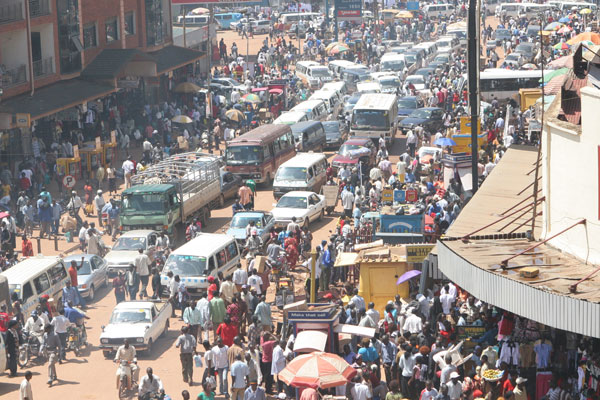
If you’ve ever been stuck on Kampala Road at 5 PM on a Friday, you already know — Kampala traffic is a world of its own. It’s loud, unpredictable, and at times, completely baffling. Between the boda bodas weaving through every gap, matatus (taxis) stopping without warning, lorries blocking entire lanes, and pedestrians crossing wherever they please, driving in Uganda’s capital demands a very particular set of skills.
Whether you’re a seasoned matatu driver who’s done the Kampala–Ntinda route a thousand times, or a private car owner braving the city for the first time, this guide is for you. These are real, practical, field-tested tips drawn from the realities of Kampala’s streets — not a textbook driving manual.
Let’s get into it.
Understanding Kampala’s Traffic: Know What You’re Dealing With
Before you can survive Kampala traffic, you need to understand why it is the way it is.
Kampala is a city built on seven hills — and those hills were never quite designed for the volume of traffic the city now carries. The road network has struggled to keep up with explosive population growth, which means narrow roads are being used by far more vehicles than they were ever intended to handle.
The key trouble spots every driver in Kampala knows by name: Kampala Road, Entebbe Road, Bombo Road, Jinja Road, Nakasero, Wandegeya, Kalerwe, Owino, and Old Taxi Park. These are the arteries of the city — and they’re almost always congested during peak hours (7–9 AM and 4–7 PM on weekdays, and Saturday mornings).
The Kampala traffic mix includes:
- Private cars
- Matatus (route taxis and minibuses)
- Boda bodas (motorcycle taxis)
- Bodas carrying impossible loads
- Lorries and trucks serving the industrial areas
- Pedestrians, street vendors, and market goers
- The occasional stray goat or cow (yes, this still happens)
Knowing this, your goal isn’t to beat the traffic — it’s to move through it safely and efficiently.
Tip #1: Master Defensive Driving — It’s Not Optional in Kampala
Defensive driving is the single most important skill for any Kampala road user. In a city where traffic rules are treated more as suggestions than laws, you cannot assume that other drivers will behave predictably.
What defensive driving looks like in Kampala:
- Assume the boda will cut in front of you. They almost always will. Maintain enough following distance so that when a motorcycle squeezes into your lane — which they will — you’re not forced to brake hard.
- Watch the gaps, not just the car in front. Kampala drivers, especially matatu drivers, read the road in layers. They’re not just watching the vehicle directly ahead; they’re watching three vehicles ahead and calculating the next gap. Develop this same habit.
- Anticipate matatu stops. Matatus stop anywhere — not just at designated stages. If you see a matatu slow down slightly or its conductor leaning out, it’s about to stop. Give yourself reaction time.
- Keep your eyes moving. A fixed gaze in Kampala traffic is dangerous. Constantly scan your mirrors, your blind spots, and the pedestrian areas on either side.
For more expert driving advice tailored to Uganda’s roads, automag.ug is an excellent resource packed with driving tips, road safety guides, and automotive news written specifically for Ugandan drivers.
Tip #2: Time Your Trips Strategically
This sounds obvious, but you’d be amazed how many people ignore it. In Kampala, when you drive matters just as much as how you drive.
Peak traffic hours to avoid if possible:
- 7:00 AM – 9:00 AM — Morning rush. Schools, offices, and markets all kick off at the same time.
- 4:00 PM – 7:00 PM — Evening rush. The worst of it is usually between 5 PM and 6:30 PM.
- Saturday mornings — Market day. Kalerwe, Nakasero, Owino, and other markets draw enormous crowds and vehicle congestion.
- After heavy rain — Flooding at spots like Nakulabye, Kyebando, and Bwaise can bring traffic to a complete standstill.
Best times to drive:
- Before 7 AM (the city is remarkably calm)
- Between 10 AM and 3 PM on weekdays
- Sunday mornings — Kampala is at its most peaceful
If your route and schedule allow it, shifting your departure by just 30 minutes can cut your travel time in half. Matatu drivers who have mastered Kampala know this intuitively.
Tip #3: Know Your Alternative Routes
Every experienced Kampala driver has a mental map of shortcuts and backroads that bypass the worst congestion. These aren’t secret — they’re just underused. Here are a few worth knowing:
- Entebbe Road congestion? The Munyonyo–Buziga–Muyenga route can sometimes offer relief, especially heading south.
- Bombo Road stuck? Try cutting through Bwaise or using the Gayaza Road–Kasangati junction approach.
- Jinja Road backed up? The Portbell Road–Luzira route offers an alternative if you’re heading east.
- Old Taxi Park area? Avoid it entirely during peak hours unless you absolutely must go there. The surrounding streets like Ben Kiwanuka and Nakivubo can sometimes move faster.
Keep the Google Maps Uganda app on your phone and use it to check traffic before you leave — it’s not perfect for Kampala, but it’s improved significantly in recent years. Local WhatsApp groups for specific routes are also a goldmine for real-time traffic updates.
Tip #4: Vehicle Maintenance Is Non-Negotiable
Here’s something Kampala traffic will expose mercilessly — a poorly maintained vehicle. Stop-start traffic, potholed side roads, and the constant low-speed crawling of city driving puts enormous strain on your car. Breakdowns in Kampala traffic don’t just inconvenience you; they create dangerous situations and can add hours to everyone else’s commute.
Essential maintenance checks for Kampala driving:
Brakes
Constant stop-start driving wears brake pads faster than highway driving. Get your brake pads, discs, and brake fluid checked every 10,000 km or sooner if you feel any vibration, grinding, or softness in the pedal.
Coolant and Radiator
Overheating is one of the most common Kampala traffic problems. Low-speed city driving doesn’t generate the airflow that keeps your radiator cool the way highway driving does. Check your coolant level weekly and ensure your radiator and cooling fan are in good working order.
Tyres
Kampala’s roads — especially the side streets and estates — are brutal on tyres. Potholes, broken tarmac, and drainage ditches mean tyre sidewall damage is common. Check your tyre pressure regularly (at least once a week), inspect for cuts or bubbles, and never drive on a spare longer than necessary.
Engine Oil
City traffic runs your engine at low speeds but high temperatures. Change your engine oil at the manufacturer-recommended intervals — or more frequently if you’re doing heavy city driving. Dirty oil in a hot, stop-start engine is a recipe for long-term engine damage.
Battery
Frequent short trips with lots of electrical load (AC, headlights, phone charging) are hard on your car battery. Have it tested every 12–18 months, especially if your car is more than 3 years old.
Tip #5: Managing Road Rage — Yours and Everyone Else’s
Kampala traffic will test your patience. There will be moments when a boda dents your bumper and rides off, a matatu cuts you off at a roundabout, or a driver stops completely to have a phone conversation in the middle of the road.
How to stay calm and safe:
- Don’t engage aggressively. Confrontations on Kampala roads rarely end well. If another driver behaves badly, let it go. Your safety matters more than proving a point.
- Use your horn sparingly. Kampala is a noisy city and incessant hooting achieves very little. Use your horn to signal your presence, not to express frustration.
- Don’t make eye contact to challenge. Making hard eye contact with an aggressive driver can escalate a situation unnecessarily.
- Give matatu drivers space. They know their routes well and are often under pressure to fill their vehicle and make money. Giving them room is safer than competing with them.
Tip #6: Roundabout Rules — Kampala’s Unofficial Code
Kampala has many roundabouts, and understanding how they actually function in practice (as opposed to how they’re supposed to function in theory) is crucial.
In theory, vehicles already on the roundabout have right of way. In practice, Kampala roundabouts operate on a confident-driver-wins basis. A few practical roundabout tips:
- Enter with confidence but not aggression. Hesitating at a roundabout in Kampala is dangerous — someone will always fill the gap you leave.
- Watch the large vehicles. Lorries and buses take wide lines and don’t always yield. Give them space.
- Signal your exit. Many Kampala drivers don’t, which creates confusion. Be the driver who does — it makes the roundabout safer for everyone.
- The Clock Tower, Jinja Road, and Nakivubo roundabouts are among the busiest. Approach them with extra patience during peak hours.
Tip #7: Driving in the Rain — Kampala’s Wet Season Survival Guide
Kampala receives rainfall in two seasons — March to May and October to November — though short rains can fall almost any month. Rain transforms Kampala’s roads completely.
Rain driving tips for Kampala:
- Slow down immediately. Kampala’s roads develop slippery surfaces very quickly when wet — particularly where oil, mud, and dust have accumulated.
- Avoid flooded sections. This cannot be stressed enough. What looks like a shallow puddle can be a 60 cm-deep pothole or a drain. If in doubt, find another route. Stalling in a flood can destroy your engine (hydrolocking) in seconds.
- Increase following distance. Wet roads dramatically increase stopping distances. Double the space between you and the car in front.
- Check your windscreen wipers before the rainy season. In Kampala’s dry months, wiper blades deteriorate from the heat and UV exposure. Weak wipers in heavy rain are a serious visibility hazard.
- Be extra alert for boda bodas. Motorcyclists are particularly vulnerable in the rain — they lose traction more easily and have poor visibility under helmets.
Tip #8: Fuel Management in Kampala Traffic
Stop-start city driving is notoriously fuel-hungry. Here’s how to manage your fuel consumption intelligently:
- Anticipate, don’t react. Smooth driving — easing off the accelerator early and coasting to a stop rather than braking hard — saves significant fuel.
- Avoid idling unnecessarily. If you’re stuck in a jam and not moving for more than 2 minutes, switching off your engine saves fuel. Modern fuel-injected cars restart instantly.
- Keep your tyres at the correct pressure. Under-inflated tyres increase rolling resistance and fuel consumption — a meaningful difference when you’re crawling through Kampala for an hour.
- Service your air filter. A clogged air filter forces your engine to work harder, burning more fuel. In Kampala’s dusty dry-season roads, air filters clog faster than usual.
If you’re thinking about reducing fuel costs long-term, the conversation around electric vehicles and hybrid cars is worth exploring. For drivers looking to explore sustainable mobility, EV24.africa offers import options for electric cars that could significantly cut your running costs in Kampala’s stop-start traffic — electric motors are actually most efficient at low speeds, making them uniquely suited to city driving.
Tip #9: Night Driving in Kampala — Extra Precautions
Kampala at night is a very different driving environment. Traffic is lighter, but new hazards emerge.
- Watch for pedestrians on unlit roads. Many areas outside the city centre have poor or no street lighting. Pedestrians, cyclists, and even boda bodas are much harder to see.
- Be alert for potholes. Without daylight, potholes are invisible until you’re on top of them. Drive at a pace that gives you time to react.
- Avoid parking in poorly lit areas. Vehicle security is a concern in some parts of Kampala. Park in well-lit, attended areas where possible.
- Check all your lights before a night drive — headlights, taillights, and indicators. A burnt-out taillight on an unlit Kampala road is a serious rear-end collision risk.
- Be extra cautious at unmanned junctions. At night, some drivers treat red lights as optional. Even on green, check both ways before proceeding.
Choosing the Right Vehicle for Kampala’s Roads
If you’re in the market for a car that can handle Kampala daily — whether as a private driver or a matatu operator — the right vehicle choice makes everything easier.
Key things to look for in a Kampala-ready vehicle:
- Good ground clearance — for the potholes and road humps that are everywhere
- Reliable brakes and suspension — for constant stop-start and rough surfaces
- Fuel efficiency — to manage the cost of city driving
- Durability and cheap spare parts availability — Toyota, Nissan, and Isuzu remain the most practical choices for this reason
For second-hand vehicles that have been proven on Uganda’s roads, auto24.ug is one of the best places to start your search. The platform lists quality second-hand cars with clear pricing — including popular options like the Toyota Wish, Nissan X-Trail, Toyota RAV4, and Honda Fit, all of which are commonly seen and well-supported in Kampala. For additional buying guides and vehicle reviews tailored to Ugandan conditions, carkibanda.com is a great companion resource, offering expert advice on the best cars for Uganda’s diverse road types.
Road Courtesy: Small Habits That Make a Big Difference
Kampala’s traffic situation isn’t going to change overnight. What can change is the culture on the roads — and it starts with individual drivers.
A few small habits that, if adopted widely, would make Kampala’s roads significantly safer and less stressful:
- Use your indicators. Always. Even when you think it’s obvious where you’re going.
- Don’t block junctions. If the traffic ahead isn’t moving, don’t enter the junction — even if your light is green. Blocking a junction stops traffic in all directions.
- Let pedestrians cross. Zebra crossings exist for a reason. Yielding to pedestrians costs you 10 seconds; ignoring them could cost someone their life.
- Keep left except to overtake. The right lane on a dual carriageway is for overtaking, not for crawling past everyone else.
- Don’t hoot at someone who’s already stuck. They’re not parked there for fun.
The Future of Kampala Traffic
The good news is that Kampala’s transport infrastructure is improving, slowly but surely. The Kampala Flyover Project at Clock Tower, road upgrades along key corridors, and discussions around Bus Rapid Transit (BRT) are all signs of progress. The proposed Kampala Metropolitan Area (KMA) transport master plan, if fully implemented, could transform how the city moves.
In the meantime, every driver — matatu or private — has a role to play in making Kampala’s roads safer, calmer, and more efficient. The tips above aren’t just about protecting yourself; they’re about being a better road user in a city that badly needs more of them.
For the latest updates on Kampala’s road conditions, traffic news, and automotive tips, keep automag.ug bookmarked — it’s the go-to platform for Uganda’s driving community.
Drive safe. Keep left. And give that boda some space.