Buying a used car in Uganda can be one of the best financial decisions you ever make — or one of the costliest. The difference often comes down to one thing: knowing how to spot fake or counterfeit parts before you hand over your money.
Uganda’s second-hand car market is vibrant and competitive. From the busy stalls of Kisekka Market in Kampala to the open-air garages of Ndeeba, Ntinda, and Nakawa, thousands of vehicle parts change hands every single day. Many of these are genuine, high-quality parts. But a significant number — and this is the honest truth that every buyer needs to hear — are counterfeit, substandard, or salvaged parts being passed off as new or original.
For an unsuspecting buyer, the consequences range from an annoying inconvenience (a part that fails within weeks) to a life-threatening one (brake pads that crumble on a descent or airbags that don’t deploy in a crash). This guide is here to help you avoid both.
Whether you’re inspecting a car at a bond yard, shopping at Kisekka, or buying from a private seller, these are the skills and knowledge you need to protect yourself.
Why Fake Parts Are Such a Big Problem in Uganda
Let’s start with the context. Uganda imports the vast majority of its vehicles — predominantly from Japan, the UAE, and to a growing extent, China and South Korea. Most of these are second-hand vehicles that arrive through Mombasa port before being trucked to Kampala and other regional centres.
The parts market follows a similar pattern: genuine OEM (Original Equipment Manufacturer) parts are available, but they’re often significantly more expensive than the alternatives. This price gap creates a strong commercial incentive to source and sell counterfeit parts — especially for high-demand items like brake pads, filters, belts, and shock absorbers.
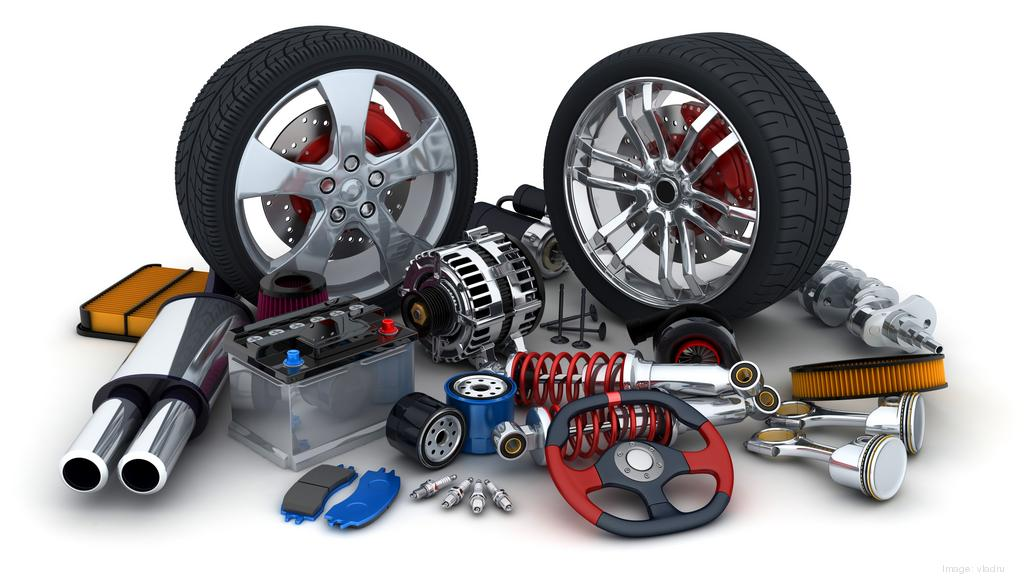
The most commonly counterfeited auto parts in Uganda’s market include:
- Brake pads and brake discs
- Oil filters and air filters
- Shock absorbers and struts
- Fan belts and timing belts/chains
- Headlight and taillight assemblies
- Batteries
- Engine gaskets and seals
- Spark plugs
These are also, not coincidentally, the parts that most affect vehicle safety and longevity. Understanding how to spot fakes in each category could literally save your life.
Red Flag #1: The Price Is Too Good to Be True
This is the most consistent warning sign in every category. Genuine OEM or quality aftermarket parts have a relatively predictable price range. When a part is offered at 40–60% below what you’d expect to pay at an established retailer, your suspicion should immediately be raised.
Here’s a quick reference for what genuine parts typically cost versus suspicious pricing:
- Brake pads (genuine Toyota): UGX 80,000–150,000 per axle set. If you’re being offered a set for UGX 25,000 “direct from Japan,” walk away.
- Oil filter (OEM or quality aftermarket): UGX 15,000–35,000. Anything under UGX 8,000 should be questioned.
- Shock absorber (quality brand like KYB or Monroe): UGX 150,000–300,000 per unit. UGX 50,000 “brand new” shocks are almost certainly fake or rebuilt.
- Timing belt (genuine): UGX 60,000–120,000. Suspiciously cheap timing belts can fail catastrophically, destroying your engine.
The rule is simple: if you don’t know the fair market price of a part before you go shopping, find out. Check prices at at least two or three established automotive shops before you buy anything significant.
For reliable automotive news, buying guides, and vehicle maintenance advice tailored to Uganda, automag.ug is an excellent resource that keeps you informed about what’s happening in Uganda’s automotive market — including alerts about counterfeit parts flooding local markets.
Red Flag #2: Poor Packaging and Missing Documentation
Genuine parts — whether OEM or quality aftermarket brands like Denso, NGK, KYB, Monroe, or Bosch — come in branded packaging that is consistent, professional, and detailed. Counterfeit parts almost always give themselves away through poor packaging.
What to look for on the packaging:
- Brand name spelling. Counterfeiters often make subtle misspellings. “Denzo” instead of “Denso.” “NGX” instead of “NGK.” “Toyoda” instead of “Toyota.” Always read the brand name carefully.
- Part number. Every genuine part has a manufacturer part number. Look it up online before buying — it should match the part for your specific vehicle model and year.
- Country of manufacture. Legitimate parts packaging clearly states where the part was made. Vague or absent country-of-origin labelling is a red flag.
- Hologram stickers. Many genuine parts manufacturers, especially in the Toyota and Denso ecosystem, use hologram authentication stickers. These are very hard to replicate convincingly.
- Barcode. Scan the barcode with your phone. If it doesn’t scan, or if it brings up a completely different product or nothing at all, be very suspicious.
- Weight and feel of the packaging. Genuine packaging is typically sturdy and well-printed. Counterfeit packaging is often flimsy, with blurry printing, incorrect fonts, or text that smudges when touched.
If a seller is offering a “genuine” part loose — with no packaging at all — and can’t explain where it came from, treat it as used or salvaged unless proven otherwise.
Red Flag #3: How the Part Looks and Feels
Beyond packaging, the physical quality of the part itself tells a story. Here’s how to inspect the most common parts:
Brake Pads
- Genuine brake pads have a consistent, dense friction material that feels solid and slightly rough when you press a fingernail into it.
- Counterfeit pads often use brittle, chalky compounds that can be scratched or crumbled easily. Run your thumb firmly across the friction surface — if it leaves a dusty or crumbly residue, that’s a serious warning sign.
- Check the metal backing plate: it should be smooth, uniform, and properly stamped. Cheap fakes often have rough, uneven, or poorly-finished backing plates.
- Genuine pads have a clearly legible friction material code stamped on the side (e.g., “FF” or “GG”). Counterfeits often omit this or stamp it poorly.
Oil Filters
- Hold the filter and shake it — you should feel the internal filtering material resisting movement slightly. A counterfeit filter may have very little or no internal filtration media.
- Genuine oil filters have a strong, anti-drain-back valve that creates resistance when you push on the threaded end. A fake filter often has no such valve or a flimsy one.
- Check the threading: it should be clean, sharp, and perfectly formed. Poor threading on an oil filter can cause it to fail to seal properly — leading to an oil leak or, worse, a catastrophic drop in oil pressure.
Shock Absorbers
- Genuine quality shock absorbers from brands like KYB or Monroe have clear, professional branding stamped or painted onto the body of the unit.
- The body should be smooth, evenly finished, and free of weld marks, rust spots, or paint inconsistencies.
- Compress the shock absorber slowly and release it. A good shock provides consistent resistance throughout the stroke and returns smoothly. A fake or worn shock will feel either loose and easy to compress or will return jerkily.
- Check the mounting hardware included: genuine shocks come with appropriate hardware. Counterfeits often include generic bolts and brackets that may not fit correctly.
Fan Belts and Timing Belts
- Genuine timing and fan belts are clearly branded and have part numbers moulded directly into the belt material — not just printed on packaging.
- Squeeze the belt firmly: it should be dense, slightly flexible but not overly so, and resilient. A counterfeit belt often feels either too stiff (brittle) or too soft (cheap rubber compound).
- Look for cracking on the inner surface — even tiny hairline cracks in a “new” belt indicate old or substandard rubber.
- The teeth on a timing belt should be precisely formed, evenly spaced, and clean. Poorly formed or uneven teeth indicate a counterfeit.
Spark Plugs
- NGK and Denso dominate Uganda’s market and both have well-known, distinctive packaging.
- Check the ceramic insulator: on genuine plugs, it’s pristine white or cream, perfectly formed, and smooth. Counterfeit plugs often have discolouration, rough surface finish, or visible moulding imperfections.
- The electrode should be precisely formed and centred. On cheap fakes, it’s often slightly off-centre or poorly finished.
- Genuine spark plugs have a laser-etched or clearly stamped part number on the hex. Counterfeits often skip this or use very shallow, hard-to-read stamping.
Red Flag #4: The Seller Can’t Answer Basic Questions
A legitimate parts dealer knows their stock. They can tell you the brand, the part number, where it was sourced, and which vehicle models it fits. If a seller becomes vague, defensive, or evasive when you ask straightforward questions about a part, that tells you something important.
Questions every legitimate parts seller should be able to answer:
- “What brand is this, and where was it made?”
- “What’s the part number, and which vehicles does it fit?”
- “Do you have a warranty or return policy if the part is defective?”
- “Can you show me the original packaging?”
A seller who responds to these questions with “trust me, it’s genuine” or “just look at it, it’s the same thing” — without evidence — is not a seller you should be buying safety-critical parts from.
Red Flag #5: Salvaged or Re-packaged Used Parts
One of the most sophisticated and common scams in Uganda’s parts market involves salvaged parts — taken from written-off or scrapped vehicles — being cleaned up, re-packaged, and sold as new.
This is especially common with:
- Alternators and starters — cleaned and repainted, often indistinguishable without close inspection
- Brake discs — resurfaced or machined to look fresh, but still below minimum thickness
- Headlight assemblies — re-sealed and re-boxed after being stripped from damaged vehicles
- ECU modules and electronic components — virtually impossible to identify as used without specialist equipment
How to spot salvaged parts:
- Look for tool marks on bolts and fasteners — signs the part has been removed from a vehicle.
- Check for traces of old gasket material, grease, or dirt in recesses and corners that wouldn’t be present on a truly new part.
- Look for micro-scratches or wear patterns on surfaces that contact other components — brake discs, for example, should show absolutely no circular wear patterns if genuinely new.
- For electrical components, check connector pins for signs of oxidation or previous connection wear.
How to Buy Smart: Building Your Pre-Purchase Checklist
Now that you know what to watch for, here’s a practical step-by-step approach to buying used car parts — or a used car — in Uganda’s market.
Step 1: Research Before You Shop
Know the fair market price and the correct part number for whatever you’re buying before you enter the market. This takes 10 minutes online and will protect you from almost every pricing scam.
Step 2: Buy from Established Dealers
Reputable dealers have reputations to protect. In Kampala, established shops in Nakawa Industrial Area, Ntinda, and along Jinja Road tend to stock more reliable inventory than open-market stalls. Ask other car owners and mechanics for recommendations.
Step 3: Use a Trusted Mechanic as Your Inspector
If you’re buying a used vehicle and want to know whether it’s been fitted with fake or substandard parts, bring an independent mechanic — one who has no relationship with the seller. Pay for their time; it’s worth every shilling.
Step 4: Ask for a Receipt and Warranty
Always ask for a written receipt that includes the part name, brand, part number, and price. Any legitimate dealer should provide this without hesitation. A receipt also gives you recourse if the part fails.
Step 5: Check for Manufacturer Authentication Online
Many major parts manufacturers — including Toyota, Denso, NGK, Bosch, and KYB — have online authentication systems. You can enter the serial number or scan the QR code on genuine parts to verify authenticity. Make this a habit for any high-value part.
Buying a Used Car in Uganda: The Whole-Car Inspection
If you’re buying a complete used vehicle — not just individual parts — the same principles apply at a much larger scale. A poorly maintained vehicle fitted with fake parts across multiple systems is a serious safety risk and a financial trap.
Key areas to inspect on any used car in Uganda:
- Under the bonnet: Look for mismatched components, aftermarket parts where OEM parts should be, and any signs of recent spray-painting (which can indicate accident repair or hidden corrosion).
- Brake system: Ask to see the brake pads and discs if possible. Unusually thin pads or heavily grooved discs should raise immediate questions.
- Suspension: Push down firmly on each corner of the vehicle and release. The car should rebound once and settle. Multiple bounces indicate worn or fake shock absorbers.
- Tyres: Check tread depth, sidewall condition, and whether all four tyres are the same brand and size. Mismatched tyres on a used car often signal a history of neglect.
- Electrical system: Test every light, the air conditioning, the central locking, the windows, and the infotainment system. Electrical faults that were created by cheap or wrong-spec components are expensive to trace and fix.
- VIN verification: Every vehicle has a Vehicle Identification Number (VIN) stamped in at least two or three locations — on the dashboard (visible through the windscreen), on the door jamb, and on the chassis. These must all match. A mismatch is a very serious red flag.
For buyers looking to avoid the stress of private market inspections, platforms like auto24.ug offer a vetted selection of second-hand vehicles in Uganda, with transparent pricing and documented histories. You’ll find popular and proven models like the Toyota Premio, Subaru Forester, Nissan Note, and Toyota Prado — vehicles with strong parts availability and service networks across Uganda, reducing your exposure to the counterfeit parts risk from day one.
Trusted Brands vs. Common Fakes: A Quick Reference
Here’s a quick guide to the most commonly counterfeited brands in Uganda’s market and what makes their genuine products identifiable:
| Brand | What They Make | Key Authenticity Check |
| NGK | Spark plugs, sensors | Laser-etched part number; sealed box with QR code |
| Denso | Filters, ignition, AC | Hologram sticker; precise moulding on parts |
| KYB | Shock absorbers | Stamped logo on body; consistent yellow/black branding |
| Monroe | Shock absorbers | Branded packaging with part number; consistent weight |
| Bosch | Filters, electrical, brakes | QR authentication; distinctive blue/silver packaging |
| Toyota Genuine Parts | All Toyota components | Hologram on packaging; online VIN-linked verification |
Where to Buy: Trusted Sources in Uganda
Finding genuine parts is much easier when you know where to look:
- Authorised dealer parts departments — Toyota Uganda, Nissan Uganda, and other authorised dealers stock genuine OEM parts. They’re more expensive but come with warranties and authenticity guarantees.
- Established independent importers — Some well-regarded independent dealers in Kampala import directly from Japan and have been operating for many years. Ask for references from other car owners.
- Online platforms with verified sellers — The growth of online vehicle marketplaces in Uganda means you can increasingly find verified parts sellers and read reviews before buying.
For the latest news on where to buy reliably and what to watch for in Uganda’s automotive parts market, carkibanda.com is a valuable resource, combining automotive news, expert reviews, and a car purchasing platform all in one place — tailored specifically for Ugandan drivers.
A Note on Electric Vehicle Parts
The conversation around counterfeit parts isn’t limited to conventional vehicles. As electric vehicles (EVs) begin to make inroads in Uganda’s market, a new category of potentially fake components is emerging — from EV charging cables and connectors to battery management system components.
If you’re exploring the switch to an electric vehicle, buying from a reputable importer is even more important. For drivers looking to explore sustainable mobility, EV24.africa offers import options for electric cars with full documentation and manufacturer traceability, expanding choices for Ugandan buyers who want to go electric without the risk of substandard components that are increasingly appearing in the market.
Quick-Reference: Your Anti-Fake Parts Checklist
Before you buy any used part or used vehicle in Uganda, run through this checklist:
- Have I researched the fair market price for this part?
- Does the packaging look professional, with correct spelling and a part number?
- Does the brand name match exactly (no subtle misspellings)?
- Is there a hologram or QR authentication code I can verify?
- Does the physical part look and feel consistent with genuine quality?
- Can the seller answer basic questions about brand, origin, and compatibility?
- Have I checked for tool marks, wear, or residue that would indicate it’s salvaged?
- Did I get a written receipt with the part number and seller’s details?
- For a whole vehicle — have I checked that all VIN numbers match?
- Have I had an independent mechanic inspect the vehicle or parts?
Ten ticks on that checklist means you’ve done your due diligence. Anything less, and you’re taking a risk.
Final Thoughts: Knowledge Is Your Best Protection
Uganda’s second-hand vehicle market has enormous value for buyers on every budget. The goal of this guide isn’t to scare you away from it — it’s to arm you with the knowledge to navigate it confidently.
The counterfeit parts trade survives because buyers don’t know what to look for. The more educated Uganda’s car-buying community becomes, the harder it is for fake parts sellers to operate. Share this guide with anyone you know who’s buying a car or heading to Kisekka Market — it might save them from a very expensive or very dangerous mistake.
For ongoing automotive guidance, vehicle reviews, and road safety tips specific to Uganda, keep automag.ug bookmarked. It’s the kind of resource that pays for itself in the knowledge it gives you — for free.
Buy smart. Inspect thoroughly. Drive safely.