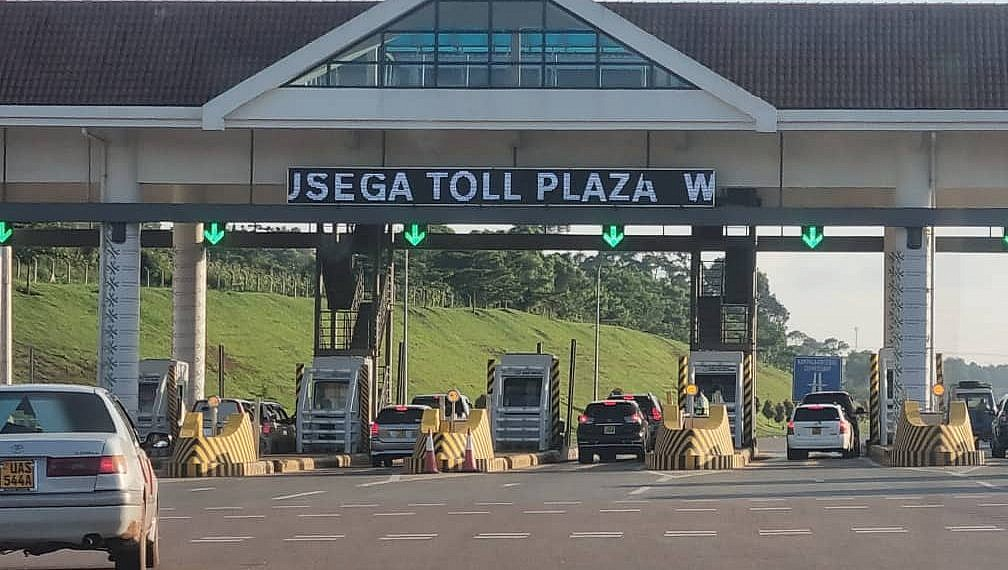
Discover the best routes to avoid Kampala traffic, with practical alternatives, peak-hour advice, and safer ways to reach Entebbe, Jinja, and nearby areas.
Best routes to avoid Kampala’s worst traffic
Kampala traffic can turn a short trip into a slow-moving test of patience, especially during the morning and evening rush. Common trouble spots include Jinja Road, Kireka, Bwaise, Clock Tower, Entebbe Road, and the Kampala–Masaka corridor. Weekday congestion is generally heaviest between about 7:00 and 9:30 in the morning and 5:00 and 8:00 in the evening.
The good news is that you do not always have to sit in the same jam every day. With a little planning, drivers can use the Northern Bypass, Kampala–Entebbe Expressway, Lugogo Bypass, Gayaza routes and smaller city connections to avoid the worst bottlenecks.
These alternatives are not magic shortcuts. They can also become busy, particularly when rain, roadworks or a crash blocks the main route. Think of them as options to compare before leaving, not guaranteed empty roads.
What are the best routes to avoid Kampala traffic?
The best alternative depends on where you are starting, where you are going and what traffic looks like at that moment.
| Journey | Route to consider | Main benefit |
| Entebbe to Kampala | Kampala–Entebbe Expressway | Avoids much of old Entebbe Road |
| Busega to northern Kampala | Northern Bypass | Avoids central Kampala |
| Nakawa to the city centre | Lugogo Bypass and Kololo connections | Reduces dependence on Jinja Road |
| Kawempe to Rubaga | Northern Bypass via Masanafu and Hoima Road | Avoids Bwaise Roundabout |
| Jinja Road to Ntinda | Lugogo Bypass and Bukoto connections | Avoids some Nakawa–Lugogo congestion |
| Masaka Road disruption | Mpigi–Kanoni–Gomba–Sembabule route | Alternative for longer western journeys |
| Entebbe-side disruption | Mpigi–Kasanje–Nakawuka route | Can provide access towards Entebbe |
Always check live traffic and road notices before choosing a diversion. KCCA has advised motorists to plan journeys, use alternative routes and follow traffic police and traffic marshals during periods of road rehabilitation.
1. Use the Northern Bypass for cross-city journeys
The Northern Bypass is usually the most useful option for drivers who need to move between western, northern and eastern Kampala without passing through the city centre.
It runs between Busega in the west and Bweyogerere in the east, linking areas such as Namungoona, Bwaise, Kisaasi, Ntinda and Kyambogo.
Best for
- Busega to Kisaasi.
- Rubaga to Ntinda.
- Entebbe Expressway connections to northern Kampala.
- Drivers heading towards Kira, Bweyogerere and the eastern suburbs.
Watch out for
- Busega interchange.
- Bwaise and connecting roads.
- Kisaasi and Naalya traffic.
- Merging vehicles and lane changes.
- Heavy trucks and broken-down vehicles.
The Namungoona–Bwaise section reopened after repair works in July 2026 following months of disruption. The rehabilitation addressed damaged surfaces and weak road sections linked to heavy traffic and swampy ground.
Even after the reopening, reduce speed around lane changes and temporary work areas. The bypass can save time, but it is not an excuse to drive aggressively.
2. Choose the Kampala–Entebbe Expressway
For travel between Entebbe, Kajjansi, Lubowa, Busega and central Kampala, the Kampala–Entebbe Expressway can be a useful alternative to old Entebbe Road.
It is especially helpful when traffic is crawling around Kajjansi, Zana, Busega or Kibuye. The expressway has a toll charge, so drivers should weigh the cost against the time and fuel lost while idling in traffic.
A previous driving guide listed a UGX 5,000 toll for light vehicles, but confirm the current toll tariff before publication because charges can change.
Best for
- Entebbe Airport trips.
- Kajjansi to Busega.
- Travelling during peak periods.
- Drivers carrying passengers who need a more predictable arrival time.
Driving tips
- Confirm you have an accepted payment method before joining.
- Check your fuel level before entering.
- Keep to the correct lane near exits.
- Do not stop on the expressway except in an emergency.
- Follow the posted speed and lane instructions.
The expressway is not always faster if there is congestion at the Busega end. Check the final approach before choosing it.
3. Avoid Jinja Road through Lugogo Bypass
Jinja Road between Lugogo and Nakawa is one of Kampala’s most familiar traffic headaches. It carries commuters, taxis, trucks, shopping traffic and vehicles travelling towards Mukono and the east.
Drivers heading from Nakawa or the eastern suburbs towards the city centre can consider Lugogo Bypass and connections through Kololo, Bukoto or Yusuf Lule Road, depending on the destination.
Example route
Nakawa → Lugogo Bypass → Upper Kololo Terrace → Yusuf Lule Road → city centre
This route may not suit every destination, and it can become busy near shopping centres, schools and junctions. It works best when the problem is concentrated on Jinja Road rather than across the entire central area.
Drive carefully
Kololo and nearby residential roads are not built to absorb unlimited diverted traffic. Keep speeds low, avoid blocking driveways and respect one-way systems. A route that saves ten minutes should not create problems for residents or pedestrians.
4. Use Gayaza Road for northern destinations
Drivers travelling towards Gayaza, Kira, Namugongo or parts of northern Wakiso may find Gayaza Road useful when Bombo Road, Kalerwe or central routes are heavily congested.
The route is not a universal shortcut. Narrow sections, roadside trading centres, pedestrians, boda bodas and heavy rain can slow traffic. It is better for drivers whose destination is already in the north than for someone trying to cross the entire city.
Best for
- Gayaza-bound trips.
- Some journeys towards Kira and northern Wakiso.
- Avoiding central Kampala when travelling from the east or northeast.
Before leaving, compare Gayaza Road with the Northern Bypass. If the bypass is flowing, it may remain the safer and more comfortable choice.
5. Take the Bukoto–Kisaasi connection
For short trips between Ntinda, Bukoto, Kisaasi and surrounding neighbourhoods, local links may be more practical than joining a major highway.
A driver going from Ntinda to Kisaasi, for example, may avoid part of Jinja Road by using connecting roads through Bukoto. However, these roads can be narrow and busy, and navigation apps may sometimes direct vehicles into unsuitable residential lanes.
Use them only when:
- The road is open to through traffic.
- You can follow the signs.
- You are not blocking local access.
- The vehicle can comfortably handle the road surface.
- You have checked for temporary closures.
Do not turn a residential lane into a high-speed shortcut. Kampala’s smaller roads often have pedestrians, schoolchildren and parked vehicles close to the carriageway.
6. Avoid Bwaise by using Masanafu and Hoima Road
Bwaise is a common congestion point, particularly when rain causes flooding or when vehicles merge around the interchange. Drivers travelling between Kawempe, Rubaga and western Kampala can consider a route through Masanafu towards Hoima Road.
A possible connection is:
Kawempe → Masanafu → Hoima Road → Rubaga or western suburbs
The route depends heavily on the exact destination and current road condition. Some sections may be narrower or rougher than the main bypass.
Rain deserves special attention. Water can hide potholes, reduce braking grip and make the shoulder unstable. If the weather is severe, the “shortcut” may take longer than the original route.
7. What can drivers use during Masaka Road delays?
When the Kampala–Masaka highway is blocked around Mpigi or Katonga, motorists travelling west may need a longer alternative rather than a small city diversion.
Suggested alternatives have included:
- Mpigi → Kanoni → Gomba → Sembabule for traffic heading towards Masaka and the southwest.
- Mpigi → Kasanje → Nakawuka → Entebbe/Kampala for some traffic heading towards the capital.
- A connection involving the Nakiwogo ferry for selected journeys towards Entebbe.newvision.co+1
These are not direct replacements for the main highway. They may add distance and require more careful planning, especially at night or during wet weather.
Before taking the route, confirm:
- Whether the ferry is operating.
- The condition of the road ahead.
- Fuel availability.
- Mobile-network coverage.
- Whether your vehicle has a suitable spare wheel and recovery equipment.
Do not enter an unfamiliar rural diversion with an almost empty tank.
How can you avoid traffic without taking risky shortcuts?
Changing route is only one part of the solution. Timing often makes a bigger difference.
Leave before the rush
If possible, travel before 7:00 in the morning. The best window varies by neighbourhood, but early departures usually reduce exposure to school traffic, commuter traffic and loading activity.
For evening trips, leaving before the main 5:00–8:00 pm rush can help. If you cannot leave early, consider staying at your workplace or a safe public location until the worst congestion reduces.
Avoid unnecessary city-centre crossings
Kampala’s roads are arranged around several busy corridors. A trip from one suburb to another may be quicker if you travel around the city instead of cutting through the centre.
For example, a driver moving from Busega to Kisaasi should first compare the Northern Bypass with a route through central Kampala.
Use traffic apps properly
Check live traffic before starting. If you are driving, let a passenger operate the phone or pull over safely before changing your route.
Do not follow an app blindly. It may send you through a narrow road, a private access road, a flooded section or a route that is technically shorter but much slower in real conditions.
How should you drive on alternative roads?
Alternative routes often carry more mixed traffic than the main roads. Expect boda bodas, pedestrians, schoolchildren, roadside vendors, cyclists, taxis and parked vehicles.
Use these habits:
- Slow down before junctions and trading centres.
- Leave space for motorcycles to move safely.
- Do not overtake near blind corners.
- Use indicators early.
- Keep headlights and windscreens clean during rain.
- Avoid driving through water of unknown depth.
- Do not stop in a live lane to check directions.
- Watch for speed humps that may not be clearly painted.
- Keep the fuel tank above half on longer diversions.
- Carry a warning triangle, jack and serviceable spare tyre.
A shortcut is useful only if it gets you there safely and without damaging the car.
Which car is best for Kampala’s traffic?
You do not need a large SUV to navigate Kampala. A well-maintained Toyota, Nissan, Honda or other compact car can handle most paved urban routes.
Prioritise:
- Good brakes.
- Healthy cooling system.
- Reliable air conditioning.
- Strong battery.
- Properly inflated tyres.
- Working wipers and lights.
- Suspension that can handle potholes and speed humps.
A small car may be easier to manoeuvre and park, while an SUV offers more clearance on rough diversions. Condition matters more than size.
For drivers comparing second-hand cars for Kampala commuting, AUTO24.ug is a place to browse used vehicles suited to city driving and longer journeys.
Those exploring cleaner urban transport can also look at electric-car and sustainable-mobility options through EV24.africa. However, an EV buyer should consider charging access, upfront price and servicing support before making a decision.
For more local motoring updates, route advice and road-related stories, visit AutoMag Uganda.
Final advice for Kampala drivers
The best routes to avoid Kampala’s worst traffic change with the time, weather and destination. The Northern Bypass is useful for cross-city trips, the Kampala–Entebbe Expressway can help during old Entebbe Road congestion, and Lugogo Bypass or Gayaza Road may work for selected eastern and northern journeys.
There is no perfect shortcut every day. Check traffic before leaving, keep the car roadworthy and use diversions with patience. Kampala traffic rewards preparation more than bravery.