Should Ugandan riders switch to an electric boda boda in 2026? Compare fuel savings, battery swapping, costs, charging, servicing and resale value.
Is switching to an electric boda boda worth it in 2026?
The electric boda boda is no longer just a Kampala roadside talking point. In 2026, riders can see electric motorcycles being promoted through financing schemes, battery-swapping stations and partnerships with boda boda organisations. The big question is simple: is switching to an electric boda boda actually worth it for a Ugandan rider?
The answer depends on your route, daily distance, access to battery swaps and how you finance the motorcycle. An electric boda can reduce exposure to petrol prices and may require less routine maintenance, but the deal is not automatically good for everyone. Battery access, contract terms, resale value and support outside Kampala still matter.
Is switching to an electric boda boda worth it?
For many urban riders, switching can make financial sense if the bike is used heavily and the battery-swap network is convenient. A rider who spends most of the day within Kampala and can swap quickly may benefit more than someone who operates in a town where stations are still limited.
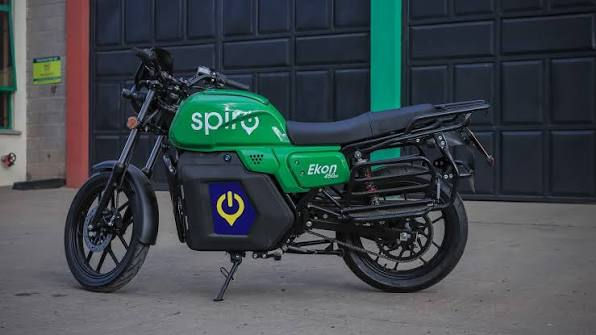
Several 2026 programmes have brought the issue closer to the boda stage. Union and Spiro announced plans to deploy 50,000 electric motorcycles across Greater Kampala by June 2026, supported by more than 500 battery-swapping stations.
That is an ambitious target, not a guarantee that every rider will immediately find a station near home or along every route. Before signing up, a rider should check the actual operating stations in the area where they work.
The short answer
An electric boda boda may be worth it if:
- You ride many kilometres each day.
- Your main routes are covered by battery-swapping stations.
- The repayment plan is clear and affordable.
- The provider has reliable local service and spare parts.
- You plan to keep the motorcycle long enough to benefit from lower running costs.
It may not be worth it if:
- You work mainly in an area without dependable battery support.
- You frequently travel far beyond the available network.
- The contract gives you unclear ownership rights.
- You are buying mainly because of a headline promise about savings.
- You cannot afford downtime if the bike or battery develops a problem.
How much can an electric boda save on fuel?
The main attraction is the change from buying petrol every day to paying for electricity or a battery swap.
One report on the Spiro programme stated that a rider could spend about Shs25,000–40,000 per day on petrol, compared with a reported battery-swapping fee of Shs8,400. The same report said one swap could provide up to 100 kilometres of range.
These figures should be treated as programme-specific claims rather than a guaranteed saving for every motorcycle. Actual costs will depend on the model, rider behaviour, passenger loads, road conditions, battery condition and the provider’s current tariff.
Still, the basic idea is easy to understand. A busy rider who previously bought petrol several times a week may spend less on energy after switching, particularly when most trips are within an urban area.
Before calculating your savings, write down:
- Your average daily kilometres.
- Your normal daily petrol spending.
- The cost of each battery swap or charge.
- Any daily or weekly platform fees.
- Loan instalments and insurance.
- The cost of travelling to a swap station.
A motorcycle that saves on energy but keeps you waiting in a long swap queue may not deliver the savings you expected.
What are the advantages of an electric boda boda?
Lower exposure to petrol prices
Petrol prices can quickly affect a rider’s daily earnings. When fuel costs rise, the rider either keeps less money or increases fares and risks losing customers.
Electric mobility does not remove all operating costs, but it can make energy spending more predictable when the provider offers a fixed swap or charging price.
Less routine mechanical maintenance
Electric motorcycles generally have fewer moving drivetrain parts than petrol motorcycles. They do not need engine oil changes, spark plugs or many of the engine-related services required by a conventional motorcycle.
That does not mean an electric boda is maintenance-free. Riders still need to inspect tyres, brakes, bearings, suspension, lights and the final-drive system. Dust, potholes, heavy rain and overloaded luggage can damage these parts just as they can on a petrol bike.
Quieter and cleaner operation
An electric boda produces no tailpipe exhaust while operating. That can make a noticeable difference on busy Kampala streets, where riders spend long hours surrounded by traffic fumes.
The bike is also quieter, which may be more comfortable for the rider and passenger. However, silent operation means riders must be extra careful around pedestrians, especially in busy trading centres and residential areas.
Financing may reduce the upfront barrier
Some programmes are using asset financing or “use and pay” models instead of asking riders to pay the full purchase price at once. A March 2026 report said prospective riders in one programme needed an initial commitment of Shs120,000, with further access conditions involving boda boda union recommendations.
That initial amount is not the full cost of ownership. Ask for the complete repayment schedule, total amount payable, penalties, insurance requirements and the conditions for owning the motorcycle at the end of the contract.
What are the disadvantages?
Battery swapping is not the same as free charging
An electric boda still needs energy. The difference is that the rider may receive it through a swap station rather than a petrol station.
If the network is busy, closed or far away, the rider may lose valuable working time. A rider should also ask what happens during power interruptions, station maintenance or battery shortages.
Range depends on real working conditions
A claimed range is normally measured under particular conditions. Carrying a passenger, climbing hills, riding aggressively, using lights and travelling on rough roads can reduce the distance available from a battery.
Do not plan your work around the maximum advertised range. Ask existing riders about their real-world experience on the routes you use.
Upfront cost and import taxes remain important
Uganda reinstated a 25% import duty on fully built electric vehicles, including electric motorcycles, according to AutoMag’s 2026 explanation of the current rules. Fully built EVs may also attract VAT, withholding tax and an infrastructure levy, while locally manufactured or assembled vehicles and components can receive different treatment.
This matters because the final cost of an electric motorcycle depends on whether it is imported fully built, assembled locally or supplied through a financing and battery-swapping programme.
Servicing outside Kampala may be difficult
A petrol motorcycle can be repaired by many mechanics using commonly available tools and parts. Electric motorcycles may need trained technicians, diagnostic equipment, controller replacements or battery specialists.
If you operate in Jinja, Masaka, Gulu, Mbarara or a smaller town, confirm where the nearest authorised service point is before buying.
What about battery life and replacement cost?
The battery is one of the most important parts of an electric boda. It also represents a major financial risk if replacement terms are unclear.
Ask these questions before signing:
- Is the battery included in the purchase price?
- Does the company own the battery?
- Is the rider paying for battery use separately?
- What warranty covers battery capacity?
- Who pays if a battery is damaged or stolen?
- What is the replacement cost after the warranty ends?
- Can the motorcycle use a battery from another provider?
- What happens if the company closes or changes its pricing?
Battery swapping can make ownership easier because the rider may not need to wait for a home charge. It can also mean that the rider depends on one company’s stations, batteries and payment system.
Do not judge the deal only by the motorcycle’s advertised instalment. Calculate the full cost of the bike, battery access and financing over the complete contract period.
Will an electric boda have good resale value?
The resale market is still developing, so electric boda resale value is less predictable than that of familiar petrol motorcycles.
A used Toyota or common petrol motorcycle benefits from a large pool of buyers and mechanics who know what they are purchasing. Electric motorcycles do not yet have the same depth of second-hand market. A buyer may worry about battery health, software, service access and the availability of replacement parts.
Resale value could improve as more riders adopt electric motorcycles and battery networks expand. But in 2026, buyers should not assume that an electric boda will retain value in the same way as a popular petrol model.
Keep the following documents:
- Original purchase or financing agreement.
- Service records.
- Battery inspection reports.
- Proof of battery payments or swaps.
- Accident and repair records.
- Registration and ownership documents.
A clear history will help when you eventually sell the motorcycle.
Is an electric boda cheaper than a petrol boda?
It can be cheaper to operate, but it is not automatically cheaper to own.
| Cost area | Electric boda | Petrol boda |
| Energy | Electricity or battery-swap fees | Petrol bought according to daily use |
| Engine service | No engine oil or spark-plug changes | Regular oil, filter and engine servicing |
| Battery | Central long-term cost or subscription issue | No traction battery |
| Repairs | May require specialist technicians | More mechanics and familiar parts |
| Refuelling | Swap or charge network required | Petrol stations are widely understood |
| Resale | Still developing | More established second-hand market |
| Noise and exhaust | No tailpipe exhaust and quieter operation | Engine noise and exhaust emissions |
The fairest comparison is not the purchase price. Compare total ownership cost over the period you expect to use the motorcycle.
For example, calculate:
Total cost=deposit+instalments+energy+maintenance+insurance+downtime\text{Total cost} = \text{deposit} + \text{instalments} + \text{energy} + \text{maintenance} + \text{insurance} + \text{downtime}Total cost=deposit+instalments+energy+maintenance+insurance+downtime
Then compare that figure with your current petrol motorcycle. Include lost income if a battery problem, unavailable swap station or service delay keeps the bike off the road.
What should a rider check before switching?
- Test the motorcycle on your real route. Ride it with a passenger, over speed humps, on slopes and on the rough sections you normally use.
- Locate working swap stations. Confirm opening hours, payment methods and whether the station regularly has charged batteries.
- Ask riders already using the model. They can tell you more about actual range, waiting time and faults than a sales brochure.
- Read the financing agreement. Check the total repayment, ownership date, late-payment penalties and repossession terms.
- Understand the battery arrangement. Confirm whether you own, rent or swap the battery.
- Check service coverage. Get the names and locations of authorised technicians in your town.
- Confirm warranty terms. Find out whether the warranty covers the motor, controller, battery, charger and frame.
- Budget for normal wear items. Electric does not protect tyres, brakes, chains, bearings or suspension from Uganda’s roads.
- Check legal and registration requirements. Make sure the motorcycle can be properly registered and used commercially.
- Compare daily income, not just fuel spending. A cheaper ride is only useful if the motorcycle remains available and productive during working hours.
Where can Ugandan riders learn more?
AutoMag Uganda covers local automotive news, reviews and practical driving advice at automag.ug. Its EV and import-duty coverage can help riders understand the policy and ownership issues behind the headlines.
For second-hand vehicle options, including cars that may suit a household moving towards lower-emission transport, visit AUTO24.ug.
For electric-car and electric-mobility import options across Africa, EV24.africa provides a useful place to explore available EV models and delivery options. Its Uganda-focused material also discusses the 25% duty on fully built EVs and incentives connected to local assembly.ev24
Final verdict
Switching to an electric boda boda can be worth it in 2026, especially for a high-mileage urban rider with reliable access to battery swapping and a transparent financing plan. The potential benefits include lower energy costs, less routine engine maintenance, quieter operation and reduced exhaust emissions.
But this is not a decision to make from a poster promising huge savings. Confirm the real swap cost, station coverage, battery terms, service support, financing total and expected resale value.
For a Kampala rider working near several active swap stations, an electric boda may become a practical business tool. For a rural rider or someone travelling beyond the network every day, a petrol motorcycle may still be the safer choice until support improves.