Uganda’s car market in 2026 is shifting fast — new import age limits, pricier used cars, electric buses in Kampala, and e-boda bodas. Here’s what’s changing.
Top Trends Shaping Uganda’s Car Market in 2026
Government is set to slash the maximum import age for used vehicles from 15 years to 13, and slap a 50% environmental levy on anything older, under tax proposals tabled for the 2026/27 financial year. If you’ve been putting off buying that used Premio or Land Cruiser, this is the year the ground shifted under Uganda’s car market — and it’s not the only thing moving. From tighter import rules to Kayoola electric buses now running real Kampala routes, here’s what’s actually changing on Uganda’s roads in 2026.
The Big One: Uganda’s Import Age Limit Is Getting Stricter
Uganda’s government plans to reduce the maximum allowable age for imported vehicles from 15 years to 13 years, while imposing steep environmental levies on older cars, as part of the Revenue Enhancement and Compliance measures for the 2026/27 financial year. Under the new structure, 13-year-old vehicles would attract the highest levy at 50%, followed by 12 years (40%), 11 years (30%), 10 years (20%), and 9 years (10%), with anything below nine years old exempt — a sharp departure from the flat 20% band currently in place.
The reaction has been predictably mixed. Hajji Mustapah Ssemulindde of Ssemu Motors estimates a basic saloon car could jump from around Shs20 million to Shs35–45 million, pricing out many first-time buyers, while Gilbert Wavamunno of Spear Motors welcomed the shift, arguing it removes polluting old cars and supports the push toward electric vehicle incentives. Given Uganda’s per capita GDP of roughly $1,206 as of 2025, affordability concerns aren’t abstract — this is the trend most Ugandan car buyers will feel directly in 2026 and 2027. For the full breakdown of what buyers need to know before importing under the current rules, automag.ug’s guide to Uganda’s used car import regulations is worth a read before you commit money.
Japanese Imports Still Dominate — And They’re Growing
Despite the looming tax changes, demand for Japanese used cars hasn’t slowed down. According to the Japan Used Motor Vehicle Exporters Association (JUMVEA), Uganda’s imports from Japan rose 40.8%, from 1,933 units in January 2025 to 2,723 units in January 2026. Drive through Kampala, Jinja, or Mbarara and the pattern is obvious — Toyota Premios, Toyota Passos, and Land Cruisers dominate the roads.
That demand is running headlong into the new levy structure. Vehicles between 9 and 13 years old would face environmental levies ranging from 10% to 50% under the proposed reforms, which means the sweet spot for budget-conscious buyers — the 8-to-12-year-old Japanese import — is about to get considerably more expensive. If you’re planning to import soon, always confirm the current age limit and levy bracket with URA before committing to a purchase, since the rules have moved twice in three years.
Kampala’s Electric Buses Are No Longer a Pilot Project
In May 2026, Uganda unveiled its first electric commuter bus service in Kampala, under Works and Transport Minister Edward Katumba Wamala, with the initial route connecting Ntinda and City Square via Kampala Road, forming part of a five-circuit plan for the Greater Kampala Metropolitan Area targeting 14 cities by 2030. The buses are built by state-linked Kiira Motors Corporation, through its subsidiary E-Bus Xpress.
This isn’t just a symbolic gesture. By June 2026, Kampala Capital City Authority engineers, mechanics, and traffic officers had visited Kiira’s manufacturing plant to assess its capacity for a larger mass transit rollout, including a proposed Bus Rapid Transit system, with eight electric buses already running in the city under the first phase. Kiira’s ambitions now stretch well beyond Uganda’s borders — the company secured a contract to supply 820 electric buses to South Africa in a deal expected to generate $250 million, following a successful 7,125-km expedition of the Kayoola E-Coach from Kampala to Cape Town. For a driver on Entebbe Road today, this trend means one thing: expect to see a lot more Kayoola buses sharing your lane over the next few years.
Electric Boda Bodas Are Quietly Taking Over the Two-Wheeler Trade
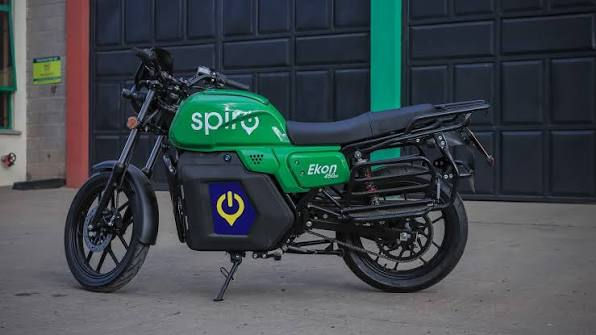
Uganda’s real electric mobility story right now isn’t cars or buses — it’s boda bodas. Zembo, one of the startups that kick-started the electric motorcycle taxi movement in Africa, was working toward over 2,000 active riders and more than 80 battery charging and swap stations by 2025, with its lithium iron phosphate batteries offering up to 80 km on a single charge at just UGX 6,000 per swap. Alongside Zembo, GOGO Electric (formerly Bodawerk) is manufacturing e-motorcycles and lithium-ion batteries locally in Uganda, while regional player Spiro has expanded its footprint across East Africa.
The economics are what’s driving adoption among riders themselves. One boda rider noted that where an ordinary petrol taxi would spend 1,800 shillings on fuel, electric riders spend only about 800 shillings on energy per kilometre, with operators typically recovering their investment within about three years. If you’re a boda rider or considering financing one, several lenders now offer structured electric-boda loans with weekly repayment plans — worth comparing against your current fuel bill before deciding.
What This Means for Ugandan Drivers
Put together, 2026 looks like the year Uganda’s car market splits in two directions at once: stricter, pricier rules for the used petrol and diesel imports most people still drive, and a genuine, government-backed push toward electric buses and motorcycles at the other end. Neither trend cancels the other out — if anything, they’re pushing in the same direction.
Stay on top of these changes through automag.ug, which tracks Uganda’s import rules, road tests, and driving tips as they evolve. If you’re weighing whether to import now before the levy changes bite, or to buy locally instead, auto24.ug is a solid place to browse second-hand stock already cleared and registered in Uganda. And if the electric mobility trend has you curious about your next vehicle rather than your next boda, EV24.africa is worth a look for current EV import options as Uganda’s charging network slowly catches up with its ambitions.