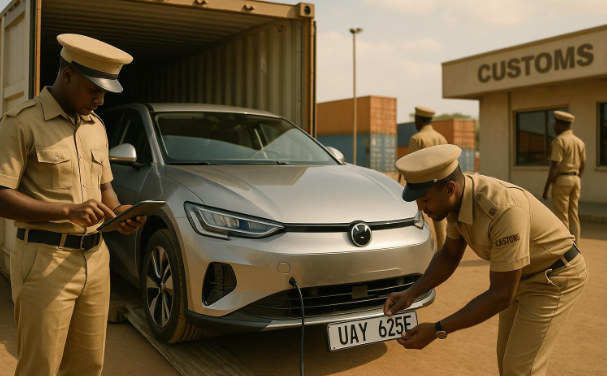
EV incentives in Uganda in 2026 explained — what tax breaks are real, what’s gone, and what it actually costs to go electric here.
Government Incentives for EV Buyers: What’s Really Available?
If you’ve been Googling “EV incentives Uganda” hoping for a juicy tax break that makes an electric car cheaper than your neighbour’s old Premio, you’re in for a reality check — and some good news too. Government incentives for EV buyers in Uganda have shifted a lot in the past two years, and knowing exactly what’s still on the table can save you millions of shillings, or at least save you from a nasty surprise at Malaba.
The Free Ride Is Over — Mostly
Back in the 2023/24 financial year, Uganda zero-rated import duty on electric vehicles. It worked almost too well — electric car imports jumped to 420 units that year, up from just 26 the year before. But that window closed. Uganda reinstated a 25% import duty on fully electric vehicles, hybrids, and electric motorcycles, and that rate still applies going into 2026.
So if anyone tells you EVs cross the border duty-free in Uganda right now, that’s outdated information.
What You’ll Actually Pay
On top of that 25% duty, EVs still pay VAT (18%), withholding tax (6%), and an infrastructure levy (1.5%). The one real break: electric vehicles are exempt from excise duty, while petrol and diesel vehicles above 2,000cc pay 10% excise on top of everything else. Every imported car, EV or not, also needs a UNBS roadworthiness check — a flat fee of roughly UGX 514,957 as of FY2026.
Age matters too. Uganda restricts imports of vehicles 15 years or younger from the date of manufacture, so that the “too good to be true” 2008 Leaf listing isn’t coming through customs cleanly.
Where the Real Incentives Sit
The remaining government support in Uganda isn’t really aimed at individual buyers — it’s aimed at building the local industry. VAT, stamp duty, and income tax exemptions are available for EVs and related components, along with tax breaks for local manufacturers meeting specific criteria, and companies manufacturing EVs, batteries, or charging infrastructure can get Stamp Duty exemptions if they employ at least 80% local staff and source 80% of raw materials locally. That’s the logic behind projects like the Kiira Vehicle Plant in Jinja, which is betting on locally-built electric buses rather than imported passenger EVs.
Worth watching: neighbours are moving fast in the other direction. Malawi’s 2026/27 budget just made EVs completely duty-free, which raises the obvious question of whether Uganda follows suit or falls behind on adoption
So Is It Worth It?
Here’s the honest running-cost picture: once you’re past the import wall, electricity is far cheaper per kilometre than petrol, and EVs have fewer moving parts — no oil changes, simpler servicing. The catch is that charging access outside Kampala is still thin, and resale value is an unknown quantity in a market still dominated by petrol Toyotas and Nissans. If you’re buying used rather than importing new, and marketplaces like auto24.ug are worth checking for EVs and hybrids already cleared and registered locally, which sidesteps some of the import headache entirely.
For anyone seriously weighing an EV import — duties, eligible models, and what’s realistically available for the Ugandan market — EV24.africa is a useful place to dig deeper into sustainable mobility options built specifically around East African import rules. And for everything else happening on Uganda’s roads, automag.ug stays your go-to for the news, reviews, and driving tips that actually apply here.
The bottom line: government incentives for EV buyers in Uganda today are modest for individuals but real for the local industry. Import duty is back at 25%, but the excise exemption and industrial incentives show the direction of travel — just don’t expect the 2023 free-for-all to return overnight.