Let’s be honest — driving in Uganda is not for the faint-hearted. Between the cratered tarmac on city streets, the deeply rutted murram roads upcountry, the sudden speed bumps that appear without warning, and the seasonal flooding that turns low-lying roads into rivers, a car in Uganda earns its keep the hard way. Buying the wrong vehicle can mean constant repairs, expensive suspension work, and the kind of frustration that makes you wish you had done more research before signing the logbook.
The good news? There are several budget-friendly cars that are genuinely well-suited to Uganda’s road conditions — vehicles that combine decent ground clearance, proven mechanical reliability, widely available spare parts, and running costs that won’t empty your bank account every month. Whether you are buying your first car, replacing an ageing vehicle, or looking for a workhorse that can handle both Kampala traffic and the roads beyond the city, this guide is for you.
Here are the top 10 budget cars for Uganda’s pothole-riddled roads in 2026.
What Makes a Car “Uganda-Ready”?
Before we dive into the list, it helps to understand the criteria that separate a good car for Ugandan roads from one that will leave you stranded at a garage every other month.
Ground Clearance: The single most important factor. A car sitting too low will scrape on speed bumps, bottom out in potholes, and risk damage to the exhaust, sump, and suspension components. A minimum of 165 mm of ground clearance is advisable; 180 mm and above is ideal.
Suspension Durability: Ugandan roads punish weak suspension relentlessly. Cars with robust, proven suspension geometry — ideally with easily replaceable components — hold up far better over time.
Spare Parts Availability: A car that is hard to find parts for in Kampala will cost you dearly in downtime and shipping fees. Widely sold Japanese brands dominate the local parts market for good reason.
Fuel Efficiency: With fuel prices remaining unpredictable, a car that sips rather than gulps petrol makes a meaningful difference to monthly running costs.
Mechanical Simplicity: Older, less electronically complex vehicles are easier and cheaper to repair locally. A skilled mechanic in Ntinda or Kisekka Market can work on a Premio far more confidently than on a heavily computerised modern European car.
With those criteria in mind, here are the ten best budget options for Uganda in 2026.
1. Toyota Premio / Allion
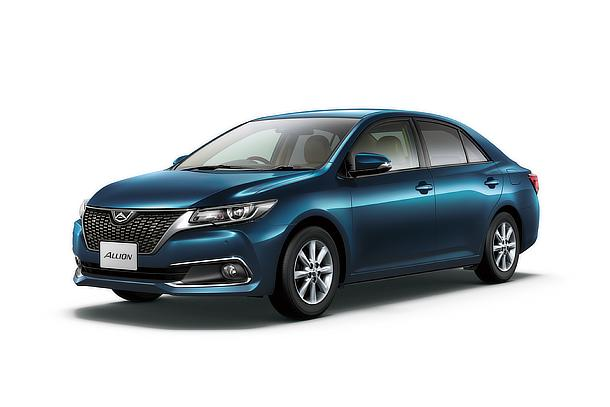
The Toyota Premio and its twin, the Allion, have become the default choice for middle-income Ugandan buyers for good reason. They are comfortable, fuel-efficient, mechanically reliable, and supported by one of the most extensive spare parts networks in the country. The 1NZ-FE and 1ZZ-FE engines found in most market-available units are famously long-lived when given basic maintenance.
The Premio’s ground clearance is modest at around 155–160 mm, which means it is primarily a tarmac car. That said, it handles Kampala’s battered city roads better than most similarly priced sedans thanks to a reasonably forgiving suspension setup. For upcountry travel on good tarmac roads, it remains an excellent choice.
Estimated price (used import): UGX 18–35 million
Best for: Daily urban commuting, tarmac intercity travel
Fuel consumption: Approximately 12–15 km/litre
2. Toyota RAV4 (3rd and 4th Generation)
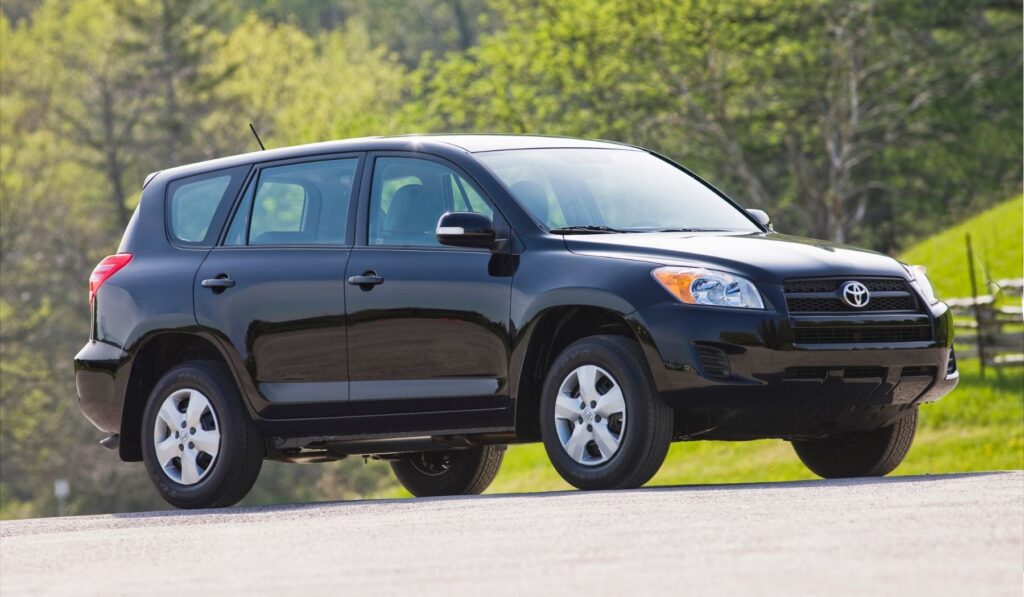
If you want SUV capability without SUV prices, the Toyota RAV4 is arguably the most sensible choice on this entire list. The 3rd generation (2005–2012) and 4th generation (2012–2018) RAV4s offer genuine all-road versatility — with ground clearance of around 177–200 mm, a proven 2.0 or 2.5 litre petrol engine, and the kind of build quality that ages slowly.
In Uganda, the RAV4 is everywhere — which is both a compliment to its suitability and a practical advantage for buyers. Parts are plentiful, mechanics understand it well, and resale value holds up reliably.
Estimated price (used import): UGX 35–75 million depending on year and condition
Best for: Mixed road use, families, semi-urban and upcountry travel
Fuel consumption: Approximately 10–13 km/litre
3. Subaru Forester (SG / SH Generation)
The Subaru Forester occupies a unique position in Uganda’s used car market. It offers genuine off-road capability — thanks to Subaru’s symmetrical all-wheel drive (AWD) system — in a package that is more affordable than most comparable SUVs. Ground clearance sits at around 220 mm on the SH generation, which is excellent for Uganda’s more challenging roads.
The Forester’s flat-four (boxer) engine has a reputation for longevity when properly maintained, and Uganda has enough Subaru owners that a community of knowledgeable mechanics has developed around the brand.
Estimated price (used import): UGX 28–55 million
Best for: Mixed terrain, upcountry travel, drivers who need genuine AWD
Fuel consumption: Approximately 10–12 km/litre
4. Toyota Succeed / Probox
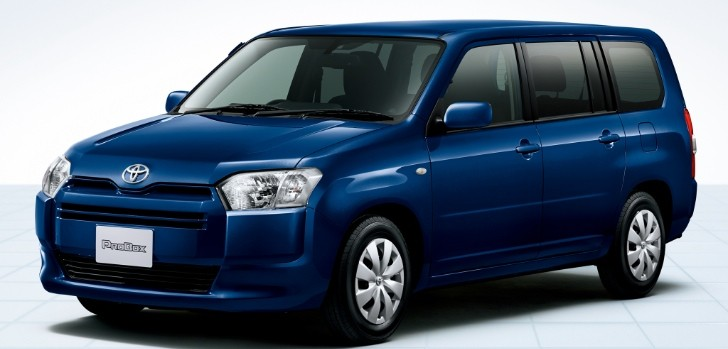
The Toyota Probox and Succeed are the workhorses of Uganda’s roads. Walk into almost any trading centre, hospital car park, or government compound and you will find at least one. They are boxy, utilitarian, and completely unpretentious — and that is precisely why they are so well-loved.
Ground clearance on the Probox is a respectable 160–175 mm. The 1NZ-FE engine is famously bulletproof. Spare parts are among the cheapest and most available of any car on this list. And the fuel consumption is outstanding — many owners report 16–18 km/litre on highway driving.
For buyers prioritising practicality and lowest total cost of ownership above all else, the Probox is hard to beat.
Estimated price (used import): UGX 15–28 million
Best for: Commercial use, rural travel, budget buyers
Fuel consumption: Approximately 15–18 km/litre
5. Nissan X-Trail (T30 / T31 Generation)
The Nissan X-Trail has been a firm favourite among Ugandan drivers who want genuine SUV presence at a price point that does not require a bank loan. The T30 (2001–2007) and T31 (2007–2013) generations are the most commonly available on the used market, offering solid ground clearance (around 200 mm), a spacious cabin, and Nissan’s 4WD system for more demanding terrain.
The QR25DE engine found in most T31 units is reliable and well-understood by local mechanics. Parts availability is good in Kampala, though slightly less comprehensive than Toyota equivalents.
Estimated price (used import): UGX 22–48 million
Best for: Family use, mixed terrain, drivers who need occasional 4WD
Fuel consumption: Approximately 10–12 km/litre
6. Honda Fit / Jazz (GE Generation)
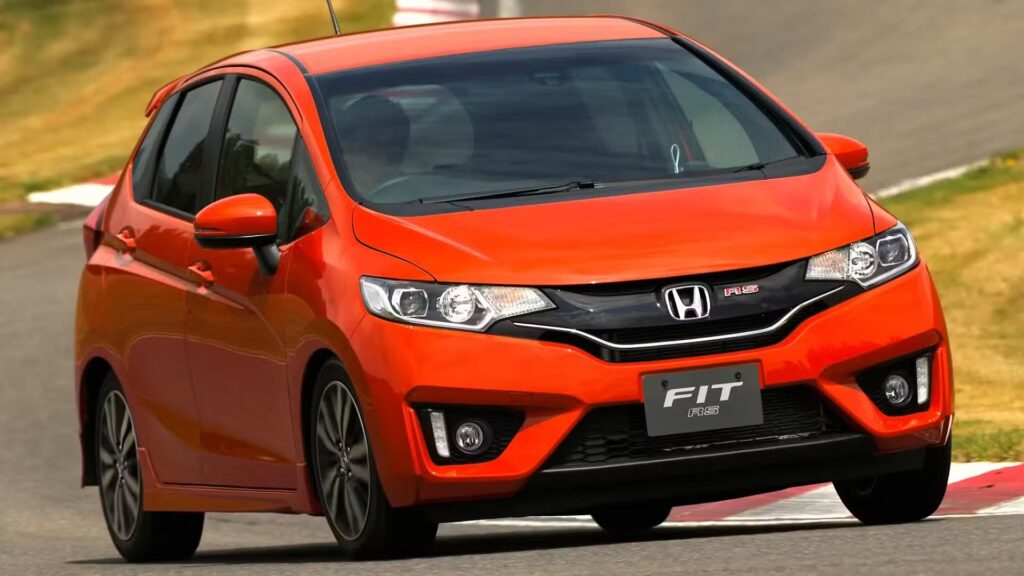
The Honda Fit (sold as the Jazz in some markets) is one of the most underrated budget cars in Uganda. It is small, nimble, and extraordinarily fuel-efficient — but what makes it stand out is Honda’s engineering attention to detail. The GE-generation Fit (2008–2014) offers a surprisingly comfortable ride given its compact dimensions, thanks to a well-tuned suspension setup.
Ground clearance is modest at around 150–155 mm, so it is not recommended for rough upcountry roads. Within Kampala and on good tarmac, however, it is one of the most satisfying and economical cars you can own.
Estimated price (used import): UGX 14–25 million
Best for: Urban commuting, single drivers or couples, fuel-conscious buyers
Fuel consumption: Approximately 16–20 km/litre
7. Toyota Harrier (XU10 / XU30)
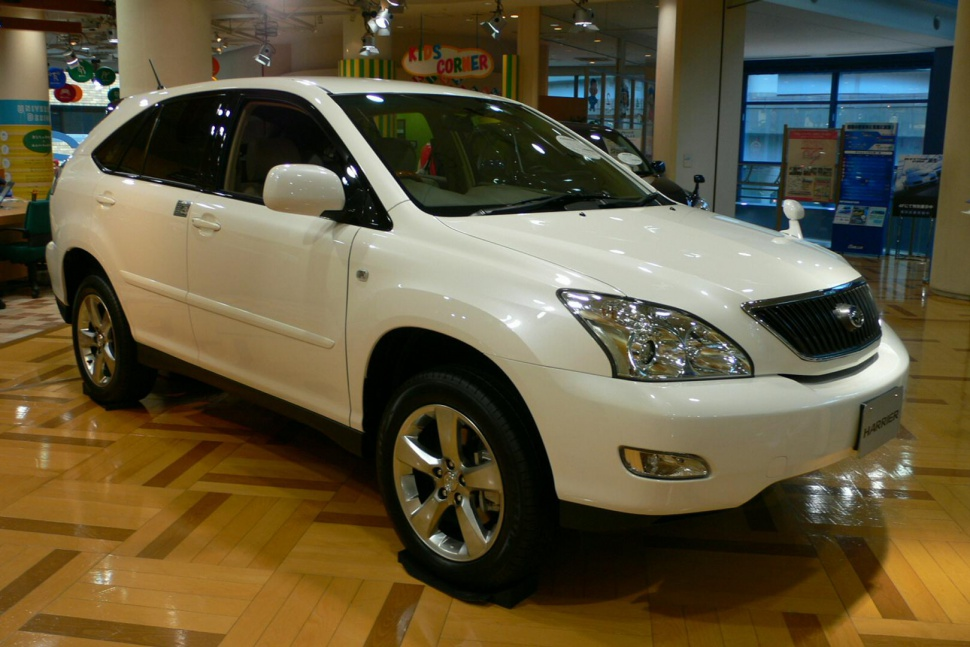
The Toyota Harrier — badged as the Lexus RX in export markets — sits in the sweet spot between a comfortable family car and a capable road-eating SUV. Ground clearance on the XU30 generation (2003–2013) is around 175–185 mm, which handles most of Uganda’s road challenges with ease.
The Harrier’s reputation for reliability, combined with its premium interior and smooth V6 or 2.4-litre four-cylinder engine options, makes it a popular aspirational choice for buyers who want something that feels upmarket without breaking the budget. Spare parts are readily available in Kampala’s used parts market.
Estimated price (used import): UGX 28–60 million
Best for: Families, professionals, mixed urban and highway driving
Fuel consumption: Approximately 10–13 km/litre (V6 models slightly lower)
8. Mazda Demio (DE Generation)
The Mazda Demio is a compact hatchback that punches above its weight in terms of build quality and driving comfort. The DE generation (2007–2014) is the most commonly available in Uganda and offers a zippy 1.3 or 1.5 litre engine, good fuel efficiency, and a light, agile feel that suits urban driving well.
It is not a car for unpaved roads — ground clearance of around 145–155 mm means it belongs on tarmac. But for Kampala residents who spend most of their time on city roads and need a reliable, economical daily driver, the Demio is an excellent option.
Estimated price (used import): UGX 12–22 million
Best for: Urban driving, first-time car owners, budget buyers
Fuel consumption: Approximately 16–19 km/litre
9. Toyota Land Cruiser Prado (90 / 120 Series)
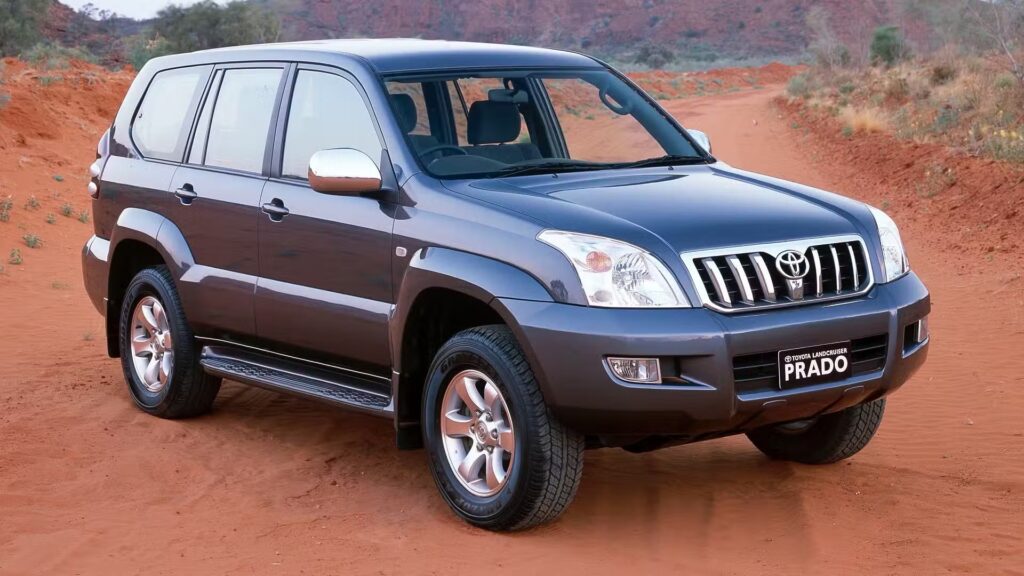
Yes, a Land Cruiser Prado on a budget cars list — hear us out. The 90 series (1996–2002) and 120 series (2002–2009) Prados are now available at used import prices that bring them within reach of serious buyers who prioritise capability over comfort or modernity. Ground clearance sits at 218–220 mm, the 4WD system is legendary, and the build quality is virtually indestructible.
For buyers who regularly travel upcountry on rough murram roads, or who live in areas where seasonal flooding is a real concern, an older Prado represents extraordinary value. Running costs are higher than smaller cars, but the reduced frequency of suspension repairs on difficult roads can offset this significantly.
Estimated price (used import): UGX 40–80 million for 90 series; UGX 60–120 million for 120 series
Best for: Upcountry travel, rough terrain, towing, large families
Fuel consumption: Approximately 8–11 km/litre
10. Mitsubishi Outlander (2nd Generation)
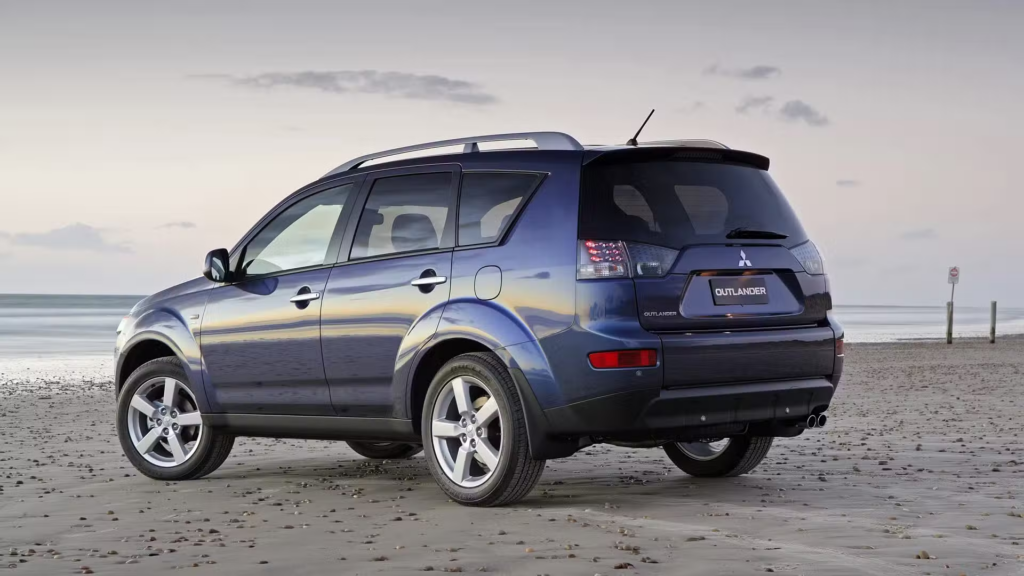
The Mitsubishi Outlander is a practical mid-size SUV that remains undervalued on Uganda’s used car market — making it a genuine bargain for the informed buyer. The 2nd generation (2006–2012) offers a ground clearance of around 200 mm, a spacious seven-seat layout in some configurations, and Mitsubishi’s reliable 4WD system.
Parts availability for Mitsubishi has improved significantly in Uganda over recent years, though it remains slightly behind Toyota and Nissan in that regard. For buyers comfortable doing some research on parts sourcing, the Outlander offers more car for the money than most of its competitors on this list.
Estimated price (used import): UGX 25–50 million
Best for: Families, moderate off-road use, buyers looking for SUV space at sedan prices
Fuel consumption: Approximately 10–13 km/litre
Where to Find These Cars in Uganda
Knowing which car to buy is only half the challenge — finding a clean, well-priced example is the other half. Uganda’s used car market is large and varied, with options ranging from bond yard imports to locally registered second-hand vehicles.
For a reliable and regularly updated selection of second-hand cars in Uganda, auto24.ug is one of the most trusted platforms available — featuring listings across all budget ranges, including many of the models on this list such as the Toyota RAV4, Subaru Forester, Nissan X-Trail, and Mitsubishi Outlander. The platform makes it easier to compare prices, check mileage, and contact sellers directly without the hassle of physically visiting multiple bond yards.
For automotive news, detailed car reviews, and road-tested buying advice tailored to Ugandan drivers, automag.ug is an excellent companion resource — covering everything from vehicle comparisons to maintenance tips for local road conditions.
If you are looking for an even wider range of automotive content, community reviews, and a car-buying platform built specifically for the Ugandan market, carkibanda.com is worth bookmarking alongside your search.
Practical Car Care Tips for Uganda’s Roads
Owning the right car is a great start — but keeping it in good condition on Uganda’s roads requires a few additional habits.
Check your suspension every 10,000 km. Uganda’s roads destroy bushings, shock absorbers, and ball joints faster than manufacturer service intervals assume. A proactive inspection every 10,000 km — rather than waiting for a squeak or pull — saves money in the long run.
Change your oil more frequently than the manual recommends. Dust, heat, and stop-and-go traffic in Kampala place greater stress on engine oil than the temperate European or Japanese conditions that most service manuals are written for. Consider an oil change every 5,000 km rather than 7,500–10,000 km.
Invest in quality tyres. Cheap tyres compound the punishment that potholes deliver to your car. A quality tyre with good sidewall strength absorbs impact better, protecting the rim and suspension. Do not cut corners here.
Keep your tyre pressure slightly above the minimum recommended level. Slightly higher pressure (2–3 PSI above the lower end of the recommended range) provides a small buffer of protection against pothole impact and reduces the risk of a pinch flat.
Always carry a spare tyre — and check it regularly. A surprising number of drivers in Uganda carry a flat spare. Check your spare’s pressure every time you check the other four tyres.
Protect your underbody. On murram roads or in areas prone to flooding, underbody corrosion and impact damage are serious long-term threats. Regular underbody washing and periodic application of an underbody sealant or anti-rust coating extends your vehicle’s life meaningfully.
What About Electric Vehicles?
If you are open to considering a different kind of budget mobility, it is worth noting that Uganda’s EV options are slowly expanding. Electric vehicles typically have far fewer mechanical parts to maintain, which reduces the kind of suspension and drivetrain repair costs that Uganda’s roads impose on conventional cars.
For drivers curious about making the switch, EV24.africa offers import options for electric cars, providing access to a growing range of EV models that can be sourced and brought into Uganda — expanding your choices beyond what is currently available in local bond yards and dealerships.
Final Thoughts
Uganda’s roads will not suddenly become smooth in 2026 — but the cars on this list have been road-tested (often literally) by thousands of Ugandan drivers and proven their worth in local conditions. Whether you go for the bulletproof reliability of a Toyota Probox, the genuine off-road ability of a Subaru Forester, or the aspirational practicality of a Land Cruiser Prado, the key is buying smart, maintaining consistently, and understanding what your roads will demand of your vehicle.
For more car buying guides, maintenance advice, and the latest automotive news tailored to Uganda, explore automag.ug — your trusted companion on and off the road.