Know the latest Kampala Northern Bypass road conditions, traffic hotspots, junctions, safety tips and better driving times before setting off.
Kampala Northern Bypass road conditions and driving guide
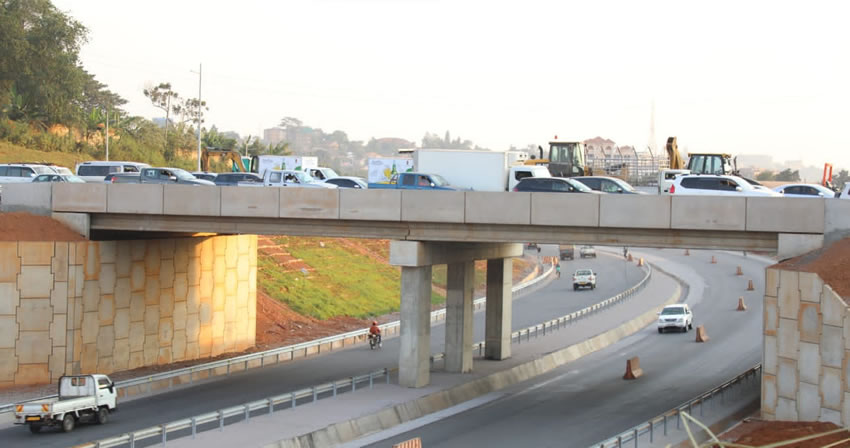
The Kampala Northern Bypass is open again after major repairs on the Namungoona–Bwaise section, but drivers should not treat it like an empty expressway. The 22.5-kilometre road is a busy arc around the northern side of Kampala, linking Busega in the west with the Bweyogerere and Namboole side in the east.
It carries commuters, taxis, trucks, buses, boda bodas and drivers trying to avoid the city centre. At one moment you may be moving freely past Kisaasi; a few minutes later, traffic can bunch up around an interchange, a merging lane or a busy roadside settlement.
This guide explains the latest Kampala Northern Bypass road conditions, the main sections to know, driving risks, useful connections and how to prepare before joining the route.
What are the Kampala Northern Bypass road conditions now?
As of August 2026, the most significant recent development is the reopening of the Namungoona–Bwaise section after rehabilitation works. The Ministry of Works and Transport announced that asphalt-laying works had reached completion and that traffic had resumed in July 2026.
The repairs followed months of disruption. Work included removing damaged asphalt, stabilising weak sections of the road base and laying a new asphalt surface. Engineers identified heavy traffic and swampy ground between Bwaise and Namungoona as important reasons for the deterioration.
That means conditions should be better on the repaired section than during the construction period, but drivers still need to watch for:
- Temporary signs and lane changes.
- Construction equipment being cleared from the roadside.
- Uneven shoulders and drainage edges.
- Merging traffic near interchanges.
- Standing water after heavy rain.
- Potholes or surface damage on sections outside the recently repaired area.
The bypass is not a road where drivers should rely on an old social-media video or yesterday’s traffic report. Conditions can change quickly after rain, a crash, road maintenance or a broken-down truck.
Where does the bypass run?
The route begins around Bweyogerere in the east and ends at the Busega Interchange in the west. It passes through or near major areas including:
- Bweyogerere.
- Kyambogo.
- Ntinda.
- Naalya.
- Kisaasi.
- Bwaise.
- Namungoona.
- Busega.
The road connects important corridors serving northern, eastern, western and southern Kampala. It also links into routes towards Jinja, Gayaza, Entebbe, Mityana and other parts of the country.
The Busega end is particularly important because it connects with the Kampala–Entebbe Expressway and other major routes. Parliament has also described the planned Busega–Mpigi Expressway as a 27-kilometre project with a major interchange connection to the Northern Bypass.
Which sections need the most attention?
Busega to Namungoona
This western section can become busy because several traffic streams meet around Busega and connect towards Rubaga, Entebbe and roads heading west.
After the recent rehabilitation works, drivers should still give way carefully when entering from connecting roads. Watch for lane discipline, pedestrians near access points and vehicles changing lanes at the last moment.
Namungoona to Bwaise
This is the section that recently received major attention. The road base was weakened by heavy traffic and swampy terrain, contributing to potholes and surface failure.
The new surface should improve the drive, but freshly repaired asphalt does not eliminate the need for caution. Avoid stopping in live lanes, keep a safe following distance and watch for workers, barriers or unfinished drainage work.
Bwaise to Kisaasi
Bwaise is one of the sections where traffic can become unpredictable. Vehicles join and leave the bypass, while the surrounding urban activity creates frequent pedestrian movement.
The road may look clear ahead, but traffic can slow sharply near junctions. Do not maintain high speed simply because the lane is open.
Kisaasi to Naalya and Bweyogerere
The eastern side carries heavy commuter traffic, particularly during the morning and evening peaks. Drivers heading towards Kira, Mukono, Jinja and other eastern destinations should pay close attention to exit signs.
Missing your turn can mean a long detour before finding a safe place to change direction. Move into the correct lane early rather than cutting across traffic at an interchange.
When is the Northern Bypass busiest?
The busiest periods are usually:
- Early weekday mornings, when people travel towards workplaces, schools and the city centre.
- Late weekday afternoons and evenings, when commuters return home.
- Friday afternoons and evenings.
- The beginning and end of school terms.
- Periods of heavy rain.
- Times when crashes or broken-down trucks block a lane.
The exact delay varies from day to day. A journey that feels quick on a Sunday morning can become slow and tiring on a wet Monday evening.
If you have a fixed appointment, leave a generous buffer. Checking live navigation before departure is useful, but do not use a phone while driving. Set the route before moving or ask a passenger to monitor it.
How should you drive on the bypass?
Keep a steady speed
The Northern Bypass is designed to move traffic around Kampala, but it is still an urban road with merges, junctions, pedestrians and roadside activity.
Follow the posted speed limit rather than matching the fastest driver around you. KCCA’s speed-management proposals distinguish between urban expressways, arterial roads and local roads, with lower limits where people gather or work. Always obey the signs displayed on the road.
Leave space around trucks
Heavy trucks can block visibility and may take longer to stop. Avoid sitting in a truck’s blind spot, especially when it is changing lanes.
If you need to overtake, check the lane properly, pass without lingering beside the truck and return only when you have enough space.
Treat merging traffic seriously
Many close calls happen when a driver joins the bypass at speed without checking the main carriageway. Use indicators, check mirrors and blind spots, and adjust your speed early.
The driver already on the main carriageway should also avoid accelerating aggressively to close every gap. Good merging requires cooperation.
Expect pedestrians
People may cross near interchanges, settlements and public-transport stopping points. At night or in rain, pedestrians can be difficult to see.
Keep your headlights, windscreen and mirrors clean. Slow down when visibility drops.
What changes during the rainy season?
Rain creates several problems at the same time: reduced visibility, longer braking distances, standing water and slippery road markings. Water can also conceal potholes or broken edges.
During heavy rain:
- Reduce speed before reaching standing water.
- Increase the gap from the vehicle ahead.
- Avoid sudden braking or steering.
- Use headlights so other road users can see you.
- Do not drive through deep water if you cannot judge its depth.
- Avoid stopping beneath bridges or on the shoulder unless it is safe.
- Check your tyres before the journey.
If the car begins to aquaplane, ease off the accelerator and keep the steering steady. Avoid stamping on the brakes or making a sharp turn.
What should you check before using the route?
A short inspection can prevent a simple bypass journey from becoming a roadside problem. Check:
- Tyre pressure and tread depth.
- Spare wheel, jack and wheel spanner.
- Brake response.
- Headlights and indicators.
- Windscreen washers and wipers.
- Engine coolant and oil levels.
- Battery terminals.
- Fuel level.
Uganda’s heat, dust and traffic place extra strain on cooling systems, batteries, brakes and suspension components. If your vehicle has recently handled rough roads, listen for knocks and inspect the tyres for bulges.
Do not wait until the warning light appears to service the vehicle.
Is the bypass suitable for every vehicle?
Most properly maintained saloon cars, hatchbacks, SUVs and light commercial vehicles can use the paved bypass. You do not need a large four-wheel-drive vehicle simply because the road is called a bypass.
However, a vehicle with poor brakes, worn tyres or damaged suspension is unsafe on any busy road. Small cars can be easier to manoeuvre in traffic, while larger vehicles provide a higher driving position but need more space when changing lanes.
Motorcycle riders should use extra caution. Stay visible, avoid weaving between lanes and do not ride into blind spots beside trucks and buses.
What should you do during a breakdown?
If your car develops a problem:
- Switch on the hazard lights.
- Move to a safe shoulder if the vehicle can still move.
- Place a warning triangle where approaching traffic can see it.
- Stay alert and keep passengers away from live lanes.
- Call roadside assistance or the relevant authorities.
- Do not attempt a complicated repair beside fast-moving traffic.
If the vehicle stops in a dangerous position, leave it only when you can reach a safer location without crossing moving lanes. At night, use reflective clothing or a torch if available.
Useful connections for drivers
The bypass can help drivers avoid passing through the city centre, but it is not always the fastest option. From Busega, motorists can connect towards the Kampala–Entebbe Expressway and western routes. From the eastern end, drivers can continue towards Bweyogerere, Mukono and Jinja.
Before choosing the bypass, compare:
- Your starting point.
- Your destination.
- Current congestion at Busega and Bwaise.
- Traffic around Kisaasi and Naalya.
- Weather conditions.
- Whether an alternative route has better access to your destination.
For regular updates, road stories and practical driving advice, check AutoMag Uganda, which covers Uganda’s motoring scene and city-road developments.
If you are looking for a second-hand car suitable for Kampala traffic and longer highway trips, you can also browse AUTO24.ug.
Drivers considering a cleaner vehicle for urban journeys can explore electric-car and sustainable-mobility options through EV24.africa. An EV may work well for city driving, but owners must still consider charging access, purchase cost and servicing support before choosing one.
Final driving advice
The Kampala Northern Bypass is in a better position after the reopening of the Namungoona–Bwaise section, but it remains a busy urban corridor rather than a free-flowing motorway. The safest approach is to plan around peak traffic, follow lane markings, slow down in rain and treat every interchange as a potential conflict point.
Give yourself time, keep the car roadworthy and do not let a clear stretch of tarmac tempt you into careless driving. On Kampala’s roads, arriving a few minutes later is far better than spending the evening explaining a preventable crash.