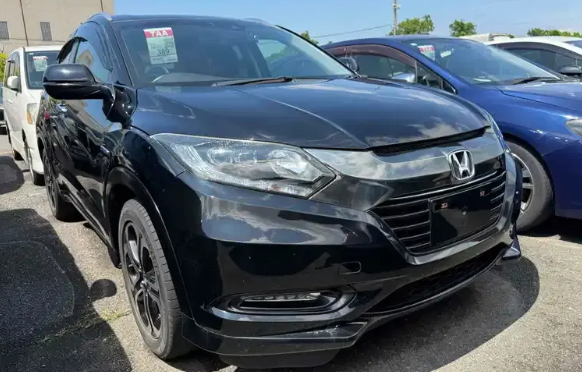
Discover why more Ugandan drivers are choosing hybrid cars, from fuel savings to import rules, plus practical tips for owning one.
How Hybrid Cars Are Gaining Popularity Among Ugandan Drivers
Drive through Kampala on any given morning and you’ll notice something that would have seemed unusual just a few years ago: badges reading “Hybrid” on Harriers, Vezels, RAV4s, and even the occasional Prius, sitting in traffic alongside the usual sea of diesel SUVs and petrol saloons. Hybrids have quietly moved from a curiosity to a genuine mainstream choice for Ugandan car buyers, and the reasons behind that shift are worth understanding, whether you’re considering one yourself or just curious about where the market is heading.
What a Hybrid Actually Is (In Plain Terms)
A hybrid car pairs a conventional petrol or diesel engine with an electric motor and a small battery pack. The two power sources work together, with the electric motor assisting during acceleration, low-speed driving, and stop-start traffic, while the engine takes over for sustained higher-speed driving and recharges the battery along the way. Unlike a fully electric vehicle, a hybrid never needs to be plugged in; the system charges itself as you drive.
Most hybrids reaching Uganda through the used Japanese import market are what’s known as full or mild hybrids, models like the Toyota Aqua, Toyota Harrier Hybrid, Honda Vezel, and Toyota Noah Hybrid, rather than plug-in hybrids, which remain rarer here due to Uganda’s still-developing charging infrastructure.
Car care tip: When buying a used hybrid, always ask for the hybrid battery health report or have it tested before purchase. A weakening hybrid battery won’t strand you the way a dead 12V battery would, since the engine can still run the car, but it does mean losing the fuel-saving benefit that likely drew you to the hybrid in the first place.
Why Fuel Costs Are Driving the Shift
Uganda’s fuel prices have climbed steadily in recent years, and for anyone doing a daily commute, say, from Mukono into Kampala, or Entebbe up to the city center, that adds up fast. Hybrid vehicles use meaningfully less fuel than their conventional counterparts because the electric motor handles a portion of the workload, particularly in the stop-start city driving that dominates most Ugandan commutes.
A driver switching from a standard 1.5L petrol saloon to a comparable hybrid model can expect a noticeable drop in monthly fuel spending, and over a year or two of daily use, those savings can add up to a significant sum, often enough to offset a meaningful part of the vehicle’s purchase price difference.
Car care tip: Track your actual fuel consumption for the first month after switching to a hybrid using a simple notebook or fuel app. Real-world savings vary by driving style and traffic conditions, and having your own data helps you judge whether a hybrid purchase is paying off as expected.
The Import Tax Picture: What’s Changed and Why It Matters
Uganda’s tax treatment of hybrids has shifted more than once in recent years, so it’s worth understanding where things currently stand rather than relying on outdated information. Hybrid and electric vehicle imports enjoyed a full import duty exemption during the 2023–2024 fiscal year, which contributed to a sharp jump in hybrid imports that year. That exemption has since been replaced: individual importers of hybrids and EVs now face a 25% import duty, a significant change from the earlier zero-duty period.
That said, Uganda’s newer used-vehicle import framework does offer a green vehicle rebate of up to 5% for hybrids and Euro 6 compliant models, which softens the blow somewhat compared to older, higher-emission petrol and diesel imports. Businesses involved in local EV and hybrid-related manufacturing or infrastructure still enjoy more substantial incentives, but individual buyers importing a single hybrid for personal use should budget for the full duty structure rather than assuming duty-free treatment.
Car care tip: Before committing to an import, run your specific vehicle’s details through the URA online tax calculator rather than relying on general estimates. Duty, VAT, and environmental levy calculations depend on engine size, age, and fuel type, and small differences in these figures can meaningfully change your landed cost.
Reliability and Maintenance: Addressing the Common Worries
A frequent hesitation among Ugandan buyers is whether hybrid technology is reliable enough for local roads and, just as importantly, whether local mechanics know how to work on them. The good news on both counts is encouraging.
Toyota’s hybrid system, found in the Aqua, Harrier Hybrid, and increasingly the Corolla Cross HEV now sold new in Uganda through official dealerships, has a strong global reliability track record, with hybrid batteries commonly lasting eight to ten years or more depending on usage and care. Because Toyota and Honda hybrids dominate Uganda’s used import market, a growing number of local garages, particularly in Kampala, have built up genuine hands-on experience diagnosing and servicing hybrid systems, closing what used to be a real skills gap.
Routine maintenance on a hybrid, oil changes, brake checks, tyre rotations, isn’t fundamentally different from a conventional car. Hybrid-specific costs mainly come into play if the battery pack eventually needs replacement, which remains a relatively rare event within a normal ownership period but is worth factoring into your long-term budget.
Car care tip: Choose a garage with documented hybrid experience rather than assuming any general mechanic can handle hybrid-specific diagnostics. Ask directly whether they’ve serviced Toyota Hybrid Synergy Drive or Honda i-DCD systems before, since hybrid high-voltage components require specific safety handling that not every workshop is equipped for.
Environmental Awareness Is Playing a Real Role Too
Beyond the financial case, a growing number of Ugandan drivers are genuinely thinking about air quality, particularly in increasingly congested cities like Kampala, Mbarara, and Jinja. Hybrids produce noticeably lower tailpipe emissions than comparable conventional vehicles, and that’s resonating with a segment of buyers who want their vehicle choice to reflect broader environmental values, not just their monthly fuel budget.
This shift is also visible at the dealership level. Official Toyota Uganda dealers now market hybrid models directly to environmentally conscious buyers, a positioning that would have felt unusual in Uganda’s car market just a few years ago, when hybrids were still seen mostly as a niche, imported curiosity.
Choosing a Hybrid: What to Look for as a Buyer
If you’re ready to explore hybrid ownership, a few practical steps make the process smoother. Stick to well-established models with strong parts availability locally, the Toyota Aqua, Harrier Hybrid, and RAV4 Hybrid, and Honda Vezel are the safest starting points given how common they already are on Ugandan roads. Always request a full vehicle history, confirm the hybrid battery’s condition, and factor import duty realistically into your total budget rather than being surprised at clearance.
To find second-hand cars suitable for these conditions, check out auto24.ug, where certified listings include popular hybrid options like the Toyota Harrier Hybrid and RAV4, inspected and verified before sale, giving hybrid first-timers a safer entry point into the market.
If you’d like to compare a wider range of hybrid and conventional listings directly from sellers, carkibanda.com is another dependable platform for buying a car in Uganda, alongside ongoing automotive news and driving guidance tailored to local conditions.
For drivers looking to go a step further into sustainable mobility, EV24.africa offers import options for fully electric cars, expanding choices in Uganda’s growing clean-energy vehicle market for those ready to move beyond hybrids entirely as charging infrastructure continues to develop.
Final Thoughts
Hybrid cars in Uganda have moved well past the early-adopter phase. Rising fuel costs, growing local mechanic expertise, wider model availability, and a gradually improving (if still evolving) tax environment have all combined to make hybrids a genuinely practical choice for everyday Ugandan drivers, not just an environmentally-minded luxury. Whether you’re commuting daily through Kampala traffic or simply looking to cut your fuel bill, a well-chosen hybrid is no longer a gamble; it’s a smart, mainstream option.
For more guides on fuel-efficient vehicles, buying tips, and Uganda’s evolving automotive market, discover additional resources on automag.ug.
Would you consider switching to a hybrid for your daily drive, or have you already made the jump?