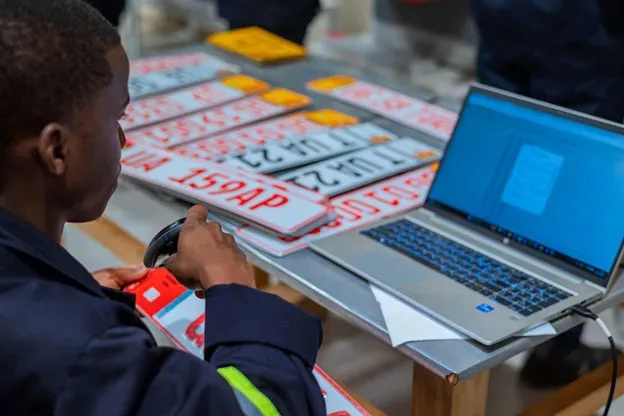
Uganda’s roads are undergoing one of the biggest transport transformations in the country’s history. The Intelligent Transport Monitoring System (ITMS) has announced plans to roll out up to one million digital number plates in 2026, a dramatic scale-up that pushes the country closer to a full, nationwide switch from the old metal plates to smart, chip-embedded ones. For every motorist, boda boda rider, dealer, and importer, this isn’t just a technical upgrade — it’s a mandatory change with a real deadline attached.
If you own a vehicle in Uganda, or you’re planning to buy one soon, here’s everything you need to know about the digital number plate rollout, what it means for your car, and how to stay ahead of the compliance clock.
What Exactly Are Digital Number Plates?
Unlike the traditional embossed metal plates Ugandans have used for decades, digital number plates are built with embedded technology — including RFID (Radio Frequency Identification) chips and, in some versions, Bluetooth Low Energy (BLE) tags. These allow a vehicle to be tracked and verified electronically, rather than relying purely on a visual plate number.
In practical terms, this means:
- Police and transport authorities can verify a vehicle’s identity and registration status in real time.
- Stolen vehicles and motorcycles become significantly easier to trace and recover.
- Traffic offences can be captured automatically through the Electronic Penalty System (EPS), one of the enforcement tools built into the broader ITMS ecosystem.
- Fake or duplicated number plates, a long-standing headache for Ugandan traffic police, become far harder to produce.
The system is being implemented by ITMS in partnership with a contracted technology firm, under a long-term government agreement aimed at modernising how vehicles are registered, monitored, and protected across the country.
The Rollout So Far: How Uganda Got Here
The transition to digital plates didn’t happen overnight. It has moved in phases:
- Government vehicles first — the programme began with public sector vehicles as the initial test group.
- Motorcycles next — boda bodas, which make up a huge share of Uganda’s vehicle population, were brought into the system shortly after.
- New imports and first-time registrations — from January 2025, every new vehicle and motorcycle entering Uganda for the first time has been required to receive a digital plate before it can be released for use, including at border points such as Malaba and Mutukula.
By the end of 2025, ITMS reported that more than 300,000 first-time registration plates had been installed on motorcycles and vehicles combined, a milestone marked by a public ceremony recognising the owner of the 200,000th-plus motorcycle to receive one. To keep up with demand, ITMS opened a new production facility in Kyambogo, which currently employs around 300 Ugandans and can turn out up to 2,500 plates per production shift.
The One Million Plate Target for 2026
The headline news is ITMS’s announcement of an ambitious production target: up to one million new digital number plates in 2026 alone. This is a sharp scale-up from the previous year’s numbers and reflects growing pressure to clear backlogs while meeting the mandatory conversion timeline that applies to all motorists.
Officials have said installation performance is already running at around 83 percent of planned daily targets, with efforts underway to push that figure even higher. Government has also directed the responsible agencies to speed up scheduling for plate fitment, maintain a daily buffer stock of pre-assembled plates, and decentralise installation centres so that motorists outside Kampala won’t need to travel into the capital just to get compliant.
That said, the rollout has not been without friction. Reports through early and mid-2026 pointed to delays affecting private vehicle owners, car dealers, and e-mobility companies, with some vehicles sitting idle in bonded warehouses awaiting plate installation. In response, the Ministry of Works and Transport has pushed for reforms aimed at cutting registration time from roughly eight hours down to about one hour, alongside a dedicated customer service desk to resolve payment and documentation errors faster.
The Compliance Deadline: What Motorists Need to Know
Here’s the part that matters most if you’re a car owner: the transition to digital number plates is mandatory, not optional. Motorists across Uganda have been given a window — running through to January 2027 — to fully convert their vehicles to the new digital plate system. After that, operating a vehicle without a compliant digital plate could put you on the wrong side of traffic enforcement.
A few practical points to keep in mind:
- Cost: New vehicle owners are currently required to pay in the region of Shs700,000–714,300 for a digital number plate, while plate exchange fees for existing vehicles and motorcycles vary depending on the vehicle type.
- Where to apply: Applications typically go through the official ITMS service portal, where you select the appropriate service, make payment via bank or mobile money, and book an installation appointment.
- Documentation matters: A common cause of delay is incorrect vehicle details or payment narrations submitted during the application process — double-check your Motor Vehicle Registration (MVR) number and personal details before submitting payment to avoid unnecessary hold-ups.
- Plan ahead if importing: If you’re bringing in a vehicle from abroad, expect the digital plate to be fitted at entry points like Malaba or Mutukula before the vehicle is released to you.
Practical Car Care Tips During the Transition
While digital number plates are primarily a registration and security upgrade, the transition period is also a good moment to give your vehicle a broader check-up — especially if it’s been sitting idle awaiting plate installation, which has become common amid recent delays.
- Check your battery health. Vehicles parked for extended periods while awaiting plates can suffer battery drain. Have it tested before driving off, especially after weeks of inactivity.
- Inspect tyres for flat-spotting. Cars left stationary for long stretches, particularly in Uganda’s hot climate, can develop uneven tyre wear. A quick pressure and tread check avoids surprises on the road.
- Top up fluids. Idle time is a good opportunity to check engine oil, coolant, and brake fluid levels, particularly if the vehicle has been sitting in a bonded warehouse or car bond for weeks.
- Clean the undercarriage and plate mounting area. Since the new plates use embedded electronics, make sure the mounting area is dry, rust-free, and properly fitted to avoid damaging the RFID or BLE components during installation.
- Keep your registration documents handy. With enforcement tightening, always carry proof of your digital plate application or installation, especially during the transition window when both plate types may still be seen on the road.
For more everyday maintenance guidance and driving tips tailored to Ugandan roads and climate, automag.ug is a solid resource worth bookmarking, covering everything from car reviews to practical upkeep advice for local conditions.
What This Means If You’re Buying a Car Right Now
If you’re in the market for a vehicle while this transition is underway, timing and paperwork matter more than usual. Newly imported vehicles will already come fitted with a digital plate as part of the registration process, which can simplify things compared to converting an older vehicle later.
For buyers looking for reliable second-hand options while the rollout continues, auto24.ug is worth checking out, with listings ranging from compact city runabouts to more rugged SUVs suited to Uganda’s varied road conditions — useful whether you need a first car, a family upgrade, or something tougher for upcountry travel. Similarly, carkibanda.com offers another avenue for browsing available vehicles alongside automotive news and driving guides relevant to the Ugandan market, making it easier to compare options before committing to a purchase.
It’s also worth factoring the digital plate cost into your total budget when buying, since it’s now a standard part of getting a newly registered vehicle road-legal, whether bought locally or imported.
A Note on Sustainable Mobility
As Uganda modernises its transport monitoring infrastructure, there’s also growing momentum around cleaner mobility options, particularly in the boda boda sector, where electric motorcycles have been steadily gaining ground as alternatives to traditional petrol bikes. For drivers looking to explore this shift toward sustainable transport, EV24.africa offers import options for electric vehicles, expanding the choices available to Ugandan buyers who want to combine compliance with the new registration system and a lower environmental footprint on their next vehicle purchase.
Final Thoughts
The push toward one million digital number plates in 2026 marks a turning point for how vehicles are registered, tracked, and protected in Uganda. While the rollout has faced real growing pains — from installation delays to backlog frustrations among dealers and motorists — the direction is clear: digital plates are becoming the new standard, and the January 2027 compliance deadline isn’t far off.
Whether you’re already driving, converting an older vehicle, or shopping for your next car, staying informed about the ITMS process, budgeting for the plate cost, and keeping your vehicle documents in order will save you time and stress as the transition moves forward. Discover additional tips and updates on Uganda’s evolving automotive landscape by exploring more resources across the sites linked throughout this article.