Electric vehicles (EVs) are no longer just a distant dream for Ugandan drivers. From Kampala’s busy streets to the winding roads of Mbarara and Jinja, conversations about electric cars are growing louder — and for good reason. With fuel prices continuing to fluctuate and global momentum firmly behind clean transport, many Ugandans are starting to ask: Is now the right time to go electric?
But before you make the switch, there’s one very important question that needs an honest answer — can Uganda’s power grid actually support electric vehicles?
Let’s dig into the realities, the challenges, and the exciting opportunities that come with EVs in Uganda.
The State of Uganda’s Power Grid in 2025
Uganda has made significant strides in electricity generation over the past decade. The commissioning of the Karuma Hydropower Dam (600 MW) and the Isimba Hydropower Station (183 MW), alongside the long-running Nalubaale and Kiira dams, has substantially boosted national generation capacity. Uganda now generates well over 1,000 MW of installed capacity — a figure that continues to grow.
However, generation capacity is only one side of the story. The real challenge lies in transmission, distribution, and access. According to the Uganda Electricity Distribution Company Limited (UEDCL) and various energy reports, rural electrification rates remain below 30%, and even in urban areas, power outages — commonly known as load shedding — are a regular occurrence.
For EV owners, this creates a genuine practical concern. Charging an electric car requires reliable, consistent electricity. If you’re losing power for several hours a day, your vehicle may not be charged and ready when you need it most.
How Much Power Does an EV Actually Need?
Understanding electricity demand is key to answering whether Uganda’s grid can cope with widespread EV adoption.
A typical electric car like the Nissan Leaf has a battery capacity of around 40 kWh. Charging it from near-empty to full on a standard home charger (Level 1 or Level 2) requires approximately 8–12 hours and draws between 3.3 kW to 7.4 kW of power. A fast DC charger (Level 3) can do the same in under an hour but draws between 50–150 kW.
To put this in perspective:
- A single EV charging overnight uses roughly the same electricity as running an air conditioner for an entire evening.
- Ten EVs charging simultaneously in one neighbourhood could stress a local transformer that wasn’t designed for that load.
At the current rate of EV adoption in Uganda — which remains relatively low — the national grid can comfortably absorb the demand. But as adoption grows, infrastructure must grow with it.
Charging Infrastructure in Uganda: Where Are We Now?
This is where Uganda still has a lot of work to do. Unlike Kenya, which has seen a surge in EV charging stations in Nairobi, Uganda’s public EV charging infrastructure is still in its infancy.
Currently, most EV owners in Uganda rely on home charging setups, typically using a standard wall socket or a dedicated home EV charger. This works reasonably well in areas with stable electricity supply, such as parts of Kampala, Entebbe, and some peri-urban towns.
A small but growing number of charging points are beginning to appear at select fuel stations, shopping malls, and commercial premises. However, for long-distance travel — say, from Kampala to Kabale or Fort Portal — EV drivers need to plan very carefully, as charging stops along these routes are virtually non-existent.
For the latest developments in EV infrastructure and automotive news in Uganda, automag.ug is a great resource, offering up-to-date coverage tailored specifically for Ugandan drivers and car enthusiasts. Whether you’re tracking new charging stations or looking for expert car reviews, it’s a platform worth bookmarking.
Solar Power: Uganda’s Secret Weapon for EV Charging
Here’s where things get really interesting. Uganda sits almost directly on the equator, which means it enjoys some of the best solar radiation levels in East Africa. With an average of 5–6 peak sun hours per day across most of the country, solar energy is an incredibly viable solution for EV charging — especially in areas where the national grid is unreliable.
A well-designed home solar system with battery storage can comfortably charge a small to mid-sized EV overnight, completely independently of UMEME or UEDCL. For rural Ugandans, this could actually mean EVs are more accessible via solar than grid-powered charging.
Several Ugandan households and businesses are already combining rooftop solar panels with home EV chargers. This combination not only lowers running costs dramatically but also insulates drivers from electricity price hikes and load shedding.
Which EVs Are Best Suited for Uganda’s Conditions?
Not every electric car is built equal, and Uganda’s road conditions — a mix of tarmac, gravel, and murram — demand vehicles that are tough and practical, not just eco-friendly.
Here are some EVs that are increasingly being discussed and imported for the Ugandan market:
1. Nissan Leaf
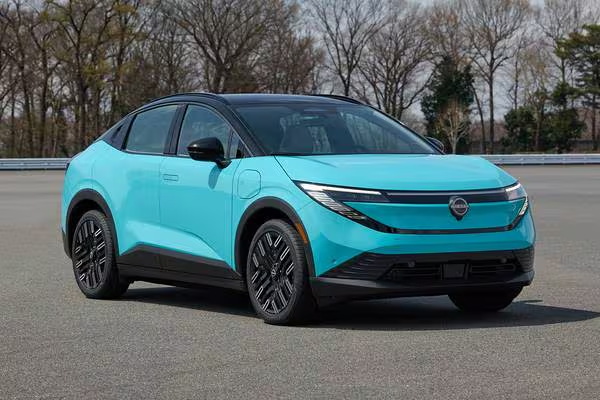
One of the most popular and affordable EVs globally, the Nissan Leaf is a compact hatchback with decent range (up to 270 km on newer models) and a proven track record. It’s practical for city driving and short commutes, making it ideal for Kampala-based drivers.
2. BYD Atto 3
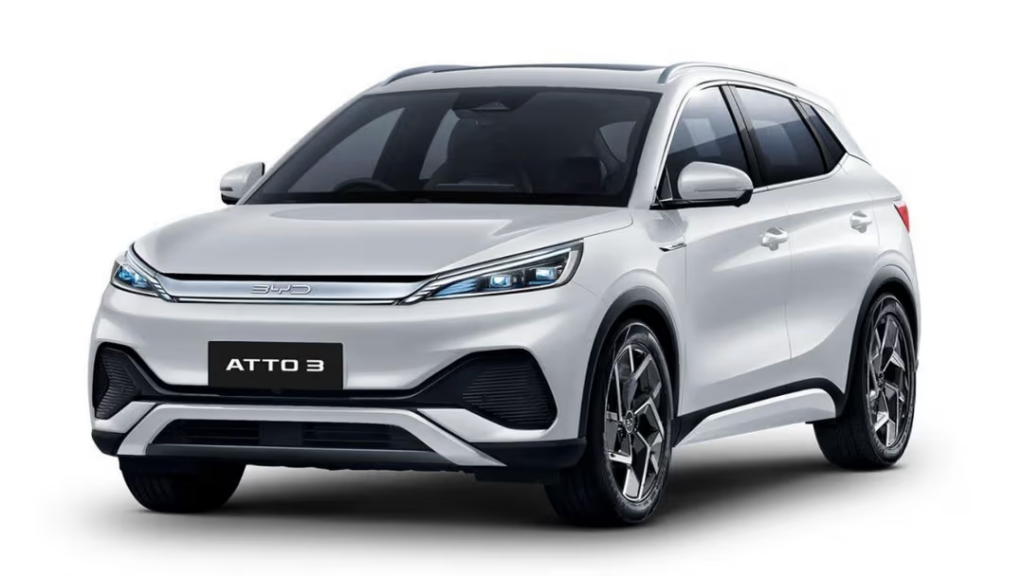
A Chinese-made SUV with a range of up to 420 km, the BYD Atto 3 offers more ground clearance than a typical hatchback EV, making it better suited for Uganda’s mixed road conditions. BYD vehicles are gaining traction across East Africa.
3. MG ZS EV
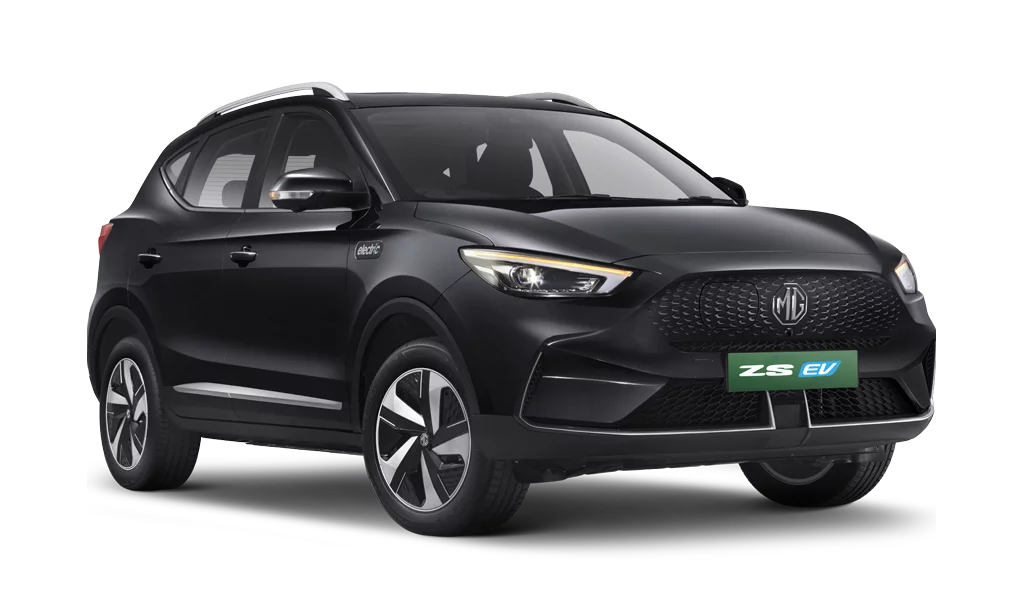
The MG ZS EV is a compact SUV that balances affordability with performance. With growing availability in East Africa and a range of around 320 km, it’s a compelling option for drivers looking for something between a city car and an off-roader.
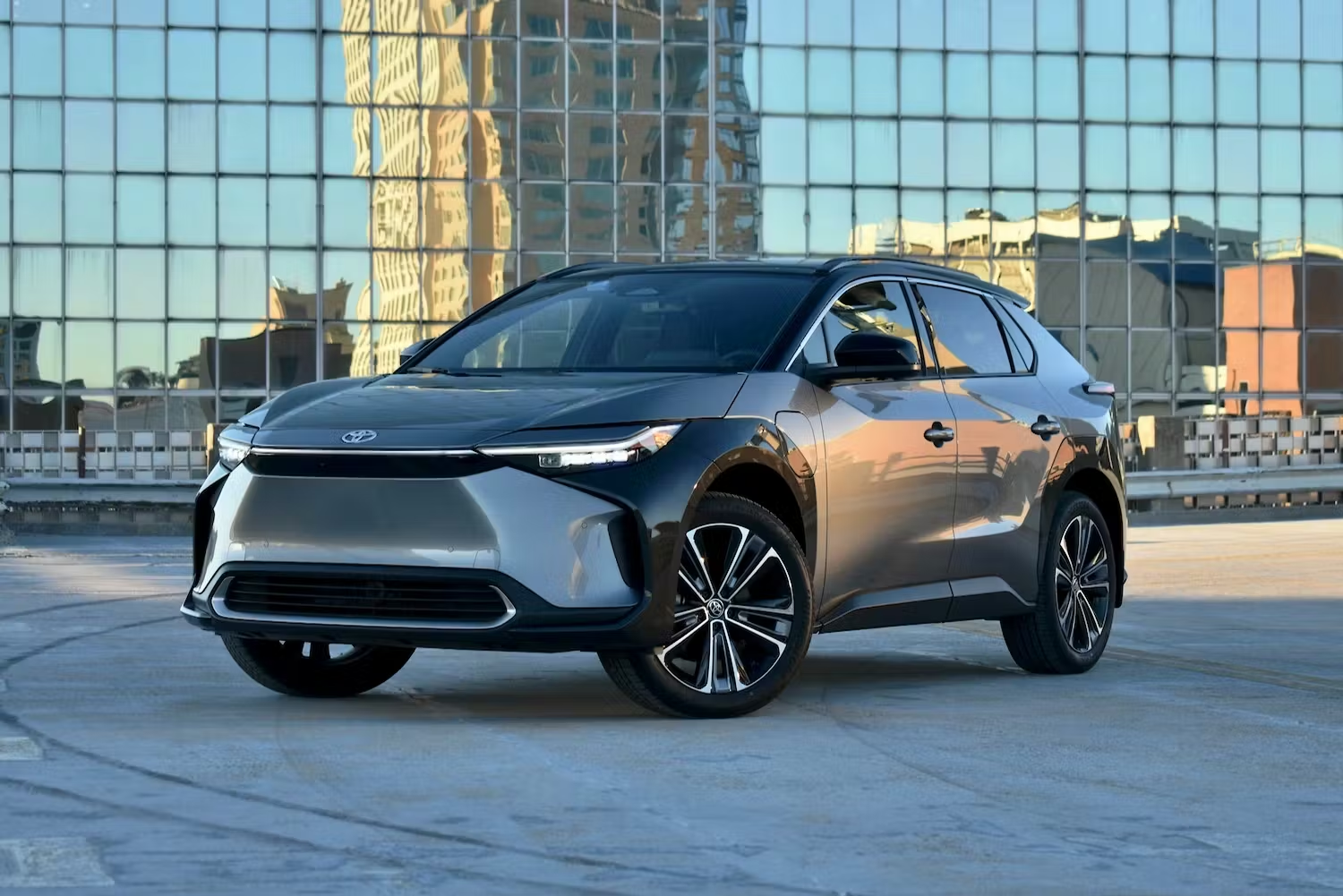
4. Toyota bZ4X
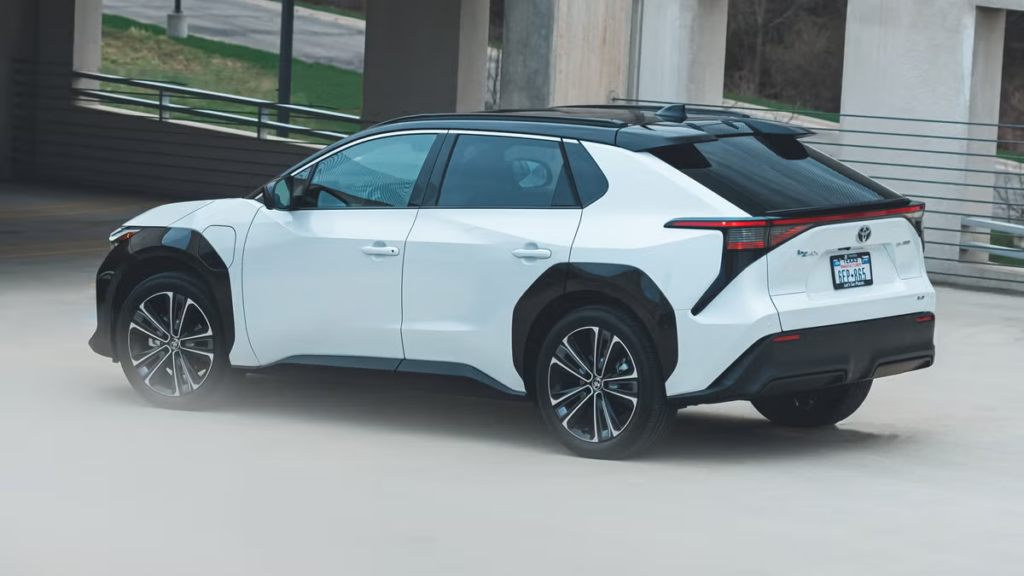
Toyota’s entry into the EV space brings the reliability and after-sales confidence that Ugandans already trust. Though still relatively new to the market, the bZ4X is a strong contender for those willing to invest in a premium EV experience.
If you’re looking to explore second-hand options or compare prices on vehicles suitable for Uganda’s driving conditions, auto24.ug is an excellent platform to browse. Whether you’re comparing EV imports or conventional vehicles, it offers a wide selection of second-hand cars with transparent listings tailored to the Ugandan market.
The Real Cost of Running an EV in Uganda
One of the biggest selling points of EVs — and a major reason Ugandans are paying attention — is the dramatic reduction in running costs.
Let’s compare:
| Petrol Car | Electric Car | |
| Fuel/Energy per 100 km | ~8 litres @ UGX 5,500 = UGX 44,000 | ~15 kWh @ UGX 800 = UGX 12,000 |
| Annual fuel cost (15,000 km) | ~UGX 6.6 million | ~UGX 1.8 million |
| Engine servicing | High | Very low (no oil changes, fewer moving parts) |
The savings are substantial. Even factoring in the higher upfront cost of purchasing an EV, many drivers recoup that premium within 3–5 years purely through fuel savings.
And if you add a solar charging setup at home? Your per-kilometre cost drops even further — potentially to near zero once the solar system is paid off.
Grid Challenges and What Needs to Change
For EVs to truly take off in Uganda, several systemic challenges need to be addressed:
Transformer Capacity
Many local distribution transformers — particularly in residential areas — were not designed to handle the additional load of multiple EV chargers running simultaneously. As EV adoption grows, UEDCL and the Rural Electrification Agency (REA) will need to invest in grid upgrades.
Smart Charging Solutions
In countries where EVs are common, utilities encourage drivers to charge during off-peak hours (typically late at night or early in the morning) when grid demand is lower. Uganda’s electricity providers could introduce time-of-use tariffs — lower rates at night — to incentivise off-peak charging and reduce grid stress.
Public Charging Networks
Investment in public fast-charging corridors along major highways (Kampala–Mbarara, Kampala–Gulu, Kampala–Fort Portal) would make long-distance EV travel practical. This is an area where both government and private sector investment is urgently needed.
Battery Swapping
An emerging concept gaining traction in countries like China and India, battery swapping stations allow drivers to exchange a depleted battery for a fully charged one in minutes — eliminating range anxiety without needing fast chargers. This model could be well-suited to Uganda’s boda-boda and taxi sectors.
EVs and Uganda’s Boda Boda Sector
No conversation about electric mobility in Uganda is complete without talking about boda bodas — the motorcycles that form the backbone of urban and rural transport across the country.
Electric boda bodas are already making a quiet entry into Uganda. Companies like Zembo and Roam (formerly Opibus) are pioneering electric motorcycle solutions designed specifically for African road conditions, with battery swapping stations and lease-to-own models that bring costs within reach of the average rider.
For a boda boda rider spending UGX 15,000–20,000 per day on fuel, switching to an electric model could cut that to UGX 3,000–5,000 in charging costs — a life-changing difference.
Importing an EV to Uganda: What You Need to Know
If you’re ready to explore making the switch, importing an EV to Uganda is more straightforward than many people think — though it does come with specific considerations around import duties, battery condition, and available service support.
For drivers looking to explore sustainable mobility, EV24.africa offers import options for electric cars, expanding choices in the Ugandan market with a curated selection of quality EVs sourced from Japan, Europe, and other markets. It’s a valuable starting point for anyone serious about going electric.
Key things to check when importing an EV include:
- Battery health (State of Health/SoH) — anything above 80% is generally acceptable
- Charging port compatibility — ensure the car supports CHAdeMO, CCS, or Type 2 (common in Uganda)
- After-sales and spare parts availability — Nissan Leaf parts are among the easiest to source currently
- Age and mileage — Uganda’s import age restriction (generally 8 years for most vehicles) applies to EVs too
For more guidance on buying used cars and navigating vehicle imports in Uganda, carkibanda.com is a trusted platform with the latest automotive news, car reviews, driving tips, and a marketplace for purchasing cars — all tailored for Ugandan drivers.
Practical Tips for EV Owners in Uganda
If you already own or are about to buy an electric vehicle in Uganda, here are some actionable tips to get the most out of it:
- Install a dedicated home EV charger — a standard socket will work, but a dedicated Level 2 charger is faster and safer. Budget around UGX 1.5–3 million for installation.
- Pair your charger with solar — invest in at least a 3 kW solar system with battery backup to ensure you can charge even during outages.
- Charge during off-peak hours — typically between 10 PM and 6 AM, when the grid is under less stress and UMEME tariffs may be lower.
- Keep your battery between 20% and 80% for daily use — this extends battery life significantly.
- Plan long-distance trips carefully — use online EV range calculators and identify any available charging points along your route before departure.
- Join online EV communities — there are active WhatsApp and Facebook groups of EV owners in Uganda who share charging tips, import advice, and service recommendations.
The Road Ahead: Uganda’s EV Future
Uganda’s government has shown growing interest in electric mobility. The National Environment Management Authority (NEMA) and the Ministry of Energy have both flagged EVs as a priority in Uganda’s clean energy transition strategy. Tax incentives, though still limited, are beginning to be discussed — and neighbouring Rwanda’s highly successful EV policies (including reduced import duties and investment in charging infrastructure) are being watched closely.
The private sector is also stirring. Local startups, international EV importers, and energy companies are all recognising that Uganda — with its young population, rapidly urbanising cities, and abundant renewable energy potential — is a market primed for electric mobility.
The grid may not be perfect today, but between solar energy, smart charging, and gradual infrastructure investment, Uganda has every ingredient it needs to make EVs work.
The question is no longer if EVs will take off in Uganda — it’s how fast.
Stay informed about the latest automotive developments, EV news, and driving tips for Uganda at automag.ug— your go-to destination for all things motoring in Uganda.