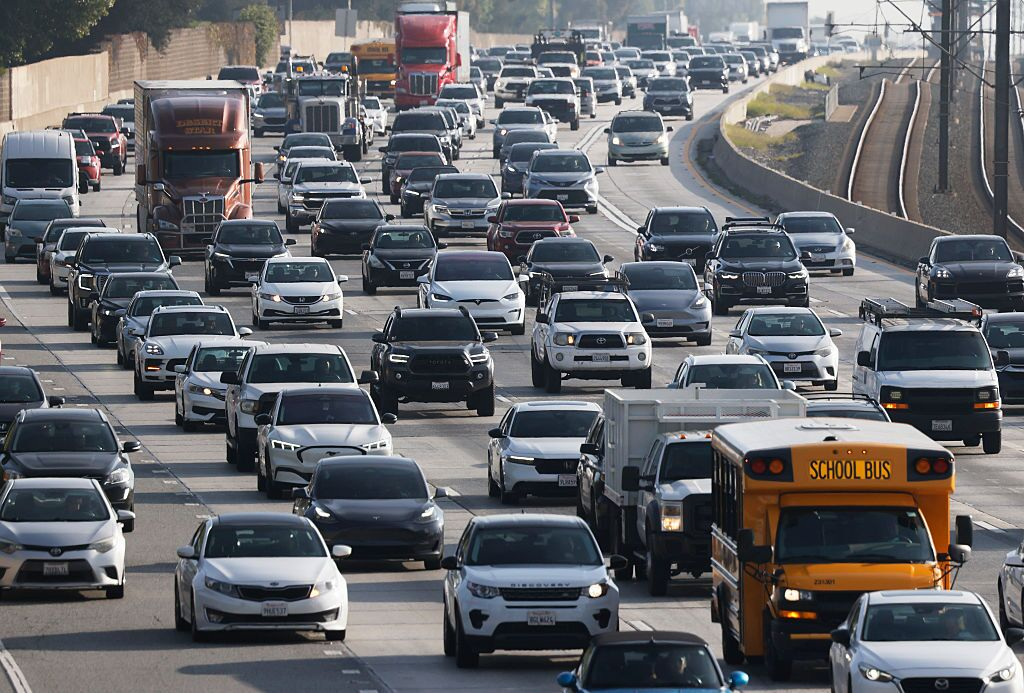
Kampala Traffic Pollution is worsened by congested roads and idling vehicles, with exhaust emissions adding nitrogen oxides, particulate matter, and other pollutants to urban air.
Uganda: Kampala’s Traffic Pollution: How Idling Cars Affect Air Quality Around Busy Roads
Kampala’s busy roads are an important part of daily life, connecting residential areas, business districts and surrounding communities. But when traffic becomes heavily congested, vehicles can spend long periods moving slowly or sitting in queues with their engines running. This creates an environmental problem alongside the familiar frustration of long journeys.
The scale of the issue has become clearer through recent vehicle-emissions testing. A 2025 study supported by UNEP measured emissions from almost 6,000 vehicles in Kampala and found that particulate-matter pollution was 12 times higher than the World Health Organization’s guideline level, while around 60% of measured emissions came from the transport sector.
Why Idling Cars Add to the Problem
An idling vehicle continues burning fuel even though it is not travelling. During a long traffic queue, this can mean repeated periods of fuel combustion without meaningful movement.
The impact is particularly relevant on heavily congested roads, where thousands of vehicles may spend significant amounts of time accelerating, stopping, and waiting. Earlier World Bank assessments of Kampala identified congestion as a contributor to increased fuel consumption and exhaust emissions, noting that reducing vehicle idling time could lower fuel waste and emissions.
For Kampala Traffic Pollution, the problem is therefore not simply the number of vehicles on the road. How those vehicles are being driven and how long they remain trapped in congestion also matters.
Older Vehicles Can Produce More Pollution
Vehicle age and condition are another important part of Kampala’s air-quality challenge. UNEP’s 2025 analysis found significant differences between vehicle types and ages. Gasoline passenger cars under eight years old recorded nitrogen-oxide emissions 5.5 times higher than the Euro 4 limit used for comparison. The study also found that Kampala’s minibus taxis averaged 25 years of age, with their measured NOx emissions more than nine times the Euro 4 limit.
These findings show why simply replacing individual components or reducing idle time cannot solve the entire problem. Regular inspection, proper maintenance, and cleaner vehicle standards are also important.
Busy Roads Can Concentrate Exhaust Pollution
Pollution from traffic is particularly noticeable around busy junctions, commercial areas and major road corridors where vehicles repeatedly stop and start.
UNEP reports that Uganda’s National Environment Management Authority attributes nearly 60% of nitrogen dioxide exhaust emissions in Kampala to vehicles. The city also relies heavily on used private cars, motorcycles, and minibuses, creating a diverse fleet with very different emission characteristics.
This makes Kampala Traffic Pollution an urban-planning issue as well as a vehicle-maintenance issue. Improving traffic flow can potentially reduce the amount of time vehicles spend stationary or moving at very low speeds.
Traffic Flow Can Influence Fuel Consumption
When traffic moves smoothly, vehicles generally spend less time waiting at junctions and crawling through queues. Poor traffic flow can have the opposite effect, forcing drivers to repeatedly accelerate and brake.
World Bank assessments of Kampala road projects have previously identified improved traffic flow and reduced vehicle idling as potential ways to reduce fuel consumption and exhaust emissions.
This means road improvements can have an environmental benefit when they genuinely reduce congestion rather than simply shifting traffic problems to another location.
For drivers, basic habits can also help. Avoiding unnecessary engine idling when safely possible, maintaining steady speeds where traffic allows, and keeping the engine properly serviced can reduce wasted fuel.
Vehicle Maintenance Matters
A poorly maintained vehicle can produce more emissions than one operating correctly. Problems involving the engine, fuel system, exhaust system, or emissions-control equipment can increase pollutants.
UNEP’s Kampala findings highlighted possible links between high emissions and factors including poor maintenance, low-quality spare parts and limited mechanical training. The study recommended stronger routine vehicle inspections and better maintenance.
For car owners, this makes regular servicing an environmental measure as well as a reliability measure. Checking the engine, exhaust system, air filter, and other relevant components can help keep the vehicle operating efficiently.
Reducing Pollution Requires More Than Turning Off Engines
Reducing Kampala Traffic Pollution will require several measures working together. Uganda has adopted Euro 4 emission standards for imported vehicles, while UNEP has recommended stronger enforcement, routine inspections, and a transition toward cleaner vehicle standards.
Public transport also has an important role. If reliable public transport can move more people using fewer individual vehicles, pressure on congested roads could decrease. Better walking and cycling infrastructure can provide additional alternatives for shorter journeys.
These measures can complement improvements to road design and traffic management.
What Drivers Can Do During Traffic Jams
Individual motorists cannot control Kampala’s overall traffic volume, but they can reduce unnecessary fuel use. Drivers can switch off engines during longer stationary periods when it is safe and appropriate, avoid aggressive acceleration between queues, and keep vehicles properly maintained.
Drivers should also avoid deliberately using poorly maintained vehicles simply because they remain operational. A vehicle that consumes excessive fuel or produces visible smoke may need mechanical attention.
Car owners looking for vehicles suited to Uganda’s changing urban environment can also explore options throughAfriCarGroup Auto24.
Conclusion
Kampala Traffic Pollution is closely connected to congestion, vehicle condition, fleet age, and the amount of time cars and other vehicles spend on busy roads. Recent real-world testing has provided stronger evidence of the scale of vehicle emissions in the capital, while highlighting the importance of inspections, maintenance and cleaner vehicle standards.
Reducing unnecessary idling can help cut wasted fuel and emissions, but it is only one part of the solution. Better traffic management, cleaner vehicles, effective public transport and stronger enforcement can all contribute to cleaner air around Kampala’s busiest roads.
What do you think would make the biggest difference to Kampala’s traffic pollution: reducing vehicle idling, improving public transport, or introducing stricter vehicle inspections? Share your thoughts in the comments.