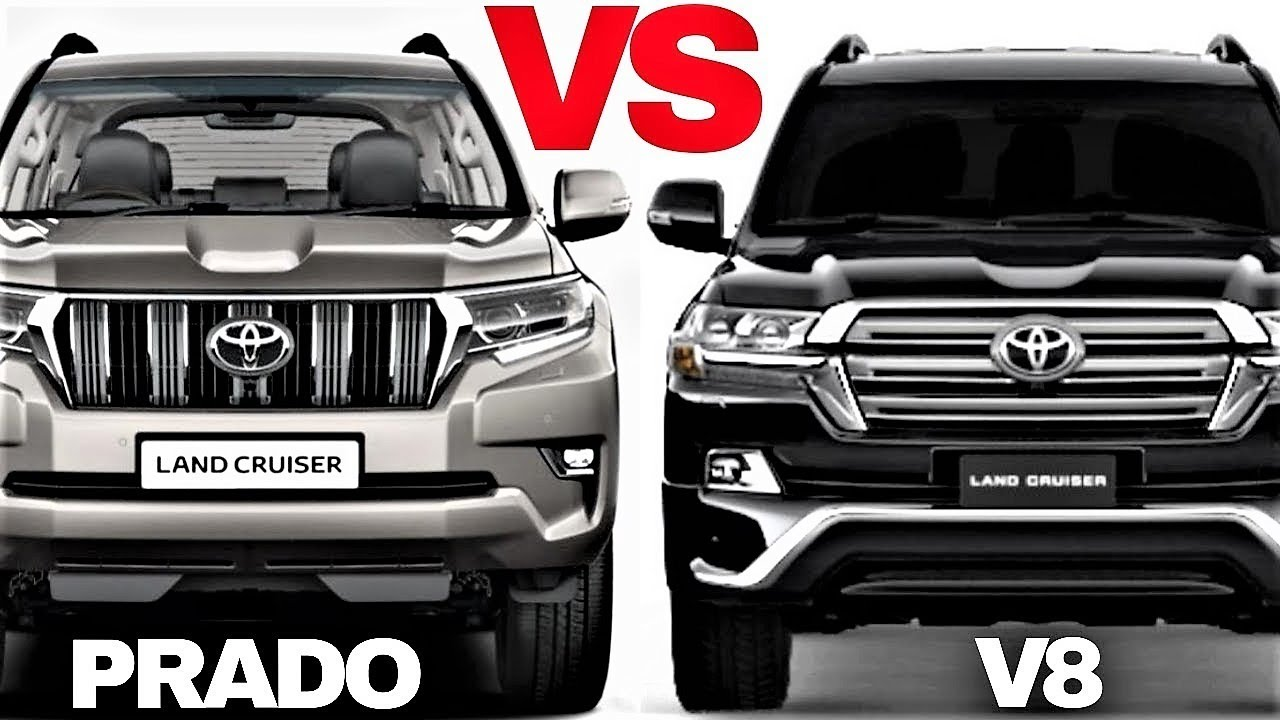
Choosing between the Toyota Land Cruiser and Prado for Uganda safaris? Compare space, cost, off-road ability, and family comfort in this practical guide.
Family SUVs for Ugandan Safaris: Land Cruiser vs. Prado
There’s a reason almost every safari vehicle you spot heading toward Murchison Falls, Queen Elizabeth, or Bwindi wears a Toyota badge. Uganda’s roads demand a vehicle that can handle muddy tracks, steep inclines, and long, dusty stretches without complaint, all while keeping a car full of kids, grandparents, and cooler boxes comfortable along the way. Two names dominate that conversation: the Toyota Land Cruiser and the Toyota Land Cruiser Prado.
They share a badge, a reputation, and a family resemblance, but they’re built for slightly different journeys. If you’re planning family safaris, weekend getaways, or simply want one SUV that can do it all, here’s a genuinely practical breakdown to help you choose.
Same Family, Different Personalities
Think of the Land Cruiser as the older, heavier-duty sibling, and the Prado as the more agile, everyday-friendly one. The full-size Land Cruiser is Toyota’s flagship, built on a rugged body-on-frame platform with serious towing capacity, higher torque engines (including V8 diesel and petrol variants in older imports), and a physical presence that commands space on the road, and in your garage.
The Prado shares the same off-road DNA and body-on-frame construction, but in a notably smaller, lighter package. It typically runs a 2.7L petrol or 2.8L turbo-diesel engine, comes equipped with Toyota’s Multi-Terrain Select system for different surfaces like mud, sand, and rock, and trades a bit of raw power for better manoeuvrability and lower running costs.
Car care tip: Whichever model you choose, always ask for full maintenance records when buying used. Both are commonly imported from Japan, the UAE, and the UK, and service history tells you far more about long-term reliability than mileage alone.
Space and Comfort for Family Travel
For families packing kids, grandparents, and a week’s worth of safari gear, interior space matters as much as engine specs.
The Land Cruiser offers genuinely spacious three-row seating with a properly usable third row, generous boot space even with all seats occupied, and a cabin that feels substantial from the driver’s seat. It’s the better choice for larger families or groups traveling together over long distances.
The Prado also offers a seven-seat configuration in most trims, but the third row tends to suit children or shorter trips better than adults on a long haul. Where it wins back points is manoeuvrability. Its smaller footprint makes it noticeably easier to navigate Kampala’s congested streets, tight parking areas, and narrow trading-center roads compared to the full-size Land Cruiser.
Car care tip: If you regularly carry a full load of passengers and luggage, check tyre pressure against the manufacturer’s loaded-vehicle specification, not just the standard figure. Both SUVs handle weight well, but underinflated tyres under a full family load wear unevenly and can affect handling on gravel roads.
Off-Road Capability: Where the Land Cruiser Pulls Ahead
Uganda’s national park roads are unpredictable. Murram turns to mud in the rains, ruts deepen near river crossings, and steep sections near places like Mount Elgon or the Kigezi highlands test any vehicle’s traction.
Both SUVs come with full-time four-wheel drive, locking differentials, and low-range transfer cases, and both will comfortably handle the vast majority of roads leading into Uganda’s national parks. Where the Land Cruiser distinguishes itself is in the most extreme conditions: deep mud, steep rocky inclines, and river crossings, where its heavier-duty drivetrain and higher torque, especially in V8 variants, give it a genuine edge.
For the overwhelming majority of family safari routes in Uganda, though, the Prado’s Multi-Terrain Select and Crawl Control systems handle rough tracks with real confidence, which is exactly why it has become the standard safari rental vehicle across the country.
Car care tip: Before any national park trip, test your 4WD engagement and differential locks in a safe, controlled area rather than discovering a fault mid-trip. Systems that sit unused for months can develop issues that only show up when you actually need them.
Running Costs: Fuel, Maintenance, and Long-Term Value
This is often the deciding factor for Ugandan families weighing these two SUVs.
The Land Cruiser’s larger engines, particularly V8 variants, come with noticeably higher fuel consumption and generally higher servicing costs, especially for older imports with more complex engine management systems. It remains an excellent long-term investment for buyers who need maximum capability and don’t mind the running costs that come with it.
The Prado’s smaller engine delivers meaningfully better fuel economy, which adds up quickly over regular family trips and long safari drives. Because it’s so widely used across East Africa’s safari and rental industry, spare parts are easy to find and most Ugandan mechanics, even in smaller upcountry towns, know the model intimately, which keeps repair costs and downtime lower.
Car care tip: For diesel variants of either SUV, stick closely to fuel filter and injector service intervals. Uganda’s fuel quality can vary outside major towns, and diesel injection systems are particularly sensitive to contamination over time.
Pricing in Uganda: What to Expect
Used Land Cruisers in Uganda span a wide range depending on generation, engine, and trim, from around UGX 20–50 million for older, higher-mileage units, up to UGX 150–450 million or more for late-model V8 and LC300 variants with low mileage and full options.
The Prado sits in a somewhat more accessible bracket for most buyers, with used units commonly available from around UGX 40–80 million, while the latest Prado models (2024 onward) can run UGX 300–365 million or more depending on specification. For most Ugandan families cross-shopping these two, the Prado tends to offer the sweet spot between genuine off-road capability and manageable ownership costs.
To find second-hand cars suitable for these conditions, check out auto24.ug, where certified listings include inspected Land Cruiser and Prado units, giving you a more reliable starting point than an unverified private sale.
If you’d like to compare a wider pool of listings directly from sellers, carkibanda.com is another dependable platform for buying a car in Uganda, alongside driving tips and reviews tailored to local road conditions.
For drivers looking to explore sustainable mobility, EV24.africa offers import options for electric cars, expanding choices in Uganda’s growing EV market, even as these two diesel and petrol stalwarts remain the backbone of family safari travel for now.
Making the Right Choice for Your Family
If your safaris regularly take you into the most demanding terrain, deep mud, steep climbs, remote river crossings, and you need maximum towing and hauling capability for a larger group, the Land Cruiser remains the more capable long-term choice, provided you’re comfortable with the higher running costs that come with it.
If you want a genuinely capable safari SUV that’s easier to live with day-to-day, more affordable to fuel and maintain, and just as trusted by tour operators across Uganda, the Prado is very likely the smarter fit for most families.
Final Thoughts
Both the Land Cruiser and the Prado have earned their reputation the hard way, through decades of proven performance on exactly the kind of roads Uganda throws at them. There’s no wrong choice here, only the right one for your family’s size, budget, and travel style.
For more SUV comparisons, safari travel guides, and maintenance tips built for Ugandan drivers, discover additional resources on automag.ug.
Which one would carry your family better on Uganda’s roads: the mighty Land Cruiser or the versatile Prado?