Uganda’s automotive sector is evolving fast. As global trends shift towards cleaner mobility, the Ugandan government is stepping up efforts to support electric vehicle (EV) adoption through new tax policies, age restrictions, and incentives designed to make EV ownership more affordable and practical.
If you’re planning to import an EV in 2025, understanding these policies can help you save money, avoid unnecessary delays, and make the most of the available benefits.
Why Uganda Is Encouraging Electric Vehicle Adoption
The growing push for electric mobility in Uganda is driven by several key factors:
- Reducing fuel import costs: Uganda imports most of its petroleum products, making the economy vulnerable to global oil price fluctuations.
- Environmental goals: EVs produce zero tailpipe emissions, helping reduce urban air pollution and carbon emissions.
- Technological advancement: More EV models are becoming affordable and accessible through international import channels.
The government’s policy focus in 2025 reflects this shift, making it easier for individuals and businesses to bring in EVs and supporting a greener transportation system.
To keep up with the latest EV developments, visit automag.ug for news, reviews, and practical driving tips tailored for Ugandan motorists.
Import Taxes and Duty Exemptions for EVs in 2025
One of the most attractive aspects of importing an EV in Uganda today is the reduced tax burden.
According to the current 2025 framework:
- Import duty on fully electric vehicles is significantly lower than that of petrol or diesel cars.
- EVs may benefit from zero excise duty and reduced VAT, depending on the vehicle type and battery capacity.
- The government offers tax waivers for commercial EV fleets, especially for transport operators and logistics companies adopting green solutions.
Example: Importing an electric SUV or sedan can now cost considerably less in taxes compared to a petrol equivalent of the same model year.
For those looking to explore affordable EV import options, EV24.africa provides access to various international EV brands and handles the logistics of bringing them to Uganda.
Age Limits for Electric Vehicle Imports
Uganda’s 2025 import policy also includes age restrictions to maintain vehicle quality and reduce environmental impact.
- The maximum import age for EVs is 8 years from the date of manufacture.
- Vehicles older than 8 years may attract additional inspection requirements or may not be eligible for import approval.
- Brand-new and nearly new EVs are prioritized under current import guidelines to ensure better performance and battery life.
This is a shift from the more lenient rules applied to petrol and diesel vehicles, which can often be imported up to 15 years old. It’s designed to build a cleaner, more efficient national vehicle fleet.
Additional Incentives and Government Support
In addition to tax reductions and favorable import rules, the Ugandan government is rolling out incentives to make EV ownership more practical:
- Reduced registration fees for EVs compared to traditional vehicles.
- Encouraged investment in charging infrastructure, particularly in urban centers like Kampala, Entebbe, and Jinja.
- Corporate incentives for companies investing in EV fleets, including potential tax rebates.
Some government programs also aim to support local assembly and battery recycling initiatives, creating jobs and strengthening the EV ecosystem.
Tip: Keep your EV well-maintained to extend its battery life. Regular battery checks, avoiding overcharging, and scheduling periodic servicing with EV-certified technicians can keep your vehicle performing optimally for years.
Where to Find EVs and Second-Hand Vehicles in Uganda
Ugandan buyers now have a growing number of platforms to explore EV and hybrid options:
- auto24.ug lists a wide range of second-hand vehicles, including Toyota RAV4, Nissan Leaf, and Hyundai Kona Electric, all suitable for Ugandan driving conditions.
- EV24.africa focuses on importing brand-new and used EVs from international markets, providing Ugandan buyers with more choice.
- carkibanda.com offers up-to-date automotive news and vehicle listings, helping drivers stay informed before making a purchase decision.
If you’re considering your first EV, starting your search on these platforms can give you a clear sense of market prices, popular models, and financing options.
Preparing for EV Ownership: What First-Time Buyers Should Know
Transitioning from a petrol or diesel car to an EV involves a few key lifestyle adjustments:
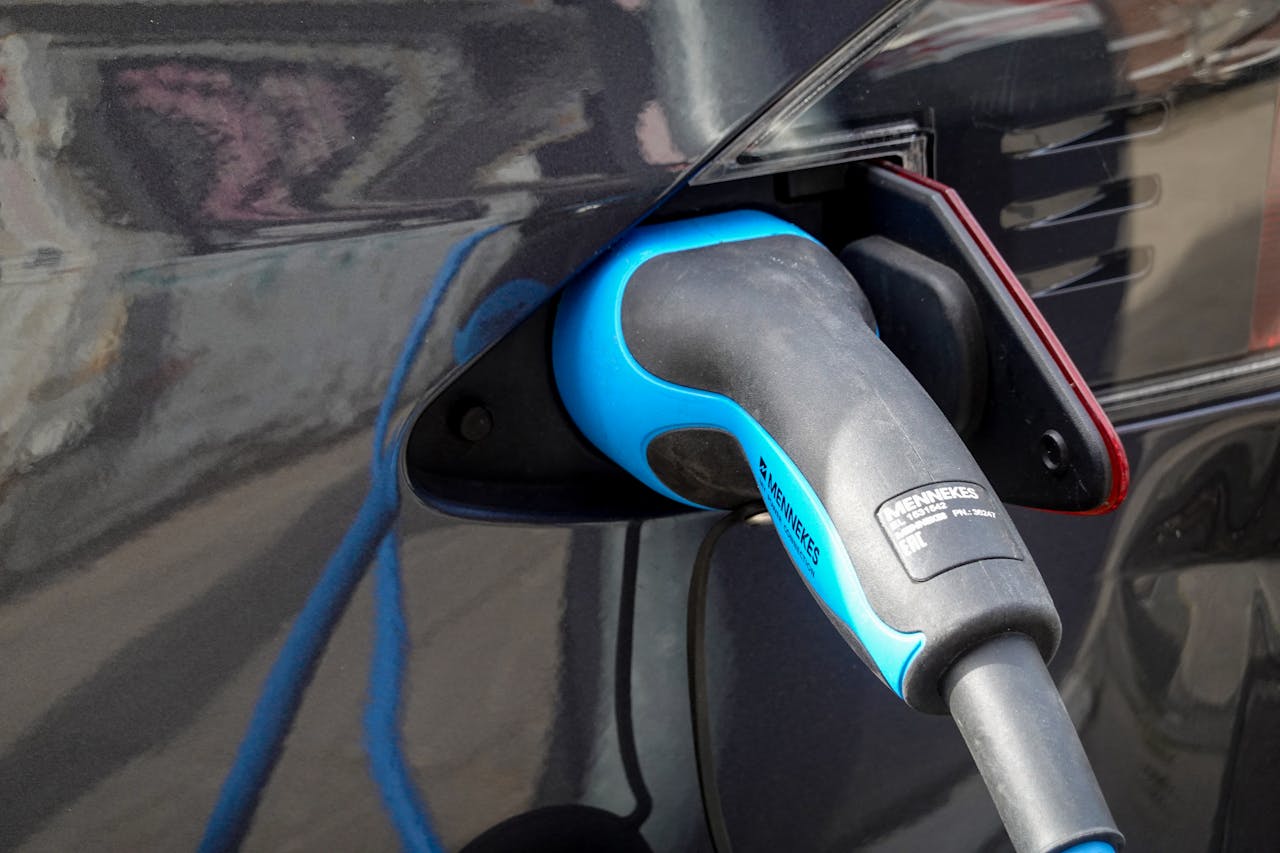
- Charging: Most EV owners in Uganda install home charging units. For long trips, plan ahead to ensure charging station availability.
- Battery Care: Keep your battery between 20% and 80% charge for better long-term performance.
- Insurance: Some insurers now offer EV-specific coverage packages. Compare rates before purchasing.
For more practical EV tips, read more here on automag.ug.
The Future of EV Policies in Uganda
Uganda’s 2025 EV import policy is just the beginning. Over the coming years, more infrastructure investments and policy enhancements are expected, including better road networks, incentives for solar-powered charging, and potential public transport electrification.
This creates an exciting opportunity for Ugandan drivers to embrace sustainable mobility while saving on long-term costs.
Final Thoughts
Uganda’s updated EV import policies make it easier and cheaper to own an electric vehicle. With reduced taxes, clear age limits, and growing incentives, 2025 is a promising year for anyone looking to make the switch.
Whether you want to import an EV through EV24.africa, buy a second-hand model from auto24.ug, or stay informed through carkibanda.com, now is the time to explore the benefits of sustainable driving.