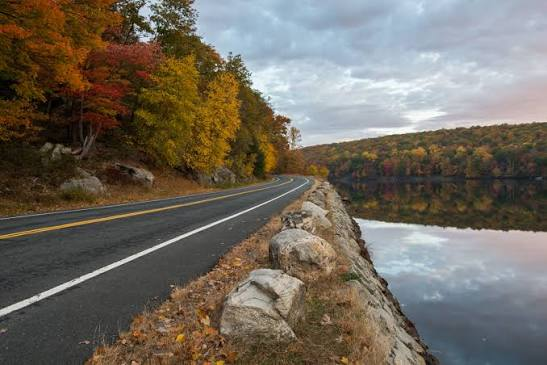
Lake Bunyonyi Driving takes motorists through Uganda’s steep Kigezi hills, winding roads, terraced farmland and spectacular views across the island-dotted lake.
Driving Around Lake Bunyonyi: Uganda’s Island-Dotted Highland Landscape
A Lake Bunyonyi Driving excursion offers one of Uganda’s most distinctive highland road experiences. Located in the Kigezi region of southwestern Uganda, Lake Bunyonyi is surrounded by steep cultivated hills and dotted with numerous small islands. Reaching the lake by car means navigating a landscape very different from Uganda’s flatter highways and major urban roads.
For motorists, the journey is as much about handling hills and changing road surfaces as it is about enjoying the scenery.
Check the Car Before Entering the Hills
Before starting your Lake Bunyonyi Driving excursion, inspect the tyres, brakes, suspension, coolant, engine oil and lights. The steep terrain places additional demands on brakes and tyres, particularly on descents.
A spare tyre, jack and basic recovery equipment are also useful. If you intend to leave the main access road and explore smaller tracks around the lake, make sure the vehicle has suitable ground clearance.
It is also sensible to check weather conditions before setting out, especially during the rainy season.
Expect Steep and Winding Roads
The approach from Kabale to Lake Bunyonyi involves mountainous terrain, narrow sections and tight curves. Uganda’s national planning documents identify the Kabale–Lake Bunyonyi road as a challenging route because of its mountainous terrain, narrow width and tight curves, with rainy-season landslides adding another potential hazard.
Current road-upgrade works have also experienced significant delays. In August 2026, the government reported that construction remained substantially behind schedule and that deteriorating sections could become more difficult during the rainy season.
Slow Down on the Descents
The hills around Bunyonyi reward careful driving rather than high speeds. Use a lower gear on longer descents to help control the vehicle and reduce continuous brake use.
Give approaching vehicles plenty of room on narrow bends. Avoid overtaking near blind corners, and be particularly careful around pedestrians, motorcycles and agricultural traffic.
Follow the Road Toward the Lake
The Lake Bunyonyi Driving experience becomes increasingly scenic as the road climbs and descends through the Kigezi highlands. Terraced fields, green hills and scattered homes create a constantly changing view.
Once you reach the lake area, several roads and tracks provide access to viewpoints, accommodation and lakeshore areas. Some secondary routes are unpaved, so drivers should reduce speed rather than assuming every road can be handled like the main highway.
A higher-clearance vehicle can be useful when exploring these smaller roads, particularly after rain.
Stop at the Viewpoints
One of the biggest rewards of driving around Lake Bunyonyi is seeing the lake from above. The combination of deep blue water, steep green hills and scattered islands creates excellent viewpoints along the surrounding ridges.
Park completely off the road before taking photographs. On steep sections, engage the parking brake properly and leave the vehicle in gear where appropriate.
The lake itself provides plenty of opportunities to continue the excursion after parking. Canoeing and boat trips allow visitors to explore areas that cannot be reached by car.
Respect the Changing Road Conditions
Drivers should not assume that road conditions around Bunyonyi are identical throughout the year. Rain can make unpaved sections slippery, while road construction can create temporary diversions or rough surfaces.
The Kabale–Lake Bunyonyi road upgrade was intended to improve access to the tourism area, but reports in 2026 have highlighted suspended or slow-moving construction and deteriorating existing sections.
Before setting out, ask local accommodation providers about the condition of the specific road you intend to use.
Choose a Car for the Terrain
A Lake Bunyonyi Driving excursion on the main approach does not automatically require a heavy 4×4. A well-maintained car can handle suitable sections when conditions are favourable.
However, an SUV or 4×4 becomes more practical if the itinerary includes steep secondary tracks, muddy surfaces or remote viewpoints. Good tyres, adequate ground clearance and reliable brakes are more important than simply choosing the largest vehicle.
For motorists comparing vehicles for Ugandan highland excursions,AfriCarGroup Auto24 can also be useful when exploring different vehicle options.
Take Time to Explore the Islands
Lake Bunyonyi is not an attraction that needs to be experienced entirely from behind the steering wheel. Once the vehicle is safely parked, visitors can continue by canoe or boat to explore the lake and its islands.
The combination of a scenic highland drive and time on the water makes the excursion particularly different from a conventional Uganda road trip.
Conclusion
A Lake Bunyonyi Driving excursion combines winding mountain roads, terraced hills, lakeside communities and spectacular views across an island-dotted landscape. The route currently requires extra attention because access-road improvement works have faced delays and some sections can become more difficult during wet weather.
With a properly maintained vehicle, controlled downhill driving, careful route planning, and enough time for stops, Lake Bunyonyi can deliver one of Uganda’s most memorable highland driving experiences.
Would you explore Lake Bunyonyi in a normal car, SUV, or 4×4? Tell us which vehicle you would choose for Uganda’s steep highland roads in the comments.