Defensive driving in Kampala isn’t optional — it’s survival. Here’s how to handle boda bodas, jams, and rain without losing your mind (or your bumper).
Defensive Driving in Kampala: Surviving City Traffic
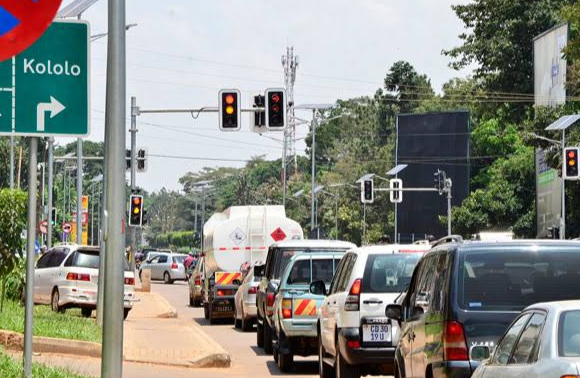
Nobody teaches you this in driving school, but defensive driving in Kampala is really its own subject. You can have a spotless license and still get boxed in at Clock Tower by three boda bodas, a matatu conductor hanging off the door, and a truck that clearly doesn’t believe in mirrors. Surviving Kampala traffic isn’t about who has right of way on paper — it’s about staying calm, staying alert, and knowing the city’s unwritten rules.
Here’s how to actually do it, step by step.
1. Accept That Boda Bodas Move Differently
Boda bodas don’t drive like cars, and expecting them to will only frustrate you. They filter through impossible gaps, ride the wrong way down one-way streets, and stop without warning to grab a passenger. This isn’t recklessness so much as a survival style built for these roads. Your job is simple: assume one could appear from anywhere, especially at junctions and roundabouts, and never assume eye contact means they’ve seen you.
2. Enter the Road With Confidence, Not Aggression
At unmarked junctions, hesitation gets you stuck for ages. Ugandan drivers generally expect you to nose in firmly once there’s a gap — but firm is not the same as reckless. Move deliberately, keep your speed low, and be ready to brake. The goal is to keep traffic flowing safely, not to “win” the junction.
3. Respect the Hooting Culture
Kampala hoots for everything — a slow driver, a green light, a boda boda cutting close. It sounds aggressive to newcomers, but it’s mostly communication, not confrontation. Don’t take it personally, and use your own horn early rather than braking hard, especially in blind spots near markets and taxi stages.
4. Slow Down the Moment Rain Starts
Uganda’s rainy seasons turn already-rough tarmac into a hazard zone. Potholes fill with water and hide their true depth, drainage is patchy in many parts of the city, and visibility drops fast in a downpour. Boda boda numbers on the road actually increase in the rain as people avoid walking — so slow down, widen your following distance, and expect more erratic movement around you, not less.
5. Watch for Uganda’s Everyday Road Mix
Beyond boda bodas, expect pedestrians crossing mid-road, hawkers weaving between stopped cars in jams, and the occasional livestock on routes heading out of the city. This mix is heaviest on arteries like Jinja Road and around the CBD, where downtown areas such as Kampala Road and Owino get so congested that even experienced drivers often park at the edge and walk or hop on a boda for the final stretch.
6. Keep Your Car Ready for the Chaos
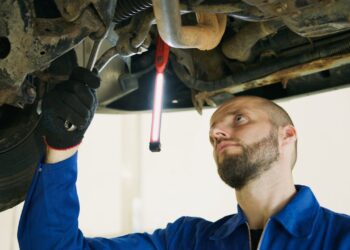
Defensive driving isn’t just about how you handle other road users — it’s also about your car handling Kampala’s dust, heat, and stop-start traffic. Regular brake checks matter more here than on quieter roads, since Toyotas and Nissans (Uganda’s most common everyday cars) take a beating from constant braking in jams. If your current car is struggling with the daily grind, auto24.ug is a solid place to browse tougher, well-maintained second-hand options built for city driving.
Will an Automatic or Electric Car Make Traffic Easier?
Genuinely, yes — an automatic gearbox takes real fatigue out of stop-start Kampala jams, which is part of why electric and hybrid vehicles are drawing interest here despite import costs. If that’s on your radar, EV24.africa is worth considering for sustainable mobility options tailored to Ugandan drivers. For more information on navigating Uganda’s roads safely, visit automag.ug regularly for practical driving guidance tailored to local conditions.