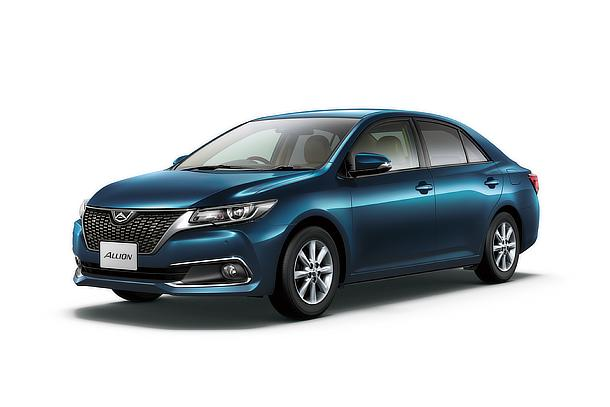
Buying a car in Uganda often comes down to one question that matters more than horsepower or looks: Will it survive our roads? Between Kampala’s traffic, upcountry murram roads, and the odd flooded pothole after a heavy downpour, a car needs to be tough, easy to fix, and cheap to keep running. The good news is that Uganda’s used car market — dominated by Japanese imports — is full of models that tick all three boxes. Here’s a look at some of the best used cars for Ugandan buyers who want durability and long-term value, not just a good-looking logbook photo.
Why Japanese Used Cars Dominate Uganda’s Roads
Japan supplies the majority of Uganda’s second-hand vehicle stock, and it’s easy to see why. These cars are generally well-built, mechanically simple compared to their European counterparts, and — most importantly for Ugandan owners — supported by a mature local parts and repair ecosystem. Mechanics in Kampala, Jinja, Mbarara, and beyond have years of hands-on experience with Toyota, Subaru, Honda, and Nissan models, which keeps labour costs low and repair turnaround fast.
Top Picks for Durability and Everyday Value
Toyota Corolla — The Dependable All-Rounder
The Corolla remains a staple on Ugandan roads, prized for its low maintenance costs and impressive fuel efficiency. It’s not built for rough off-road terrain, but it handles moderate murram roads and daily city driving with ease, and genuine or Japan-used spare parts are some of the easiest to find in the country. If you want a car that simply keeps going without draining your wallet, this is one of the safest bets available.
Toyota Premio — The Executive-Feel Sedan
Particularly the 2008–2015 second-generation models, the Premio has built a reputation for being both comfortable and unshakeably reliable. Its 1.5-litre and 1.8-litre engines deliver strong fuel economy, and because so many are on the road already, spare parts are plentiful and inexpensive — a big reason the Premio holds its resale value so well.
Toyota RAV4 — SUV Practicality Without the Bulk
The RAV4 strikes a rare balance: enough ground clearance and power for rough roads, but compact enough to squeeze through Kampala’s tighter streets. Older XA30-generation models (2006–2012) with 2.0L or 2.4L engines are especially popular for their spacious interior and available four-wheel drive, while newer hybrid variants push fuel economy even higher for buyers willing to spend more upfront.
Toyota Land Cruiser Prado — Built for Uganda’s Toughest Roads
If your routes regularly take you off the tarmac, the Prado is hard to beat. With generous ground clearance, a rugged suspension setup, and dependable 2.7L or 4.0L engines, it’s engineered to absorb the punishment of unpaved and pothole-riddled roads. It carries a higher price tag than most sedans, but its long-term durability and strong resale value make it a genuine investment rather than just an expense.
Subaru Forester — AWD Confidence at a Fair Price
The Forester, especially 2011–2015 models, is a favorite for drivers who want SUV capability without SUV pricing. Its symmetrical all-wheel drive gives it strong traction on wet or uneven roads, and local service centers — particularly around Kampala’s Kawempe spare parts market — are well equipped to handle repairs, keeping ownership costs reasonable even if Subaru parts run slightly pricier than mainstream Toyota equivalents.
Toyota Vitz — The Budget Champion
For buyers prioritizing low running costs above all else, the Vitz (2008 onwards models) is tough to top. Its small 1.0L or 1.3L engine sips fuel, its mechanical simplicity means fewer things to go wrong, and Toyota’s extensive service network makes parts both easy to find and affordable. It’s an ideal first car or dependable city runabout.
Toyota Harrier — Comfort Meets Reliability
For buyers who want an elevated, more premium driving experience without stepping into European price territory, the Harrier delivers a spacious, comfortable ride backed by typical Toyota reliability. Maintenance is manageable, and parts availability across Uganda remains strong.
What to Check Before You Buy
No matter which model catches your eye, a few due diligence steps will save you money and stress down the line:
- Verify the vehicle history. Request import documents and mileage records — altered odometer readings are a known issue in the used import market.
- Get an independent mechanical inspection. Don’t rely solely on the seller’s word; have a trusted mechanic check the engine, transmission, suspension, and electrical systems before you commit.
- Check parts availability locally, not just online — some rarer trims or imported variants can be surprisingly hard to source parts for, even within a popular model line.
- Confirm compliance with Uganda’s import age restrictions if you’re buying a freshly imported unit, since regulations on vehicle age continue to evolve.
- Budget for total cost of ownership, not just the purchase price — factor in insurance, routine servicing, and fuel consumption based on your typical driving distance.
Practical Care Tips to Maximize Durability
- Stick to a regular service schedule — oil changes, filter replacements, and fluid checks every 5,000–10,000 km go a long way toward preventing costly breakdowns.
- Inspect suspension components often, especially if you frequently drive on murram or rural roads, since these absorb the most punishment.
- Rotate and balance tyres regularly to extend their lifespan and maintain safe handling on uneven surfaces.
- Use genuine or reputable Japan-used spare parts where possible — cheaper counterfeit parts often cost more in the long run through repeat failures.
- Keep an eye on rust-prone areas like wheel arches and the underbody, particularly for cars that have seen heavy rainy-season use.
Where to Find These Cars in Uganda
To find second-hand cars suitable for these conditions, check out auto24.ug, where you’ll find listings for popular, durability-tested models like the Toyota Premio, Subaru Forester, and Toyota RAV4 already available locally — a convenient alternative to navigating the import process yourself. carkibanda.com is another solid option worth browsing, offering a wide range of both local and foreign-used listings alongside helpful buying guides.
For drivers looking to explore sustainable mobility, EV24.africa offers import options for electric cars, expanding the choices available to Ugandan buyers who want to factor lower running costs and reduced emissions into their next purchase.
And for more buying guides, maintenance tips, and reviews tailored specifically to Ugandan road conditions, automag.ug is well worth bookmarking. Read more here on model-specific reviews to help narrow down your shortlist even further.
Final Thoughts
Durability and value in Uganda’s used car market almost always come back to the same names — Toyota, Subaru, Nissan, Honda — because their combination of mechanical simplicity, strong resale value, and widespread parts availability keeps ownership costs predictable. Whether you’re after a budget-friendly hatchback for city commuting or a rugged SUV for upcountry travel, doing your homework on history, inspection, and maintenance will ensure your used car investment pays off for years to come.