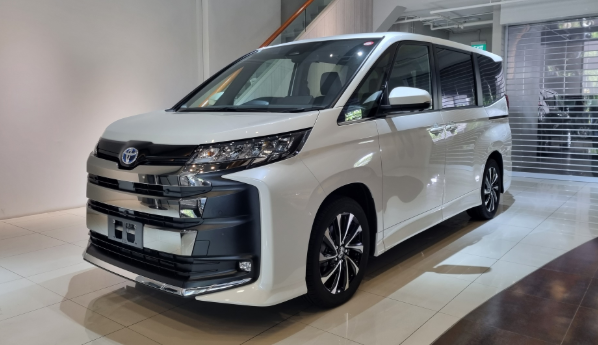
If you’ve driven around Kampala, Mbarara, or Gulu for even a day, chances are you’ve spotted a Toyota Noah gliding past — often packed with kids, groceries, and a couple of jerrycans in the boot. The Noah has quietly become one of the most trusted family vehicles on Ugandan roads, and it’s not hard to see why. It’s roomy, fuel-efficient, easy to maintain, and built by a brand Ugandans already trust deeply. In this review, we’ll break down what makes the Toyota Noah such a strong pick for Ugandan families, what to watch out for when buying one, and how to keep it running well for years.
A Brief Background on the Toyota Noah
The Toyota Noah first rolled off production lines in 2001 as a compact minivan built primarily for the Japanese domestic market. It shares its underpinnings with the sportier Toyota Voxy and the more upscale Esquire, which is why you’ll often see all three referred to interchangeably by dealers. The model is now in its fourth generation, and each generation has brought improvements in safety, fuel efficiency, and interior comfort — while keeping the core formula that Ugandan buyers love: a spacious 7- to 8-seater layout with sliding rear doors, a front-engine layout, and the option of front-wheel drive (FWD) or all-wheel drive (AWD).
Why Ugandan Families Love the Noah
1. Space without the bulk. The Noah’s boxy shape is deceptively practical. Despite a relatively compact footprint (similar in length to a Ford Focus but noticeably wider), the interior comfortably seats seven to eight people, with sliding second- and third-row seats that fold flat for extra cargo room — perfect for school runs, market trips, or weekend travel upcountry.
2. Sliding doors for tight spaces. The dual sliding rear doors are a big win in Uganda’s narrow estate roads and crowded parking areas. They open wide without needing extra clearance on the sides, which matters a lot when you’re parking in a packed Kampala compound.
3. Reasonable fuel economy. Most Noahs on Ugandan roads run a 2.0-litre petrol engine producing around 143–158 horsepower, paired with either a 4-speed automatic or CVT transmission depending on the model year. This gives a good balance between power for Uganda’s hilly terrain and reasonable fuel consumption for daily commuting.
4. Affordable and available. Because so many units have been imported over the years, the Noah has one of the healthiest second-hand markets in the country. Depending on year, mileage, and trim, prices typically range from about UGX 10 million for older, higher-mileage units to UGX 55 million for newer, low-mileage models with extra features like a sunroof, AWD, or safety tech.
Trim and Feature Considerations
Newer Noah units (particularly post-2014 models) come loaded with features that were once considered premium extras: reversing cameras, parking sensors, dual-zone climate control, HID headlights, and even Toyota Safety Sense — a suite of driver-assist features including pre-collision warning and low-speed acceleration control. If you’re buying for a young or growing family, it’s worth stretching your budget slightly to get a unit with these safety features, especially given Uganda’s mixed road conditions.
Import Rules Every Buyer Should Know
Because so many Noahs come into Uganda as Japanese used imports, it’s worth understanding the current import landscape before you buy one privately shipped in or from a bonded warehouse:
- Age limit: Uganda currently enforces a 15-year age limit on imported used vehicles, meaning any Noah you import must have been manufactured within the last 15 years. There have been proposals in recent policy discussions to tighten this further, so it’s always worth confirming the current rule with URA or a licensed clearing agent before committing to a purchase.
- Right-hand drive only: All imported passenger vehicles, the Noah included, must be right-hand drive.
- Inspection requirements: Vehicles must pass a roadworthiness and emissions inspection (commonly JEVIC or an approved equivalent) before they can be shipped.
- Taxes add up fast: Import duty, VAT, environmental levy, and withholding tax can add a substantial amount on top of the purchase price, so always budget for total landed cost, not just the sticker price you see from a Japanese exporter.
If importing feels like too much hassle, buying a Noah that’s already cleared and on the ground in Uganda is often the more stress-free route — and there’s no shortage of well-maintained units already available locally.
Common Issues to Watch For
Like any popular used import, the Noah has a few known wear points that Ugandan mechanics are very familiar with:
- CVT transmission wear on later models — have it inspected and serviced regularly, as CVT fluid changes are often overlooked.
- Suspension components (especially front struts) can wear faster on Uganda’s rougher rural roads, so listen for clunking sounds over bumps.
- Electrical gremlins in power sliding doors — test both doors thoroughly before buying, as repairs can be costly.
- Timing chain/belt maintenance — confirm service history, since neglected maintenance here can lead to expensive engine repairs.
Practical Car Care Tips for Noah Owners
- Service the CVT or automatic transmission every 40,000–60,000 km, using genuine Toyota CVT fluid where applicable — this single habit prevents most of the transmission issues owners report.
- Check suspension bushings and struts every 6 months, particularly if you frequently drive on murram or gravel roads.
- Keep the sliding door tracks clean and lubricated to avoid premature wear on the electric door motors.
- Use quality fuel from reputable stations to protect the fuel injection system, especially given some variability in fuel quality across upcountry stations.
- Rotate tyres every 10,000 km to extend tyre life, since the Noah’s front-heavy weight distribution can wear front tyres faster.
Where to Buy or Learn More
If you’re in the market for a Toyota Noah, auto24.ug is a solid place to browse verified second-hand listings, including several Noah units at various price points and mileage ranges, so you can compare before committing. For a broader marketplace with both local and foreign-used listings, carkibanda.com is also worth checking, alongside its useful guides on import documentation and inspection checklists.
For drivers interested in exploring beyond petrol-powered options, EV24.africa offers import options for electric cars, expanding the choices available to Ugandan families who are beginning to consider sustainable mobility as fuel prices continue to fluctuate.
And if you’d like to stay updated on more reviews like this one, along with driving tips and travel guides tailored to Ugandan roads, automag.ug is a great resource to bookmark. Discover additional tips on maintaining your minivan, comparing similar family car options, or planning your next import.
Final Verdict
The Toyota Noah earns its reputation as Uganda’s favorite family car through a simple but effective formula: generous space, dependable mechanicals, manageable running costs, and a healthy local parts and service network. Whether you’re buying your first family van or upgrading from a sedan, the Noah remains one of the smartest, most practical choices on Ugandan roads today.