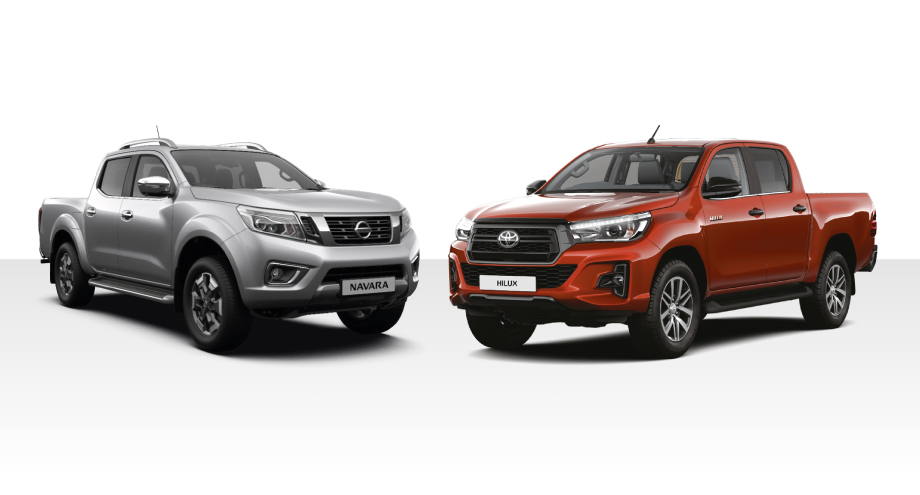
Toyota Hilux or Nissan Hardbody? Compare price, reliability, off-road ability, and maintenance for Uganda’s two favorite workhorse pickups.
Toyota Hilux vs. Nissan Hardbody: Uganda’s Ultimate Pickup Battle
Ask any boda mechanic, farmer, or construction site manager in Uganda which pickup they trust, and two names will almost always come up: the Toyota Hilux and the Nissan Hardbody. These aren’t just vehicles here; they’re workhorses that haul produce from Mbale to Kampala, carry building materials up muddy estate roads, and somehow keep running long after their odometers stop making sense. But when it’s time to actually put your money down, which one deserves it?
This is a genuine, practical comparison built for Ugandan buyers, whether you’re a first-time pickup owner or someone upgrading a fleet. Let’s get into it.
A Quick Introduction to Both Contenders
The Toyota Hilux needs little introduction. It’s built a reputation over more than five decades as one of the most durable trucks on the planet, and in Uganda it’s the default choice for NGOs, government fleets, and private buyers who want a pickup that simply refuses to quit.
The Nissan Hardbody, meanwhile, is the affectionate local name Ugandans (and much of East Africa) use for the older-generation Nissan pickup, commonly the D22/NP300 series, fitted with the well-known TD27 or QD32 diesel engines. It doesn’t carry quite the same global mystique as the Hilux, but it has earned genuine street credibility here for being tough, simple to fix, and easier on the wallet.
Price Comparison: What You’ll Actually Pay in Uganda
This is often where the decision gets made before anything else is even considered.
A used Toyota Hilux in Uganda typically ranges from around UGX 40 million for older, higher-mileage units up to UGX 100 million or more for well-equipped, low-mileage double cabs, with brand-new units starting from roughly UGX 120 million. Newer Hilux Revo and Legend trims with automatic transmissions and 4×4 push well past that.
The Nissan Hardbody, by contrast, is significantly more accessible. Local listings show older Hardbody models changing hands from as low as UGX 15 million, with well-maintained, later units reaching into the UGX 35–45 million range. For buyers who need a genuinely capable pickup without stretching into Hilux territory, this price gap is substantial.
Car care tip: Whichever truck you choose, always budget an extra 10–15% of the purchase price for an initial service, fresh fluids, and a full inspection before putting it to work. Sellers rarely hand over a pickup that’s truly ready for heavy Ugandan roads on day one.
Engine and Performance: Torque Where It Counts
Both trucks were built with hauling and towing in mind, but they get there differently.
The Hilux’s diesel engines (ranging from the older 3.0L D-4D units to the newer 2.4L and 2.8L GD engines, depending on generation) are known for strong torque delivery and dependable long-term durability, even under sustained heavy loads. Off-road, the Hilux’s higher ground clearance and well-proven 4×4 system make it a strong performer on Uganda’s rougher upcountry roads.
The Hardbody’s TD27 and QD32 diesel engines are older, simpler designs, which is actually part of their appeal locally. They produce solid low-end torque suitable for hauling goods and towing trailers, and their mechanical simplicity means most Ugandan garages, even upcountry ones, can diagnose and fix issues without needing specialized diagnostic tools.
Car care tip: Older diesel engines like the Hardbody’s respond well to regular fuel filter changes, especially given Uganda’s variable fuel quality outside major towns. Don’t stretch this interval; a clogged fuel filter is one of the most common causes of power loss and hard starting on these engines.
Reliability and Ease of Repair
This is where the Hardbody genuinely competes with, and in some Ugandan garages even edges past, the Hilux, at least on cost of ownership.
The Hilux’s reputation for reliability is well earned, and Toyota’s dominant market presence in Uganda means spare parts are widely available, from Kampala dealerships down to smaller upcountry towns. However, newer Hilux models with more electronics and turbocharged systems can be pricier to diagnose and repair when something does go wrong.
The Hardbody’s mechanical simplicity is its biggest selling point for cost-conscious buyers. With fewer electronic systems to worry about, a competent local mechanic can often solve problems with basic tools, and second-hand parts are widely available given how many of these trucks have circulated through the region for decades.
Car care tip: For either pickup, keep a written service log. Given how many of these trucks pass through multiple owners in Uganda, having documented proof of regular oil changes, filter replacements, and major repairs significantly boosts resale value and buyer confidence.
Payload, Towing, and Practical Work Use
Both trucks are genuine workhorses, but there are differences worth knowing if you’re buying primarily for business use.
The Hilux generally offers a more modern, refined ride, especially in double-cab configurations, along with strong payload and towing figures that make it well suited to construction, agriculture, and NGO field work. Its leaf-spring rear suspension, while firmer riding than some rivals, holds up well under consistently heavy loads.
The Hardbody, especially in single-cab and older double-cab configurations, remains a favorite for transporters and small business owners who need dependable load-carrying capacity without the higher upfront and running costs of a modern Hilux.
Choosing Between Them: A Practical Framework
If your budget allows and you want the strongest resale value, widest parts network, and best all-round capability, the Hilux remains the safer long-term investment, particularly for regular upcountry travel or business use where downtime is costly.
If you need a genuinely tough pickup on a tighter budget, and you’re comfortable with an older, simpler engine that local mechanics can service anywhere, the Hardbody offers exceptional value for money and remains a common, trusted choice on Ugandan roads.
To find second-hand cars suitable for these conditions, check out auto24.ug, where certified listings include inspected Toyota Hilux and Nissan pickup options, giving you a safer starting point than an unverified roadside deal.
If you’d like to compare a broader range of listings directly from sellers, carkibanda.com is another solid platform for buying a car in Uganda, alongside regular driving tips and reviews for local drivers.
For drivers looking to explore sustainable mobility, EV24.africa offers import options for electric cars, expanding choices in Uganda’s evolving auto market, even as diesel workhorses like these two remain the backbone of commercial transport for now.
Final Verdict
There’s no universally “better” truck here, only the better truck for your specific needs. The Hilux wins on refinement, resale value, and long-term capability. The Hardbody wins on affordability and repair simplicity. Both have earned their loyal followings on Ugandan roads for good reason, and either one, properly maintained, will serve you well for years.
For more pickup comparisons, buying guides, and maintenance tips tailored to Ugandan drivers, discover additional resources on automag.ug.
Which one would you choose for Uganda’s roads: the refined Hilux or the tough, budget-friendly Hardbody?