Electric vehicles (EVs) are no longer a futuristic concept reserved for drivers in Europe or North America. In 2026, they are quietly making their way onto Ugandan roads — and for good reason. Rising fuel costs, growing environmental awareness, and the gradual improvement of charging infrastructure are pushing many Ugandan drivers to seriously consider the switch to electric. Whether you are a daily commuter in Kampala, a business owner managing a fleet, or simply someone curious about what the EV world has to offer, this guide is for you.
This article breaks down the most popular and affordable EV models that make sense for Ugandan roads — factoring in local conditions, budget realities, and the practicalities of EV ownership in Uganda today.
Why Electric Vehicles Are Gaining Ground in Uganda
Uganda’s fuel import bill continues to place pressure on household and business budgets alike. Petrol and diesel prices remain volatile, making the relatively stable running costs of an electric vehicle increasingly attractive. Add to that the Ugandan government’s stated interest in promoting green energy solutions and reducing carbon emissions, and you begin to see why EVs are entering serious conversations among car buyers.
The infrastructure challenge — often the first objection raised — is slowly being addressed. Solar-powered charging stations are appearing in urban centres, and several private businesses have begun offering EV charging as an added service. While the network is far from perfect, it is growing.
For the latest developments in Uganda’s automotive scene, including EV-related news, automag.ug is an excellent resource covering automotive news, car reviews, driving tips, and travel guides tailored specifically for Ugandan drivers and enthusiasts.
What to Look for in an EV Suited to Ugandan Roads
Before diving into specific models, it helps to understand what features matter most for Ugandan driving conditions:
Ground Clearance: Uganda’s roads — especially upcountry — can be unforgiving. A higher ground clearance reduces the risk of damage to the battery pack and undercarriage.
Battery Range: Most Ugandan drivers do not cover more than 60–100 km per day in urban areas. A vehicle with a range of 200–300 km per charge is more than adequate for daily use, but longer-range options offer peace of mind for intercity travel.
Charging Flexibility: Models that support both standard home charging (Type 1 or Type 2) and fast DC charging are more practical, given the current state of Uganda’s charging infrastructure.
Spare Parts and Service: Availability of technicians familiar with EV systems is still limited in Uganda, so simpler, well-documented platforms are preferable for now.
Price: Affordability remains the defining factor for most buyers. Models in the UGX 50–120 million range tend to attract the most interest.
Most Popular and Affordable EV Models for Uganda in 2026
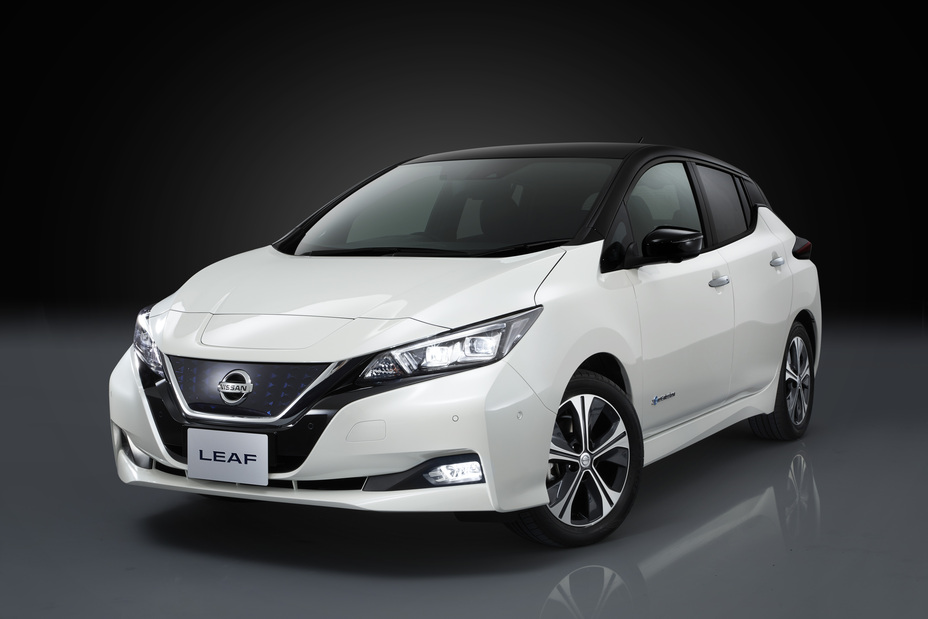
1. Nissan Leaf (2nd Generation)
The Nissan Leaf remains one of the most practical and widely available electric cars on the used import market. Its 40 kWh battery delivers around 270 km of range on a full charge — more than enough for daily city driving. The Leaf is compact, easy to manoeuvre in Kampala traffic, and has a well-documented service history globally.
Why it works in Uganda: Nissan has a dealer presence in Uganda, meaning spare parts and technical knowledge are more accessible than with less familiar brands. The second-generation Leaf also features the e-Pedal system, which allows one-pedal driving — a useful feature for stop-and-go Kampala traffic.
Estimated price range (used import): UGX 55–80 million
Charging: Supports both AC home charging and CHAdeMO fast charging.
2. BYD e6
The BYD e6 is a Chinese-built MPV (multi-purpose vehicle) that has found favour with ride-hailing and taxi operators in several East African markets. Its larger battery — typically 80 kWh — gives it a range of up to 400 km, making it one of the longest-range affordable EVs available in this region.
Why it works in Uganda: The e6’s spacious interior and durable build quality make it well-suited for both personal and commercial use. BYD has been actively expanding its presence across Africa, and the e6 has built a track record in Kenya and Tanzania that Uganda is now beginning to benefit from.
Estimated price range (new or near-new): UGX 90–130 million
Charging: AC and DC fast charging supported.
3. MG ZS EV
The MG ZS EV is one of the most talked-about affordable electric SUVs in emerging markets. It combines a crossover-SUV body style — popular with Ugandan buyers — with a competitive electric range of around 320 km. Its ground clearance is better than most hatchback EVs, offering a slight advantage on rougher roads.
Why it works in Uganda: MG (now owned by SAIC Motor of China) offers competitive pricing and has been making deliberate inroads into African markets. The ZS EV comes with a generous warranty and features like a panoramic sunroof, touchscreen infotainment, and ADAS (advanced driver assistance systems) that would cost significantly more in an equivalent petrol SUV.
Estimated price range: UGX 95–125 million
Charging: Supports fast charging with an 80% charge achievable in under an hour on a DC fast charger.
4. Volkswagen e-Golf (Used Import)
For drivers who prefer a familiar European brand, the Volkswagen e-Golf offers solid build quality, a comfortable ride, and a range of approximately 200–230 km. It is increasingly available as a used import from Europe, where large numbers entered the fleet market between 2017 and 2020.
Why it works in Uganda: The e-Golf’s relatively straightforward electric drivetrain, combined with Volkswagen’s established reputation in Uganda, makes it a sensible option for buyers who value reliability and a known service network. It is best suited to urban use given its modest range.
Estimated price range (used import): UGX 50–75 million
Charging: Type 2 AC and CCS DC fast charging.
5. BYD Atto 3
The BYD Atto 3 is a compact electric SUV that has become one of BYD’s flagship models for emerging markets. With a range of up to 420 km (WLTP standard) and a well-equipped interior, it punches well above its price class. The Atto 3 is designed with active markets like Southeast Asia and Africa in mind, and its build quality reflects that intent.
Why it works in Uganda: The BYD Atto 3 offers one of the better combinations of range, comfort, and ground clearance in this price segment. Its blade battery technology is specifically designed for safety and longevity — important considerations for any buyer operating far from a specialised service centre.
Estimated price range: UGX 110–145 million
Charging: AC and DC fast charging; 0–80% in approximately 45 minutes on a fast charger.
6. Toyota bZ4X
Toyota’s entry into the BEV (battery electric vehicle) space, the bZ4X, brings the reliability of the Toyota brand to the EV conversation. While slightly higher in price than some competitors, the Toyota bZ4X offers a range of around 450 km and the peace of mind that comes with Toyota’s widely trusted after-sales network in Uganda.
Why it works in Uganda: Toyota is arguably the most trusted automotive brand among Ugandan drivers. The bZ4X leverages that trust while offering a genuinely competitive electric package. Toyota Uganda’s growing familiarity with EV servicing is a significant practical advantage.
Estimated price range: UGX 130–180 million
Charging: AC and DC fast charging, with solar roof option available on some trims.
Where to Buy EVs in Uganda
Finding the right EV at the right price requires exploring multiple channels.
New Imports: Several dealerships now offer new EV imports, particularly from BYD and MG. Prices are higher but come with manufacturer warranties and full service histories.
Used Imports: The used car import market remains one of the most popular routes for Ugandan buyers. For a wide selection of quality second-hand vehicles — including EVs — auto24.ug offers a trusted platform for buying second-hand cars in Uganda, with listings updated regularly to reflect available stock.
Direct EV Import Services: For drivers looking to explore sustainable mobility, EV24.africa offers import options for electric cars, expanding choices for Ugandan buyers who want specific EV models sourced directly and professionally from international markets.
For broader automotive content — including car reviews, buyer guides, and road-tested advice for Ugandan conditions — carkibanda.com is a dependable resource covering the latest automotive news and providing a platform for purchasing cars in Uganda.
Practical Tips for EV Ownership in Uganda
Switching to electric is not just about buying the car — it is about adapting your routine and infrastructure. Here are some key tips:
Install a home charger: A Level 2 (7 kW) home charger reduces overnight charging time significantly compared to a standard 3-pin socket. Most EV owners in Uganda are finding this to be a worthwhile investment.
Charge during off-peak hours: If you are on a metered electricity connection, charging between 10 pm and 6 am typically reduces electricity costs and places less strain on the grid.
Monitor your battery health: Heat can degrade lithium-ion batteries over time. Park in shaded areas where possible and avoid leaving the vehicle at 100% charge for extended periods.
Plan intercity trips carefully: While Kampala-based EV use is generally straightforward, longer trips to cities like Jinja, Mbarara, or Gulu require careful pre-planning around available charging points. Use updated maps and EV charging apps to identify stops along your route.
Join an EV community: Uganda’s EV owner community is small but growing. Online groups and forums can provide practical, real-world advice from drivers already navigating local challenges.
The Road Ahead for EVs in Uganda
The transition to electric vehicles in Uganda will not happen overnight, but it is happening. Government policy, private sector investment, and consumer demand are all moving in the same direction. The models listed in this guide represent the most accessible and practical options available to Ugandan buyers today — combining reasonable prices, reliable technology, and growing local support.
As the charging network expands and more dealers begin stocking EVs directly, prices will continue to become more competitive. For anyone considering making the switch, 2026 is arguably the best time yet to do so.
For more buying guides, car reviews, and driving advice tailored to Uganda, visit automag.ug — your go-to source for everything automotive in Uganda.
Frequently Asked Questions
Can I charge an EV at home in Uganda? Yes. Most EVs can be charged via a standard 240V socket overnight, though a dedicated home charger significantly speeds up the process.
Are EVs cheaper to run than petrol cars in Uganda? Generally, yes. The cost per kilometre of running an EV on Uganda’s electricity tariffs is considerably lower than the equivalent petrol cost, even accounting for current electricity prices.
What happens if my EV breaks down far from a service centre? This is a genuine concern and one reason why choosing a model from a brand with a local dealer presence — such as Toyota, Nissan, or BYD — is advisable. Roadside assistance coverage and a basic understanding of your vehicle’s system warnings can also reduce risk.
Are there any import duties on EVs in Uganda? Uganda has introduced concessions for electric vehicles to encourage adoption, though the specifics can change. It is advisable to consult with a licensed clearing agent or the Uganda Revenue Authority for the most current information before importing.