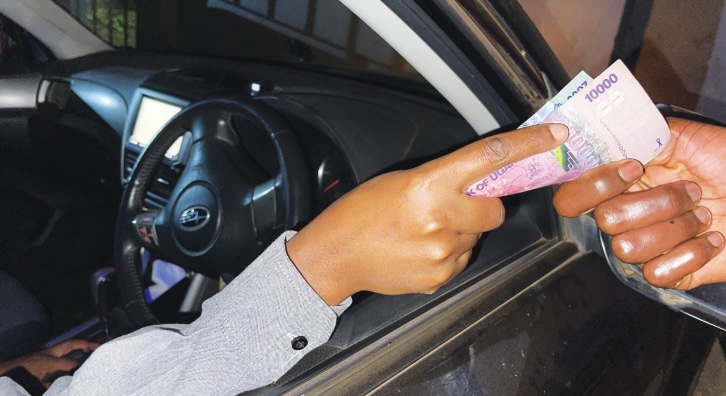
Every week in Uganda, someone loses money buying a car. Sometimes it is UGX 500,000 lost on a vehicle that turns out to have hidden accident damage. Sometimes it is UGX 20 million gone after purchasing a car with a cloned logbook. And sometimes it is an entire life savings handed over to a ‘dealer’ who disappears the moment the mobile money confirmation goes through.
Uganda’s used car market is vibrant, with thousands of quality vehicles changing hands every month. But that same activity creates cover for fraudsters, unscrupulous dealers, and opportunistic private sellers who rely on buyer ignorance to make quick money. The difference between a great deal and a devastating loss often comes down to knowing what to look for — and what to ask.
This guide is your complete car buying protection checklist for Uganda. It is written for first-time buyers, experienced buyers who have been caught before, and everyone in between. Work through it methodically every time you consider purchasing a used vehicle, and you will dramatically reduce your risk.
For trusted automotive news, car reviews, and buyer guides tailored specifically for Ugandan roads and conditions, start your research at automag.ug — an essential resource for Uganda’s driving community.
Understanding Uganda’s Used Car Market: Where the Risks Come From
The vast majority of used cars sold in Uganda are imported from Japan, the United Arab Emirates, and the United Kingdom. They arrive at Mombasa port, clear Kenyan customs, and are then driven or transported to Kampala’s major car bond areas — Nasser Road, Kireka, and Ntinda among others. Along this journey, opportunities for misrepresentation exist at multiple points.
Understanding where the risks originate helps you know where to focus your scrutiny:
• Odometer tampering: A car that covered 180,000km in Japan or the UAE can arrive in Uganda showing 80,000km after the mileage has been rolled back electronically. This is more common than most buyers realise and significantly affects a vehicle’s true remaining lifespan.
• Accident repair concealment: Vehicles involved in major accidents abroad are repaired to a cosmetic standard, imported, and sold as clean cars. Structural damage, airbag replacements, and frame repairs are hidden beneath fresh paint and body filler.
• Logbook cloning and forgery: Fraudsters duplicate genuine logbooks from legitimately registered vehicles and attach them to stolen or illegally imported cars. A cloned logbook looks authentic to the untrained eye.
• Outstanding loans and encumbrances: Some sellers list vehicles that are still under financing arrangements or have been used as collateral for loans. The buyer unknowingly inherits a legal claim on the vehicle.
• Stolen vehicle sales: Stolen cars occasionally enter the used market with altered chassis numbers and forged documents. A buyer purchasing such a vehicle can have it confiscated by police with no legal recourse.
• Ghost sellers and fake listings: Online scammers create attractive listings for vehicles they do not own, collect a ‘reservation deposit’ via mobile money, and vanish. The car never existed or belongs to someone else entirely.
Awareness of these risks is the first layer of protection. The checklist that follows addresses each of them directly.
Red Flags to Watch for in Online Car Listings
Most car buying journeys in Uganda now begin online, whether on social media platforms, classified sites, or dedicated car marketplaces. This is convenient, but it is also where many scams begin. Here is how to evaluate a listing before you even contact the seller.
Pricing That Seems Too Good to Be True
If a 2016 Toyota RAV4 in apparent good condition is listed at UGX 35 million when comparable vehicles are selling for UGX 52 to 58 million, that gap demands an explanation. Sellers offering vehicles significantly below market value are either hiding a serious defect, misrepresenting the vehicle’s specifications or history, or running an outright fraud. Use platforms like auto24.ug to benchmark pricing before contacting any seller. Current listings on auto24.ug for popular models such as the Toyota Wish, Subaru Forester, Nissan X-Trail, and Toyota Harrier give you an accurate, real-time picture of what fair market value looks like in Uganda today. A price that sits more than 20 percent below comparable listings should trigger immediate caution.
Vague or Evasive Listing Descriptions
Legitimate sellers who know their vehicle is good value are happy to describe it in detail. A listing that simply says “good condition, call for price” with minimal photos is a warning sign. Look for listings that include year of manufacture, engine size, mileage, fuel type, known issues, and service history. Absence of this information is not necessarily a scam, but it does require you to work harder to verify the details.
Stock Photos or Mismatched Images
Some fraudulent listings use photos pulled from the internet rather than actual pictures of the vehicle being sold. Check for clues: are the photos clearly taken in a different country (UK number plates, snow on the ground)? Is the same image appearing in multiple different listings? Ask the seller to send you a live photo of the car next to today’s newspaper or with a specific item placed on the bonnet. A genuine seller will do this without hesitation.
Pressure to Pay a Deposit Before Viewing
Any seller who insists on a deposit payment via mobile money before you have physically seen and inspected the vehicle is a significant red flag. Legitimate private sellers and reputable dealers have nothing to gain from rushing you past the inspection stage. The deposit-before-viewing tactic is the most common entry point for the ghost seller scam in Uganda.
SCAM ALERT: Never send any money — not even a small ‘goodwill deposit’ — to a seller you have not met in person and a vehicle you have not physically inspected. Scammers rely on urgency and the fear of missing a deal. Slow down.
Verifying the Seller Before the Meeting
Before committing time and energy to a viewing, spend a few minutes verifying the seller’s legitimacy. These steps take less than thirty minutes and can save you from a completely wasted trip — or much worse.
For Private Sellers
• Verify the phone number: Search the phone number on Google and on social media. Scammer numbers sometimes appear in fraud warning posts from previous victims.
• Request the seller’s national ID: Ask the seller to confirm the name on the logbook matches their national identity. A legitimate seller will have no objection. Reluctance here is a significant warning sign.
• Cross-reference the logbook details: Ask for the vehicle’s registration plate and chassis number before the viewing. You can use these to run a preliminary check with Uganda Revenue Authority (URA) before committing to travel.
For Dealers
• Check for a physical premises: A legitimate car dealer has a fixed, findable address. Visit it before buying. Dealers operating entirely from mobile phones and meeting ‘at the bond’ with no fixed office are a risk.
• Ask for their URA registration: Car dealers in Uganda are required to be registered for business and tax purposes. Requesting this documentation is entirely reasonable and distinguishes professional operators from fly-by-night fraudsters.
• Look for reviews and references: Ask the dealer for references from previous buyers, or search their business name online. Established dealers on platforms like auto24.ug and carkibanda.com carry public-facing reputations that create accountability. Nameless individuals selling from the roadside do not.
The Physical Inspection Checklist: What to Check at the Viewing
The physical viewing is your most powerful protection tool. Even without specialist knowledge, a methodical inspection of the following areas will reveal most attempts to conceal damage or misrepresent the vehicle’s condition.
Exterior Body Check
• Panel gaps and alignment: Stand at each corner of the car and look along the body panels. Uneven gaps between the bonnet and wings, or between doors and their frames, indicate accident repair or panel replacement. Panels that have been replaced rarely sit with exactly the same precision as factory originals.
• Paint consistency: In natural daylight, look for differences in paint shade, texture, or sheen between panels. Use your hand to feel along the panels — body filler beneath paint often feels slightly different in temperature and texture to the surrounding metal. A small magnet can help: it will not stick to body filler, but will stick firmly to unrepaired metal.
• Overspray on rubber seals and plastic trim: Paint overspray on door rubbers, window seals, or plastic trim is a clear sign that a panel has been resprayed, which usually means accident repair.
• Rust and corrosion: Check under the door sills, along the floor edges, and in the wheel arches. Surface rust is common on older imports; structural rust is a serious problem.
• Windscreen cracks and chips: A cracked windscreen is not just a cosmetic issue. Depending on the position, it can be a safety risk and an MOT-equivalent failure point during UVIS inspection.
Under the Bonnet
• Oil condition: Pull the dipstick and check the oil. Fresh, clean oil is amber in colour. Black, gritty oil means it has not been changed in a long time. Milky or creamy oil — a mix of oil and coolant — is one of the most serious warning signs possible, indicating a head gasket failure or cracked engine block.
• Coolant level and colour: The coolant reservoir should be at the correct level. Green or blue coolant that is clean and clear is good. Brown, rusty, or oily coolant indicates corrosion or contamination.
• Battery condition: Check the terminals for corrosion (white or blue powdery residue). A battery in poor condition may be hiding electrical gremlins.
• Engine bay cleanliness: An engine bay that has been aggressively cleaned immediately before a sale can actually be a warning sign rather than reassurance. Sellers sometimes pressure-wash the engine bay to hide oil leaks. Look for fresh oil seeping anywhere after the car has run for a few minutes.
• VIN/Chassis number plate: The chassis number stamped on the engine bay plate should match the number in the logbook exactly, including every letter and digit. Any discrepancy — even a single character — is a serious problem that must be resolved before purchase.
Interior Check
• Dashboard warning lights: Start the engine and observe the dashboard. All warning lights should illuminate briefly during startup and then extinguish. Any warning light that stays on — engine management, ABS, airbag, traction control — indicates an unresolved fault. Some sellers clear warning lights temporarily before a viewing; these will reappear within a few driving cycles.
• Airbag condition: Check the steering wheel, dashboard, and door pillars for signs of airbag deployment and re-packing. Replaced airbag covers often show faint seam lines or slightly mismatched textures. A vehicle that has deployed its airbags has been in a significant accident.
• Seat wear and mileage correlation: High wear on the driver’s seat bolster, worn pedal rubbers, and a shiny, worn steering wheel are physical indicators of genuine high mileage. If the odometer shows 60,000km but the interior shows the wear of a 200,000km vehicle, the mileage has likely been tampered with.
• Air conditioning function: Test the A/C on both cooling and heating settings. Repairs to the A/C system are among the most common and expensive maintenance items on used imports in Uganda.
• All electrical functions: Test every window, mirror, lock, light, and infotainment function individually. Electrical faults on used imports can be expensive and time-consuming to trace.
Under the Vehicle
• Frame and chassis integrity: Use a torch to inspect the chassis rails from underneath. Look for welding repairs, kinks, or new paint on areas that should be original factory-finished. Fresh welding on a chassis rail is evidence of significant structural repair following a major accident.
• Oil leaks: Check under the engine, gearbox, and differential for active oil seeps or dried oil residue.
• Exhaust condition: Rust-through holes in the exhaust system are expensive to repair and can be a health hazard due to carbon monoxide leakage into the cabin.
• Tyre wear patterns: Uneven tyre wear (more wear on the inner or outer edge of the tyre) indicates suspension or alignment problems. Centre wear indicates chronic overinflation; edge wear indicates chronic underinflation. These patterns tell you about how the car has been maintained and driven.
Document Verification: The Paper Trail That Protects You
Even a car that passes a thorough physical inspection can be a legal disaster if its documentation is not in order. Document fraud is common enough in Uganda that this stage deserves as much attention as the mechanical inspection.
The Logbook (Vehicle Registration Card)
The logbook is the most important document in a Ugandan vehicle sale. Here is how to verify it:
1. Check the chassis number: The chassis number on the logbook must match the number stamped on the vehicle’s body (typically visible through the windscreen on the dashboard, in the engine bay, and sometimes on the door pillar). Verify all three locations.
2. Check the engine number: Less commonly verified, but the engine number in the logbook should match the number stamped on the engine block.
3. Check for alterations: Hold the logbook up to natural light. Any erasures, chemical alterations, or over-writings in the key data fields (chassis number, engine number, registered owner) are immediate disqualifiers.
4. Verify at URA: The Uganda Revenue Authority allows you to verify vehicle registration details online or at a URA service centre. This is the definitive check — do it before final payment, not after.
5. Match the registered owner: The name on the logbook should match the national ID of the person selling the vehicle, or the seller should have a notarised letter of authority if selling on behalf of the registered owner.
Import Duty Payment Confirmation
All vehicles legally imported into Uganda should have import duty paid and cleared through URA. Request a copy of the import entry and duty payment receipt. This is especially important for vehicles imported in the last three to five years. A car without clear duty documentation may be subject to seizure by URA.
Outstanding Finance Check
Uganda does not yet have a fully centralised vehicle finance register, but you can take several steps to reduce the risk of purchasing a car with an outstanding loan attached. Ask the seller directly, in writing, whether the vehicle is subject to any financing arrangement. Request a statutory declaration if in doubt. For high-value purchases, engage a lawyer to conduct a search at the relevant financial institutions.
IMPORTANT: Never complete a vehicle purchase without physically verifying the logbook against the chassis number on the car and running a URA verification check. These two steps alone will catch the majority of document fraud cases in Uganda.
The Test Drive: What Your Body Senses That Your Eyes Miss
A test drive is not optional. No matter how well the car presents at a standstill, driving it reveals mechanical truths that no amount of cleaning or cosmetic work can conceal.
What to Listen For
• Knocking from the engine: A deep, rhythmic knock from the engine bay, especially on acceleration, often indicates worn main bearings — an expensive internal engine repair.
• Clunking over bumps: Clunking from the front suspension when going over speed bumps or rough roads suggests worn ball joints, tie rod ends, or control arm bushings.
• Grinding when braking: Metal-on-metal grinding during braking means the brake pads are completely worn and the disc rotors may also be damaged.
• Whining from the gearbox or differential: A consistent whine that changes with speed (not engine revs) suggests differential or gearbox bearing wear.
• Rattles and squeaks: Minor rattles from the interior trim are usually harmless. Persistent squeaking from the suspension or engine bay area warrants investigation.
What to Feel For
• Steering pull: Drive hands-lightly on a straight, level road. The car should track straight without requiring constant correction. Pulling to one side indicates alignment problems, uneven tyre pressure, or brake dragging.
• Vibration at speed: Vibration through the steering wheel at highway speed (80km/h and above) usually indicates wheel balancing issues or damaged tyres. Vibration through the floor may suggest drivetrain problems.
• Brake pedal feel: The brake pedal should feel firm and progressive, not spongy or soft. A pedal that sinks slowly to the floor suggests brake fluid contamination or a master cylinder fault.
• Gearbox smoothness: For automatics, gear changes should be smooth and barely perceptible at normal driving pace. Harsh shifts, hunting between gears, or delayed engagement when selecting Drive or Reverse from Park suggest transmission wear.
• Clutch engagement (manual): The clutch on a manual car should engage smoothly in the mid-range of pedal travel. Engagement that only occurs very high (near the top of pedal travel) indicates a worn clutch plate nearing replacement.
Using Trusted Platforms to Reduce Your Risk
One of the most practical ways to reduce scam risk in Uganda’s car market is to buy from platforms and dealers with established reputations and accountability structures. Here is how to use them effectively.
Verified Online Marketplaces
Purchasing through verified platforms significantly reduces the risk of ghost sellers and fake listings. auto24.ug is one of Uganda’s most reliable used car marketplaces, featuring verified listings with detailed specifications, photos, and pricing transparency. Current listings on the platform include popular and fast-moving models such as the Toyota Prado, Toyota RAV4, Toyota Wish, Nissan X-Trail, and Mitsubishi Pajero — all of which can be filtered by price range, year, and mileage to help you find the right vehicle within your budget. The verification process that listed vehicles go through adds a meaningful layer of protection for buyers compared to informal classified listings.
For additional car reviews, buyer tips, and road guides specific to Uganda, carkibanda.com is a comprehensive resource that combines editorial content with a buying platform — making it easy to research and purchase in one place.
Pre-Purchase Inspection Services
For buyers who do not feel confident conducting a full mechanical inspection themselves, a pre-purchase inspection (PPI) by an independent, qualified mechanic is money extremely well spent. For a fee of between UGX 50,000 and 150,000 depending on the thoroughness of the inspection, a qualified technician will assess the vehicle’s mechanical condition, check for hidden accident damage, and provide a written report.
Important: use your own mechanic, not one recommended by the seller. A mechanic with any relationship to the seller has a conflict of interest, however subtle.
UVIS Pre-Purchase Check
Uganda Vehicle Inspection Services (UVIS) offers vehicle inspections that cover roadworthiness, emissions, and structural integrity. While the standard UVIS process is linked to annual road tax renewal, you can engage UVIS-accredited inspection centres independently for a pre-purchase assessment. A UVIS inspection certificate on a vehicle you are considering is a meaningful signal of basic roadworthiness.
Common Car Scam Scenarios in Uganda and How to Avoid Them
The ‘Distressed Seller’ Scam
The seller presents a compelling story — relocating abroad urgently, financial emergency, divorce settlement — that explains why a good car is available at a price well below market value. The urgency and emotional narrative are designed to bypass your careful thinking. Remember: your sympathy is not relevant to whether the car is a good purchase. Evaluate the vehicle and documents on their own merits, entirely separately from the seller’s personal story.
The Test Drive Theft Scam
Less common but documented in Uganda: a ‘buyer’ requests a test drive and either does not return, or has an accomplice join them in the car who then intimidates the seller. Never allow a buyer you do not know to test drive your vehicle alone. Always accompany the buyer on test drives and take a photo of their national ID before handing over the keys.
The Part-Payment Pressure Scam
A seller agrees to a price, accepts a partial payment, and then disappears or refuses to complete the transfer, claiming the car has been sold to someone else at a higher price. Protect yourself: never make a payment without simultaneously signing a written sale agreement that specifies the full agreed amount, the payment schedule, and the transfer date. Any payment should be contingent on a document you hold.
The Cloned Logbook Scam
The seller presents a logbook that looks completely genuine but has been duplicated from another registered vehicle. The car itself may be stolen, illegally imported, or carry a hidden lien. The only reliable protection is a URA verification check using the chassis number — not just the logbook number. URA’s records will show whether the chassis number matches the registration details, and whether the registered owner’s information is consistent.
The Post-Agreement Mileage Scam
You agree to buy a car at a certain price. When you collect it, the mileage reading is different from what was discussed — usually explained as “test drives” or “I had to drive somewhere.” Protect yourself by photographing the odometer reading at the time of your inspection and including the agreed mileage in your written sale agreement.
Looking Ahead: Buying Into Uganda’s Electric Vehicle Future
While this guide focuses primarily on Uganda’s used petrol and diesel market, it is worth acknowledging that the options available to Ugandan car buyers are expanding. Electric vehicles are becoming an increasingly practical choice for urban drivers in Kampala who cover predictable distances and want to reduce fuel dependency.
For drivers looking to explore sustainable mobility, EV24.africa offers import options for electric cars into Uganda and across East Africa, expanding the choices available to buyers who are ready to move beyond conventional fuel vehicles. The platform provides transparent information on available EV models, import costs, charging infrastructure, and running cost comparisons — helping buyers make informed decisions about whether an electric vehicle suits their lifestyle and budget.
Importantly, all the document verification and inspection principles in this guide apply equally to electric vehicles. Check chassis numbers, verify logbooks through URA, and use trusted platforms. The car market’s fundamentals do not change because the powertrain does.
Your Complete Car Buying Checklist for Uganda: Print and Use
Use this checklist on every vehicle purchase. Tick each item only when you are satisfied with the result.
Before the Viewing
• Research the fair market price for this model and year on auto24.ug
• Verify the seller’s identity (national ID preview, phone number search)
• Request chassis number and registration plate in advance
• Run a preliminary URA check on the registration plate
• Confirm physical location for the viewing — public, accessible, safe
• Arrange your own independent mechanic if needed
At the Viewing — Exterior
• Check panel gaps for accident repair evidence
• Check paint consistency in natural light (use magnet to detect filler)
• Check for overspray on rubber seals and plastic trim
• Inspect wheel arches and door sills for rust
• Check windscreen condition
At the Viewing — Under the Bonnet
• Check oil condition (colour, level, no milkiness)
• Check coolant level and colour
• Inspect battery terminals
• Check chassis/VIN plate against logbook — exact character-for-character match
• Look for fresh oil leaks after running the engine
At the Viewing — Interior
• Check all dashboard warning lights extinguish after startup
• Check for airbag deployment evidence (seam lines, mismatched trims)
• Assess interior wear against claimed mileage
• Test air conditioning, heating, all windows, mirrors, locks, and lights
At the Viewing — Under the Vehicle
• Check chassis rails for welding repairs or kinks
• Check for oil leaks from engine, gearbox, differentials
• Check exhaust condition
• Assess tyre tread and wear patterns
Test Drive
• Listen for engine knock, suspension clunks, gearbox whine, brake grinding
• Check for steering pull on straight level road
• Assess brake pedal firmness and feel
• Test automatic gearbox shift quality through all ranges
• Photograph odometer reading during test drive
Document Verification
• Match logbook chassis number to chassis number on vehicle body (3 locations)
• Match logbook to seller’s national ID
• Check logbook for alterations (hold to light)
• Complete URA verification check on chassis number
• Confirm import duty payment documentation
• Confirm no outstanding finance (written declaration from seller)
Payment and Transfer
• Sign a written sale agreement before any payment
• Pay full agreed amount only (never instalments to strangers)
• Complete URA ownership transfer on the same day as payment
• Receive original logbook only after full payment is confirmed
Frequently Asked Questions (AQs)
How do I check if a car in Uganda has been in an accident?
The most reliable methods are a physical inspection using the panel gap, paint consistency, and magnet tests described in this guide, combined with a professional pre-purchase inspection by an independent mechanic. Some online vehicle history services using the chassis number may also return auction history records from Japan, which often include condition grades and damage reports from the export auction.
How do I verify a car logbook is genuine in Uganda?
Visit a URA service centre or use the URA online portal to verify the chassis number against the national vehicle registry. The registry will confirm the registered owner, registration details, and whether the chassis number is flagged for any reason. Cross-check the chassis number physically on the vehicle in at least two locations (engine bay plate and dashboard VIN) against the logbook. Any discrepancy is a serious red flag.
Is it safe to buy a car through an online platform in Uganda?
Buying through established, verified platforms significantly reduces your risk compared to informal classifieds or social media posts. Platforms like auto24.ug apply listing verification processes that filter out many fraudulent or misrepresented vehicles. That said, always complete a physical inspection and document verification regardless of where you find the listing — no platform can guarantee the condition of every vehicle listed.
What should I do if I discover the car I bought was stolen?
Report the vehicle to the nearest Uganda Police Force station immediately and provide all documentation you have for the purchase (sale agreement, logbook copy, payment records, seller’s ID). You will need a police report for any subsequent legal proceedings. Do not continue to drive or sell the vehicle. If you paid a traceable amount (bank transfer, mobile money), report the transaction to your financial institution and request a trace. Engaging a lawyer at this stage is strongly advisable.
Can I check if a car has outstanding import duties in Uganda?
Yes. The Uganda Revenue Authority can confirm the import and duty payment status of any registered vehicle. Visit a URA service centre with the chassis number and registration details. For recently imported vehicles (within the last five years), request the import entry number and verify it against URA records. An unresolved duty status can result in the vehicle being impounded.
How much should I budget for a pre-purchase inspection in Uganda?
A basic pre-purchase inspection by a qualified independent mechanic in Kampala typically costs between UGX 50,000 and UGX 150,000 depending on the thoroughness of the inspection and the mechanic’s location. For high-value purchases (above UGX 30 million), a more comprehensive inspection including a diagnostic scan for electronic fault codes is worth the additional cost. This investment is small relative to the risk it mitigates.
Are electric vehicles also at risk of scams in Uganda?
Yes. All the document fraud, odometer tampering, and accident concealment risks described in this guide apply equally to electric vehicles. Battery condition and state of health are additional, EV-specific concerns — a degraded battery pack significantly reduces range and can be expensive to replace. If considering an EV purchase or import, EV24.africa provides guidance on reputable import channels and what to check when buying an electric vehicle in the East African market.
Final Thoughts
Uganda’s car market has something for every budget and every need. The Toyota Fielder that gets a young professional to work every day, the Prado that handles the upcountry road, the pickup truck that runs a small business — all of these are available, accessible, and often reasonably priced. The scammers and unscrupulous sellers who operate in this market are a minority, but they are organised and experienced.
The checklist in this guide is your equaliser. It takes the knowledge that experienced mechanics and seasoned buyers have accumulated over years and puts it in your hands before you spend a single shilling. Use it on every purchase, even when the seller seems trustworthy, even when the car looks perfect, and even when you are in a hurry.
For ongoing protection, keep trusted resources close. automag.ug publishes Uganda-specific buyer guides, road news, and vehicle reviews. carkibanda.com combines editorial advice with a buying marketplace tailored for Ugandan drivers. And when you are ready to browse verified listings for your next vehicle, auto24.ug is a reliable, transparent starting point. If an electric future interests you, EV24.africa has the import information you need.
Buy smart. Verify everything. And enjoy the road.