
Short answer: Yes, hybrid cars are worth it in Uganda in 2026. Here’s why:
- Fuel Savings: Hybrids like the Toyota Prius and Aqua save up to 85% on fuel costs compared to petrol vehicles. For instance, driving 1,200 km per month costs UGX 80,000 for a hybrid versus UGX 550,000 for a petrol car.
- Lower Taxes: Uganda offers a 0% import duty on hybrids, making them more affordable than fully electric vehicles, which face a 25% duty.
- Popular Models: Reliable options include Toyota Prius, Aqua, Fielder Hybrid, and Honda Vezel Hybrid. These cars are fuel-efficient, with some achieving up to 30 km/l (71 mpg).
- Maintenance Costs: Hybrids require less frequent servicing, and spare parts for Toyota models are widely available in Uganda.
- Government Support: Tax incentives and green vehicle loans make hybrids more accessible.
Quick Overview:
- Toyota Prius: Fuel-efficient (25–30 km/l), costs $28,550+ for new models.
- Toyota Aqua: Affordable, fuel-efficient (22–24 km/l), used models start at $3,324.
- Toyota Fielder Hybrid: Practical for families, fuel-efficient (25–28 km/l), used prices range from UGX 30M–50M.
- Honda Vezel Hybrid: SUV-like design, fuel-efficient (18–22 km/l), used prices start at UGX 60M.
Hybrids are ideal for urban areas like Kampala due to stop-and-go traffic, and they don’t require charging stations. However, their low ground clearance can be a challenge on rural roads. If you’re looking to save on fuel and maintenance while avoiding the higher costs of electric cars, hybrids are a smart choice in Uganda this year.
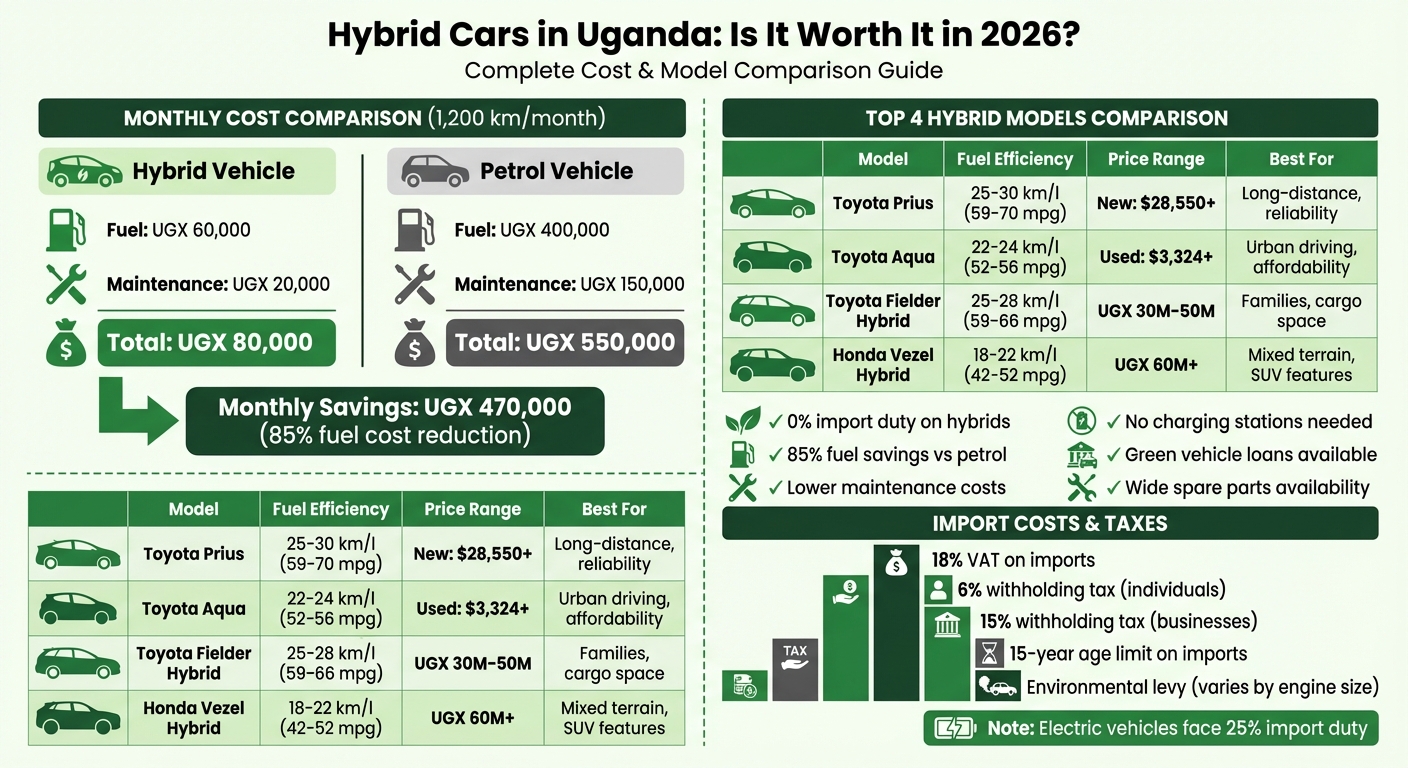
Hybrid vs Petrol Car Cost Comparison in Uganda 2026
The Disturbing Truth About Hybrid Cars in Uganda
sbb-itb-7bab64a
Hybrid Cars in Uganda: Market Overview and Costs
By February 2026, Uganda’s hybrid market has grown significantly, with nearly 1,000 hybrid vehicles listed for sale in the Kampala area alone. Japanese imports dominate the market due to their reputation for reliability and the availability of spare parts. Tax incentives have made hybrids more competitive, while fully electric vehicles still face a 25% import duty, limiting their affordability. Among hybrids, the Toyota Aqua stands out as the most budget-friendly option, offering a lower purchase price paired with excellent fuel efficiency. These factors influence both the initial cost and long-term savings potential for buyers.
Although hybrids come with higher upfront costs, they deliver significant savings over time. For instance, a used Nissan Leaf from 2017–2019 is priced between $18,000–$23,000 (UGX 65–83 million), while a high-end petrol vehicle like the 2024 Land Rover 110 costs a steep UGX 233.68 million.
When it comes to monthly running costs, the difference is even more striking. A hybrid vehicle traveling 1,200 km per month incurs UGX 60,000 in fuel costs and UGX 20,000 in maintenance, totaling UGX 80,000. In contrast, a petrol vehicle covering the same distance requires UGX 400,000 for fuel and UGX 150,000 for maintenance, adding up to UGX 550,000. This translates to a monthly saving of UGX 470,000, with fuel costs alone reduced by 85%.
To make hybrids more accessible, banks now offer "green vehicle loans" at lower interest rates. According to Allen Ssempa from Auto Show Kampala, these tailored financial products are helping close the cost gap for environmentally friendly vehicles. Most lenders require a 40% down payment, though paying more upfront can significantly lower monthly installments.
Import regulations add another layer of complexity. Uganda bans vehicles older than 15 years from the date of manufacture, which restricts access to cheaper, older hybrids. Additionally, all imports must pass a mandatory PVoC inspection and be Right-Hand Drive. The Uganda Revenue Authority (URA) imposes an 18% VAT on imports, along with a 6% withholding tax for individuals (15% for businesses). To estimate total clearing costs, including the environmental levy (which varies by engine size and vehicle age), buyers can use the URA’s online calculator.
1. Toyota Prius

Fuel Efficiency
The Toyota Prius stands out with its impressive fuel efficiency, delivering approximately 25–30 km per liter (59–70 mpg) in Uganda’s driving conditions. This makes it a practical and economical option for local drivers. The hybrid system shines in Kampala’s stop-and-go traffic, seamlessly alternating between the petrol engine and electric motor to optimize fuel use. Whether navigating urban commutes or traveling longer distances, such as between Kampala and Masaka, the 2026 models maintain a combined efficiency of up to 57 mpg, ensuring reliable performance across various terrains.
This efficiency plays a big role in keeping ownership costs manageable.
Total Ownership Costs
The starting price for the 2026 Prius is around $28,550 for the LE trim, with higher trims reaching up to $35,565. Ugandan buyers may also benefit from government tax incentives for hybrid vehicles, which can help offset the higher upfront cost compared to conventional petrol cars. Despite the initial expense, the Prius offers significant savings in fuel costs, with annual expenses estimated at just $750 based on EPA data. Additionally, the availability of spare parts in Uganda helps keep maintenance costs reasonable.
Now, let’s look at how maintenance needs contribute to the Prius’s long-term reliability.
Maintenance Requirements
The Prius’s hybrid system requires less frequent servicing than traditional gasoline-only vehicles, but it does need specialized care. Regular checks of the hybrid battery and attention to the regenerative braking system are crucial to maintaining peak performance. Given Uganda’s tropical climate, monitoring the cooling systems for the hybrid battery is especially important. Fortunately, spare parts are readily available, supporting the growing hybrid market in the region. The 2026 Prius has also earned top safety accolades, including the IIHS Top Safety Pick+ and a five-star NHTSA rating, reinforcing its reputation for reliability and safety.
Suitability for Ugandan Road Conditions
The Prius is well-suited for Uganda’s roads, performing reliably in both congested urban traffic and on paved highways connecting major towns. Its low center of gravity enhances stability during acceleration and braking, which is particularly useful in Kampala’s stop-and-go traffic. For added versatility, the optional Electronic On-Demand All-Wheel Drive improves traction on slippery surfaces. The vehicle also offers a practical 23.8 cubic feet of cargo space, expandable with 60/40 split fold-down rear seats. Drivers can switch to EV Mode for short, low-speed trips or ECO Mode to maximize fuel efficiency in heavy traffic. With its combination of efficiency, reliability, and ease of maintenance, the Prius proves to be a smart choice for Uganda’s diverse road conditions.
2. Toyota Aqua (Prius C)
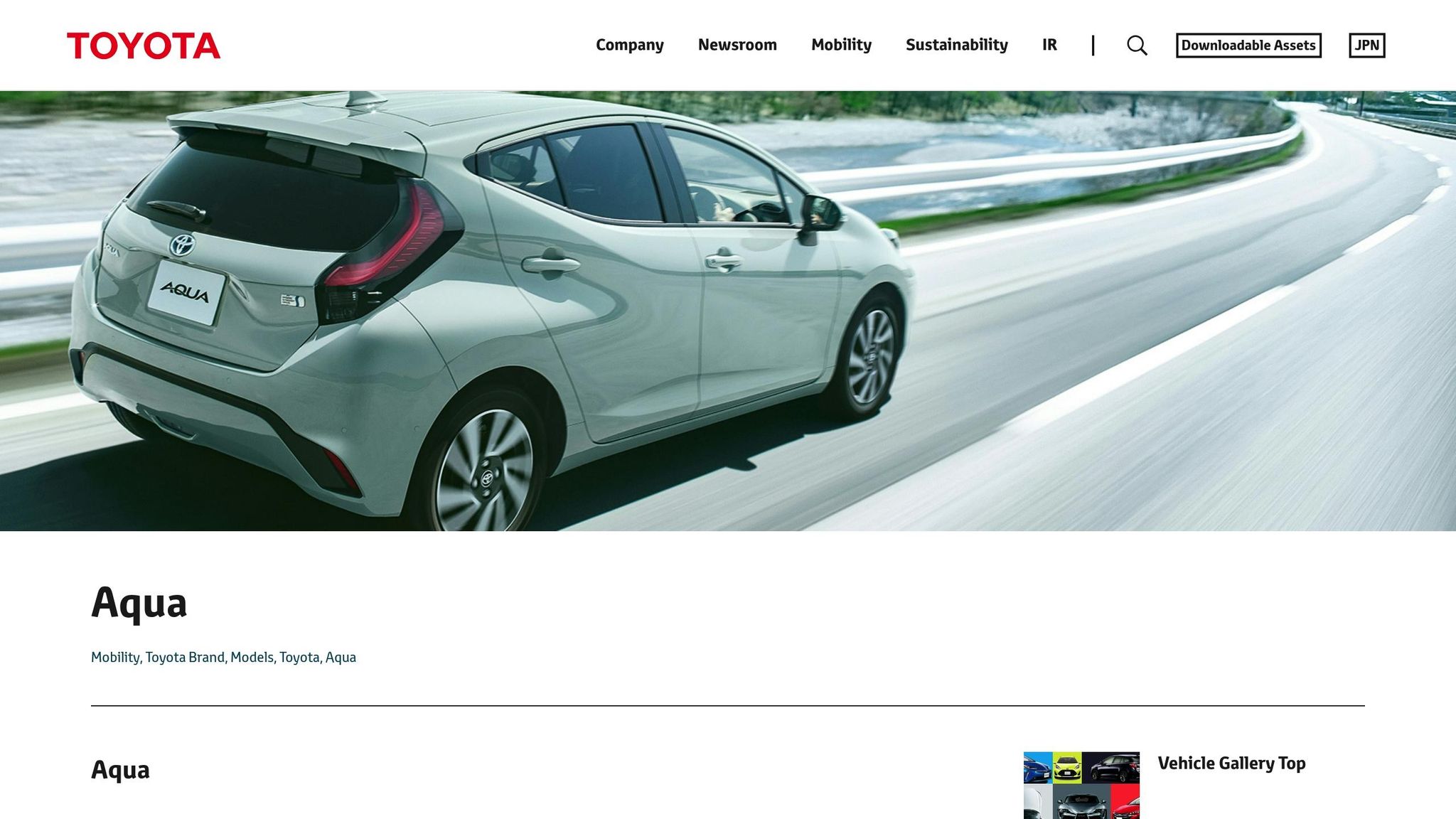
The Toyota Aqua, also known as the Prius C, is a smaller and more economical hybrid option, ideal for Uganda’s urban drivers seeking efficiency and affordability.
Fuel Efficiency
The Toyota Aqua boasts an official fuel efficiency rating of 35 km/l (82 mpg). However, in Uganda’s real-world driving conditions, it typically achieves 22–24 km/l (52–56 mpg), with some drivers reporting up to 26 km/l (61 mpg) on combined urban and highway routes. Its 1.5-liter 1NZ-FXE engine, paired with Toyota’s Hybrid Synergy Drive, excels in handling low-speed traffic in areas like Kampala, Mukono, and Jinja. The car’s aerodynamic design, with a drag coefficient of 0.28, and lightweight frame further enhance its fuel economy. With a 36-liter fuel tank, the Aqua offers a range of approximately 864 km (537 miles) per fill-up. At Uganda’s fuel price of 5,127.10 USh per liter, refueling the tank costs around 184,575 USh ($48).
Total Ownership Costs
The Aqua’s appeal extends beyond fuel savings, thanks to its affordability and low running costs. Used Toyota Aquas are readily available in Uganda, with prices ranging from $3,324 to $19,448, depending on factors like model year, trim level (L, S, G, or X), and condition. Government incentives may further reduce the purchase price. Compared to standard petrol vehicles, Ugandan drivers can save approximately $140 per month on fuel.
The hybrid battery, a key component, typically lasts 10–12 years or about 220,000 km before its capacity drops below 70%. Replacement costs range from $1,600–$2,000 for a reconditioned battery or $3,600–$4,000 for a brand-new OEM pack. Maintenance is straightforward and cost-effective, as the Aqua shares many parts with the Toyota Yaris.
Maintenance Requirements
The Aqua’s design reduces maintenance demands, thanks to features like regenerative braking and fewer moving parts. Toyota recommends 0W-20 fully synthetic engine oil for optimal engine performance. To ensure the hybrid battery remains in good condition, drivers should obtain a "State of Health" (SOH) report, which can be done using an OBD-II adapter with apps like Dr. Prius or by consulting specialists.
For early models (2012–2016), which often lack factory immobilizers, installing a Cat 1 alarm or using a steering-wheel lock is advised to deter theft. Additionally, the availability of spare parts in Uganda makes maintenance easier and supports the growing hybrid market.
Suitability for Ugandan Road Conditions
The Aqua is designed primarily for urban efficiency, making it a great fit for cities like Kampala, where navigating heavy traffic and tight parking spaces is a daily necessity. Its hybrid system maintains excellent fuel efficiency during stop-and-go traffic, which is common in urban areas. However, the car’s low ground clearance can be a drawback on Uganda’s rural roads, which are often uneven and riddled with potholes and unmarked speed bumps. These conditions can lead to damage to the shock absorbers and bumpers and may accelerate suspension wear when driven extensively on rough terrain.
While the Aqua performs best on paved roads – which account for roughly 80% of Uganda’s driving – it is less suited for gravel or dirt tracks leading to remote areas. For those primarily driving in urban settings, the Aqua remains a practical and efficient choice.
3. Toyota Fielder Hybrid
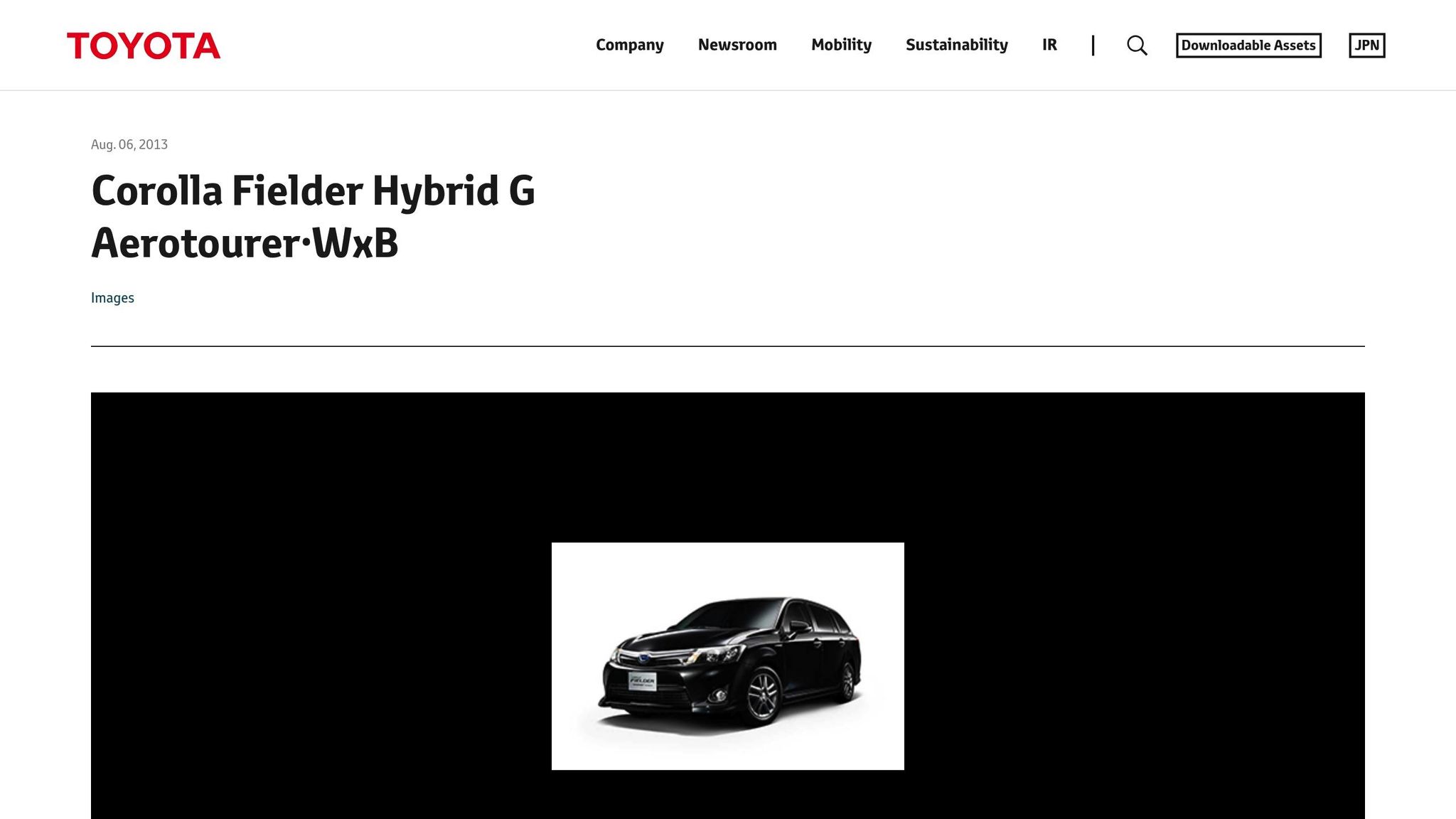
The Toyota Fielder Hybrid is the station wagon version of the Corolla, offering a mix of practicality and hybrid efficiency. Its fuel savings and spacious design make it a practical choice for families and small businesses in Uganda, especially as trends evolve in 2026. The combination of a roomy cargo area and improved fuel economy has made it a favorite among Ugandan buyers.
Fuel Efficiency
With its 1.5-liter engine and Hybrid Synergy Drive, the Fielder Hybrid achieves an impressive fuel efficiency of up to 30 km/l (71 mpg), far surpassing the 12–14 km/l (28–33 mpg) of its gasoline-only counterpart. In typical Ugandan driving conditions, the hybrid averages between 25 and 28 km/l (59–66 mpg). The hybrid system shines in stop-and-go traffic, where the electric motor takes over for low-speed movements, allowing the petrol engine to shut off and reduce emissions to zero during those moments. This efficiency translates to lower fuel costs, a major advantage for both families and businesses.
Total Ownership Costs
Used Toyota Fielder Hybrids are readily available in Uganda, with prices ranging from 30,000,000 USh to 50,000,000 USh (around $7,800–$13,000), depending on factors like model year and condition. The Ugandan government’s 0% import duty on hybrid vehicles further reduces the upfront cost. Maintenance expenses are manageable due to the availability of spare parts, and the vehicle’s strong resale value makes it a solid financial choice for long-term ownership.
Maintenance Requirements
The Fielder Hybrid’s design includes fewer moving parts in its electric motor, along with a regenerative braking system that minimizes wear on traditional brake components. Toyota’s self-charging hybrid technology eliminates the need for external charging, making it even easier to own. Regular battery checks are essential to avoid extended discharge, and servicing the braking system ensures optimal performance of the energy recovery system. With Toyota service centers widely available in Uganda and ample spare parts, maintaining the Fielder Hybrid is straightforward and reliable. These factors add to its reputation as a dependable vehicle in the local market.
Suitability for Ugandan Road Conditions
The Fielder Hybrid is built to handle challenging conditions, with a durable engine capable of exceeding 200,000 km. Its suspension system absorbs bumps well, making it suitable for Uganda’s uneven roads. It offers approximately 407 liters (14.4 cubic feet) of cargo space, which can be expanded by folding the rear seats. However, the relatively low ground clearance might pose challenges on extremely rough rural roads with deep ruts or hidden obstacles. For urban and highway driving – common in Uganda – the Fielder Hybrid performs well, though extra caution is recommended on unpaved surfaces to avoid undercarriage damage.
4. Honda Vezel Hybrid

The Honda Vezel Hybrid stands out as a blend of SUV practicality and hybrid efficiency, making it a great match for Uganda’s driving conditions. Often called the "Urban Efficiency Master", it fits neatly between compact hatchbacks and larger SUVs. Powered by a 1.5-liter hybrid system delivering 150 horsepower, it provides quick acceleration – perfect for navigating city traffic.
Fuel Efficiency
The Vezel Hybrid delivers an impressive fuel efficiency of 18–22 km/l (42–52 mpg). While it doesn’t quite match the Toyota Prius’ 25–30 km/l (59–71 mpg), it still far outperforms most standard petrol vehicles, which average 12–14 km/l (28–33 mpg). In Kampala’s stop-and-go traffic, the electric motor helps cut fuel consumption significantly, saving drivers around 330,000–415,000 USh ($86–$108) monthly compared to non-hybrid cars.
Total Ownership Costs
Used models from 2018–2020 typically cost between 60,000,000 and 80,000,000 USh ($15,600–$20,800), while brand-new units can reach up to 132,000,000 USh ($34,300). Government tax incentives for hybrid vehicles in Uganda help ease the higher upfront cost compared to petrol-only models. Maintenance costs include minor servicing at 220,000–330,000 USh ($57–$86) and major servicing at 415,000–690,000 USh ($108–$179). The hybrid battery, which lasts 8–12 years, is a key long-term expense, priced at 6,300,000–7,700,000 USh ($1,640–$2,000) – a more affordable replacement cost compared to the Toyota RAV4’s battery.
For used models, it’s crucial to check the hybrid battery’s condition and review the auction sheet for mileage and accident history. These considerations, along with routine servicing, make the Vezel Hybrid a solid long-term investment in Uganda.
Maintenance Requirements
The Vezel Hybrid’s electric motor has fewer moving parts, and its regenerative braking system reduces strain on traditional brake components. However, its Dual-Clutch Transmission (DCT) requires special care. At low speeds, the DCT can feel jerky and may experience gear slipping or delayed shifts if not maintained properly. Using Honda-approved transmission fluids and keeping up with software updates at authorized dealers can help maintain its performance. Routine checks should also include the battery cooling and regenerative braking systems to ensure everything runs smoothly.
Suitability for Ugandan Road Conditions
With a ground clearance of 185 mm (7.3 inches), the Vezel Hybrid handles urban roads and well-maintained murram roads comfortably, though it’s not built for serious off-road adventures. It’s agile in city traffic, boasting a 0–100 km/h (0–62 mph) time of about 10.5 seconds. The 470-liter (16.6 cubic feet) cargo space, enhanced by versatile "Magic Seats" that fold flat or flip up, adds to its practicality for carrying larger items. While it shines on paved roads and light rural routes, its primary focus is urban efficiency, making it a top pick for drivers seeking fuel savings and city-friendly features.
Pros and Cons
After examining key models, here’s a breakdown of the advantages and challenges hybrid vehicles present for Ugandan drivers.
Hybrids deliver notable fuel savings and reduced maintenance costs compared to traditional petrol cars, thanks to their simpler electric motors and regenerative braking systems. Toyota models such as the Prius, Aqua, and Fielder stand out due to the widespread availability of spare parts across Uganda, which makes routine servicing easier and more affordable.
While the initial purchase price of hybrids can be higher, used options provide a more budget-friendly entry point. However, buyers should keep in mind potential future expenses, like hybrid battery replacements. For city driving, compact models like the Toyota Aqua and Prius excel in fuel efficiency. Meanwhile, the Honda Vezel Hybrid, with its crossover design and higher ground clearance, is better suited for rural or mixed terrain driving conditions.
David Okech from AutoMag.ug shares, "hybrids are currently the more practical option due to better infrastructure and spare parts availability".
The Toyota Aqua is often highlighted as an economical choice for urban drivers, while the Honda Vezel Hybrid offers a balanced mix of fuel efficiency and adaptability for both city streets and rural roads. For those considering new hybrids, authorized distributors may include perks like a 3-year manufacturer’s warranty and 2 years of free servicing, which adds extra peace of mind for buyers.
These points offer a practical guide for Ugandan drivers evaluating whether a hybrid vehicle aligns with their specific needs and conditions.
Conclusion
Hybrid cars present a smart and practical choice for Ugandan drivers in 2026. While their initial cost might be higher, this is balanced by their excellent fuel efficiency, lower maintenance expenses, and the availability of spare parts – especially for popular Toyota models.
The decision ultimately depends on your driving habits. For those navigating Kampala’s busy streets, compact hybrids like the Toyota Aqua stand out for their maneuverability and outstanding fuel economy. Families traveling longer distances, such as between Kampala and Masaka, might lean toward the comfort and dependability of the Toyota Prius. And for drivers tackling rough or unpaved roads, hybrids with all-wheel drive and higher ground clearance offer a more suitable option.
These advantages are further supported by Uganda’s growing infrastructure and government support. Standard hybrids don’t rely on charging stations, making them a practical choice nationwide. For plug-in hybrid owners, charging points have expanded beyond Kampala, reaching shopping centers and residential areas.
Tax incentives, strong resale values, and accessible repair facilities – particularly in urban centers – make hybrid ownership even more appealing. For those weighing their options, hybrids strike a balance between economic savings, practicality, and reduced environmental impact, all without the range anxiety or infrastructure hurdles tied to fully electric vehicles.
FAQs
How long does a hybrid battery last in Uganda?
Hybrid batteries in Uganda generally last between 8 to 15 years or approximately 160,000 to 300,000 kilometers. Their lifespan can vary based on several factors, including how the vehicle is driven, the local climate, and how well the battery is maintained. Consistent and proper care can make a significant difference, helping the battery last longer and perform at its best.
What should I check before buying a used hybrid import?
Before buying a used hybrid import in Uganda, it’s crucial to thoroughly inspect the car to avoid future headaches. Start with the exterior – look for signs of rust, previous repairs, the condition of the tires, and whether all lights are functioning properly. Then, move to the interior, checking the seats, dashboard, and electronics for any damage or malfunctions. Don’t forget the engine and mechanics – inspect fluid levels, listen for any unusual sounds, and take the car for a test drive to gauge its performance.
On top of the physical inspection, verify the ownership papers, service history, and roadworthiness certificates to ensure the car is legally compliant and has been well-maintained. Also, confirm that all import documentation, such as the bill of lading and proof of taxes paid, is in order. These steps are essential to ensure the car is safe, reliable, and free of legal complications.
Which hybrid is best for rough upcountry roads?
For Uganda’s rough upcountry roads, vehicles like the Toyota RAV4 Hybrid and Toyota 4Runner stand out. The RAV4 Hybrid combines impressive fuel efficiency with off-road capability, making it versatile for varied terrains. Meanwhile, the 4Runner is celebrated for its rugged construction and durability, perfect for handling tougher conditions. For less demanding routes, the Toyota Corolla Cross Hybrid offers a practical and efficient alternative. When navigating challenging roads, focus on vehicles with good ground clearance and robust platforms to ensure a smoother journey.
Related Blog Posts
- Electric Cars in Uganda: 2025 Guide for New Buyers
- How Much Do Cars Cost in Uganda in 2025? Full Guide
- Most fuel-efficient cars in Uganda for 2025
- Uganda Car Market 2026: Prices, Imports & Buyer Trends