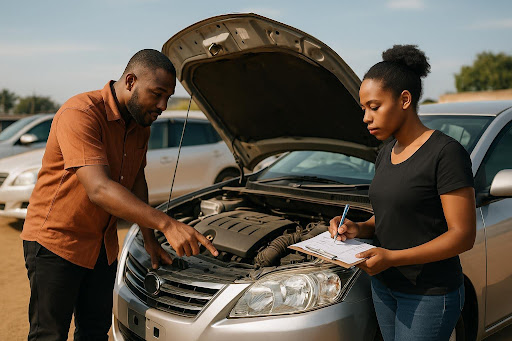
The Entebbe Expressway is one of Uganda’s busiest and most critical routes, connecting Kampala to Entebbe International Airport and serving thousands of commuters, business travelers, and tourists daily. While this modern highway offers smooth tarmac and convenient travel, breaking down on this high-speed corridor can be dangerous, stressful, and expensive. Whether you’re rushing to catch a flight, heading to a business meeting, or simply commuting to work, vehicle reliability is paramount. This comprehensive maintenance guide will help you keep your car in optimal condition and avoid the nightmare of a roadside breakdown on Entebbe Road.
Understanding the Unique Demands of Entebbe Road
The Entebbe Expressway presents specific challenges that differ from typical city driving or rural roads. Understanding these demands helps you prioritize the right maintenance tasks for your vehicle.
High-Speed Sustained Driving
Unlike stop-and-go city traffic, the expressway allows for sustained high-speed driving, typically between 80-100 km/h. This continuous operation puts different stress on your engine, transmission, and cooling system compared to urban driving. Your engine runs at higher RPMs for extended periods, generating more heat and consuming fluids faster.
Limited Emergency Stopping Areas
While the expressway features some designated stopping points, emergency breakdown spots are limited. A mechanical failure often means stopping on the shoulder of a busy highway, creating safety hazards for you and other motorists. This reality makes preventive maintenance not just convenient but essential for safety.
Heavy Traffic During Peak Hours
Morning and evening rush hours see significant traffic volume, with vehicles traveling at varying speeds. Brake performance, acceleration capability, and overall vehicle responsiveness become crucial during these periods. Any mechanical weakness becomes magnified in these conditions.
Essential Pre-Trip Checks: Your Five-Minute Safety Routine
Before heading onto Entebbe Road, especially for important journeys like airport runs, perform these quick but vital checks. These simple inspections take less than five minutes but can prevent hours of roadside frustration.
Tire Pressure and Condition
Proper tire pressure is your first line of defense against breakdowns. Under-inflated tires generate excessive heat at highway speeds, increasing the risk of blowouts. Over-inflated tires reduce grip and ride comfort while making your vehicle more susceptible to damage from road debris.
What to check:
- Use a reliable tire pressure gauge when tires are cold
- Match pressure to manufacturer’s recommendations (usually on a sticker inside the driver’s door)
- Inspect tread depth using the tread wear indicators or the “coin test”
- Look for cuts, bulges, or embedded objects in the tire sidewalls
- Don’t forget the spare tire—ensure it’s properly inflated and in usable condition
Most blowouts occur at highway speeds due to heat buildup in damaged or under-inflated tires. Regular checks, ideally weekly, prevent this common cause of expressway breakdowns.
Fluid Levels: The Lifeblood of Your Vehicle
Your car relies on various fluids to operate efficiently. Low fluid levels can cause immediate breakdowns or progressive damage that leads to failure at the worst possible moment.
Critical fluids to verify:
Engine oil: Check the dipstick with the engine off and on level ground. Oil should be between the minimum and maximum marks and appear clean, not gritty or burnt.
Coolant: Verify the level in the overflow reservoir when the engine is cold. Low coolant leads to overheating, especially during sustained highway driving.
Brake fluid: Check the reservoir under the hood. The level should be near the maximum mark. Dark or contaminated brake fluid requires immediate attention.
Power steering fluid: If your vehicle has hydraulic power steering, ensure adequate fluid level for smooth, safe steering response.
Windscreen washer fluid: Often overlooked, but crucial for visibility on dusty roads or when splashed by other vehicles.
Top up any low fluids before embarking on your journey. Sudden fluid loss during your trip indicates a leak requiring immediate professional attention.
Battery and Electrical System
A failing battery rarely gives much warning before leaving you stranded. The expressway’s limited stopping areas make a dead battery particularly problematic.
Battery check procedure:
- Look for corrosion on terminals (white, greenish, or blue crusty deposits)
- Ensure terminal connections are tight and secure
- Check for cracks or bulging in the battery case
- If your battery is over three years old, consider having it load-tested
- Verify all lights, indicators, and electrical accessories function properly
Modern vehicles rely heavily on electronics, and many won’t start with a weak battery even if it has enough power for lights and accessories. Don’t be fooled by a battery that “seems fine” until it suddenly isn’t.
Brake System Inspection
Your brakes are arguably your most important safety system, especially on a busy expressway where quick stops may be necessary.
Simple brake checks:
- Press the brake pedal while stationary—it should feel firm, not spongy or excessively hard
- Listen for squealing, grinding, or unusual noises when braking
- Feel for vibrations or pulling to one side during braking
- Check that the parking brake engages and releases properly
Any abnormality in brake performance requires immediate professional inspection. Brake failure at highway speeds is catastrophic and entirely preventable through regular maintenance.
Regular Maintenance Schedule: Preventing Problems Before They Start
Beyond pre-trip checks, following a structured maintenance schedule keeps your vehicle reliable over the long term. These routine services address wear and tear before they become breakdowns.
Engine Service Intervals
Your engine is the heart of your vehicle, and regular servicing ensures it runs efficiently and reliably. Most manufacturers recommend service intervals between 5,000 to 10,000 kilometers, depending on your vehicle and driving conditions.
Standard engine service includes:
- Engine oil and filter replacement
- Air filter inspection and replacement
- Spark plug examination (replacement typically every 20,000-40,000 km)
- Fuel filter check
- Drive belt inspection for wear and proper tension
- Engine mount evaluation
Uganda’s dusty conditions accelerate air filter contamination, reducing engine performance and fuel efficiency. Consider more frequent air filter changes than manufacturer recommendations suggest, especially if you frequently drive on dusty roads.
Cooling System Maintenance
Overheating is one of the most common causes of expressway breakdowns. Uganda’s warm climate and sustained highway speeds demand a properly functioning cooling system.
Cooling system care:
- Flush and replace coolant every 40,000-60,000 kilometers or per manufacturer specifications
- Inspect hoses for cracks, bulges, or soft spots
- Check the radiator cap seal and pressure release function
- Clean radiator fins to ensure efficient heat dissipation
- Test the thermostat operation
- Verify cooling fan engagement
A small coolant leak that seems manageable in city traffic can quickly become a serious overheat situation during sustained highway driving. Address cooling system issues proactively rather than reactively.
Transmission Service
Your transmission transfers engine power to the wheels, and its health directly affects your ability to maintain highway speeds safely. Automatic transmissions, in particular, require regular fluid changes despite some manufacturers claiming “lifetime” fluid.
Transmission maintenance:
- Change automatic transmission fluid every 40,000-60,000 kilometers
- Inspect manual transmission fluid every 20,000 kilometers
- Check for leaks under the vehicle
- Listen for unusual noises during gear changes
- Monitor for slipping, delayed engagement, or harsh shifting
Transmission problems often develop gradually, giving warning signs before complete failure. Pay attention to changes in shift quality or responsiveness, and have them investigated promptly.
Suspension and Steering Components
While not directly causing breakdowns, worn suspension and steering components affect vehicle control and can lead to dangerous situations at highway speeds.
Key components to maintain:
- Shock absorbers and struts (replace every 60,000-80,000 km)
- Ball joints and tie rod ends
- Wheel alignment (annually or after hitting significant potholes)
- Wheel balancing (with every tire rotation or if vibrations develop)
If you’re considering upgrading to a vehicle with better suspension suited for Uganda’s diverse road conditions, platforms like auto24.ug offer a wide selection of SUVs and crossovers known for their robust suspension systems, including models like the Toyota RAV4, Subaru Forester, and Nissan X-Trail.
Warning Signs: When Your Car Talks, Listen
Vehicles communicate problems through various symptoms. Recognizing these early warnings allows you to address issues before they cause breakdowns.
Dashboard Warning Lights
Modern vehicles feature comprehensive warning systems. Never ignore illuminated dashboard warnings, especially:
Check Engine Light: Indicates engine management system issues ranging from minor sensor problems to serious mechanical failures. Have it diagnosed with a code reader.
Oil Pressure Warning: Extremely serious—stop driving immediately. Low oil pressure can destroy your engine within minutes.
Temperature Warning: Overheating alert. Pull over safely, turn off the engine, and allow it to cool before investigating.
Battery/Charging Warning: Indicates charging system failure. You may have limited time before the battery drains completely.
Brake Warning Light: Could indicate low brake fluid, worn brake pads, or ABS system issues. Have it checked immediately.
For detailed explanations of dashboard warnings and what actions to take, automag.ug offers comprehensive guides specifically relevant to vehicles commonly driven in Uganda.
Unusual Noises: Your Car’s Cry for Help
Different sounds indicate different problems:
Squealing when braking: Worn brake pads with wear indicators touching the rotors. Replace pads soon to avoid rotor damage.
Grinding when braking: Brake pads completely worn, metal-on-metal contact. Extremely dangerous and expensive if not addressed immediately.
Knocking from the engine: Could indicate serious internal problems, detonation, or bearing wear. Requires immediate professional diagnosis.
Whining that changes with speed: Often transmission or differential issues, or sometimes just low power steering fluid.
Clicking when turning: Worn CV joints in front-wheel-drive vehicles, requiring replacement.
Rattling from underneath: Loose exhaust components, damaged heat shields, or suspension problems.
Performance Changes
Subtle changes in how your vehicle performs often precede breakdowns:
- Difficulty starting or extended cranking
- Reduced acceleration or power loss
- Increased fuel consumption
- Rough idling or engine hesitation
- Steering pulling to one side
- Vibrations at specific speeds
- Unusual smells (burning oil, coolant, rubber, or fuel)
These symptoms deserve professional attention even if the vehicle remains drivable. The cost of diagnosis and early repair is always less than the cost of a major breakdown and possible towing from Entebbe Road.
Roadside Emergency Preparedness
Despite your best maintenance efforts, unexpected issues can still occur. Being prepared minimizes stress and danger if you do experience problems on the expressway.
Essential Emergency Kit
Every vehicle traveling on Entebbe Road should carry:
Safety items:
- Reflective warning triangle (legally required in Uganda)
- High-visibility vest
- Flashlight with fresh batteries
- First aid kit
Basic tools:
- Jack and wheel wrench (verify they’re functional before you need them)
- Jumper cables or portable jump starter
- Basic tool set (screwdrivers, pliers, adjustable wrench)
- Tire pressure gauge
- Duct tape and zip ties for temporary repairs
Emergency supplies:
- Bottled water (for drinking and potential radiator top-up)
- Mobile phone charger (car and portable)
- Emergency contact numbers
- Basic spare parts (fuses, bulbs if your vehicle uses standard types)
What to Do When Breaking Down
If mechanical failure occurs on Entebbe Road:
- Stay calm and signal: Activate hazard lights immediately
- Move to safety: If possible, coast to the shoulder or nearest designated stopping area
- Exit safely: If traffic is heavy, passengers should exit on the passenger side away from traffic
- Set up warnings: Place your triangle at least 50 meters behind your vehicle
- Call for help: Contact your insurance’s emergency service or a trusted mechanic
- Stay visible and safe: Remain outside the vehicle but away from traffic if conditions allow
Never attempt complex repairs on the expressway shoulder. The risk of being struck by passing vehicles far outweighs any repair urgency.
Choosing a Reliable Mechanic
Your choice of service provider significantly impacts your vehicle’s reliability. Quality workmanship and genuine parts prevent breakdowns while saving money long-term.
What to Look for in a Workshop
Reputation and experience: Seek recommendations from friends, family, or online reviews. Established workshops with experienced technicians provide more reliable service than unlicensed operators.
Specialization: Some workshops specialize in specific brands or vehicle types. Japanese car specialists, for instance, understand the nuances of Toyota, Nissan, and Honda vehicles common in Uganda.
Diagnostic equipment: Modern vehicles require computerized diagnostic tools. Ensure your chosen workshop has proper equipment for your vehicle’s make and year.
Parts quality: Ask about parts sourcing. Genuine or high-quality aftermarket parts last longer and perform better than cheap alternatives that may fail prematurely.
Warranty on work: Reputable workshops stand behind their work with warranties on parts and labor.
Service Records: Your Maintenance Passport
Maintain detailed records of all service work:
- Dates and odometer readings
- Work performed
- Parts replaced
- Costs
- Workshop details
These records help mechanics diagnose recurring issues, prove regular maintenance to potential buyers if you sell, and validate warranty claims. Consider using a digital maintenance log app or spreadsheet for easy access and organization.
Vehicle Selection for Reliability
If you’re in the market for a vehicle and prioritize reliability for routes like Entebbe Road, certain models have proven track records in Ugandan conditions.
Reputation for Dependability
Japanese brands, particularly Toyota, Honda, and Nissan, dominate Uganda’s roads for good reason. Their proven reliability, parts availability, and fuel efficiency make them excellent choices for daily expressway commuting.
Popular reliable models available on auto24.ug include:
- Toyota Premio: Known for excellent fuel economy and low maintenance costs
- Honda Fit: Compact, efficient, and remarkably reliable for city and highway use
- Nissan X-Trail: Robust SUV with good ground clearance and proven durability
- Toyota Harrier: Comfortable, reliable luxury crossover for longer journeys
- Subaru Legacy: All-wheel-drive reliability with good highway performance
Emerging Electric Options
As Uganda’s automotive landscape evolves toward sustainable mobility, platforms like EV24.africa are expanding choices for environmentally conscious drivers interested in electric vehicles. While EV infrastructure along Entebbe Road is still developing, electric vehicles offer the advantage of fewer mechanical components prone to breakdown, with no engine oil, transmission fluid, or exhaust systems to maintain. Early adopters of EVs in Uganda report fewer maintenance needs, though battery health and charging infrastructure remain important considerations.
Seasonal Considerations for Entebbe Road
Uganda’s climate affects vehicle maintenance needs throughout the year, particularly during rainy seasons.
Rainy Season Preparations
The wet months bring specific challenges:
Tire tread depth becomes critical: Worn tires lose grip on wet tarmac, increasing stopping distances and hydroplaning risk. Replace tires before tread depth falls below 3mm.
Wiper blade effectiveness: Replace wipers at least annually, or immediately if they streak or skip. Clear visibility is essential in heavy downpours.
Brake performance: Water can affect brake operation. Test brakes gently after driving through standing water to ensure they respond normally.
Electrical system protection: Moisture can cause electrical issues. Check battery terminals for corrosion and ensure all lights function properly for visibility in rain.
Dry Season Maintenance
Dust and heat create their own challenges:
Air filter replacement: Dusty conditions clog air filters quickly, reducing engine performance and fuel efficiency.
Cooling system stress: Hot ambient temperatures increase cooling system workload. Verify coolant levels more frequently.
Tire pressure monitoring: Heat causes tire pressure to increase. Check when tires are cold and adjust accordingly.
For more seasonal maintenance tips specific to Uganda’s climate, carkibanda.com provides regular updates and guides tailored to local driving conditions.
The Cost of Prevention vs. The Cost of Breakdown
Consider the financial reality: a comprehensive vehicle service costs between UGX 150,000 to UGX 400,000 depending on your vehicle type. A towing service from Entebbe Road to Kampala costs UGX 100,000 to UGX 200,000. Add missed flights, meeting delays, stress, and potential major repairs from breakdown-related damage, and prevention becomes obviously cost-effective.
Regular maintenance isn’t an expense—it’s an investment in reliability, safety, and peace of mind. The few hours and modest cost of routine service save countless hours of roadside frustration and potentially thousands in emergency repairs.
Developing a Maintenance Mindset
The most reliable vehicles belong to owners who view maintenance proactively rather than reactively. Don’t wait for problems to emerge. Schedule regular services, address minor issues before they become major failures, and treat your vehicle as the significant investment it represents.
Keep a maintenance calendar, whether digital or physical, noting when different services are due. Set reminders based on both time and mileage. When that check engine light illuminates or that strange noise starts, investigate immediately rather than hoping it goes away.
Your vehicle’s reliability on Entebbe Road ultimately reflects the care you invest in it. With proper maintenance, even older vehicles can provide years of dependable service, while neglected new vehicles can fail prematurely.
By following this quick maintenance guide and developing consistent care habits, you’ll dramatically reduce your breakdown risk on Entebbe Road. Whether commuting to work, rushing to catch a flight, or simply enjoying Uganda’s most modern highway, you’ll travel with confidence knowing your vehicle is prepared for the journey ahead.