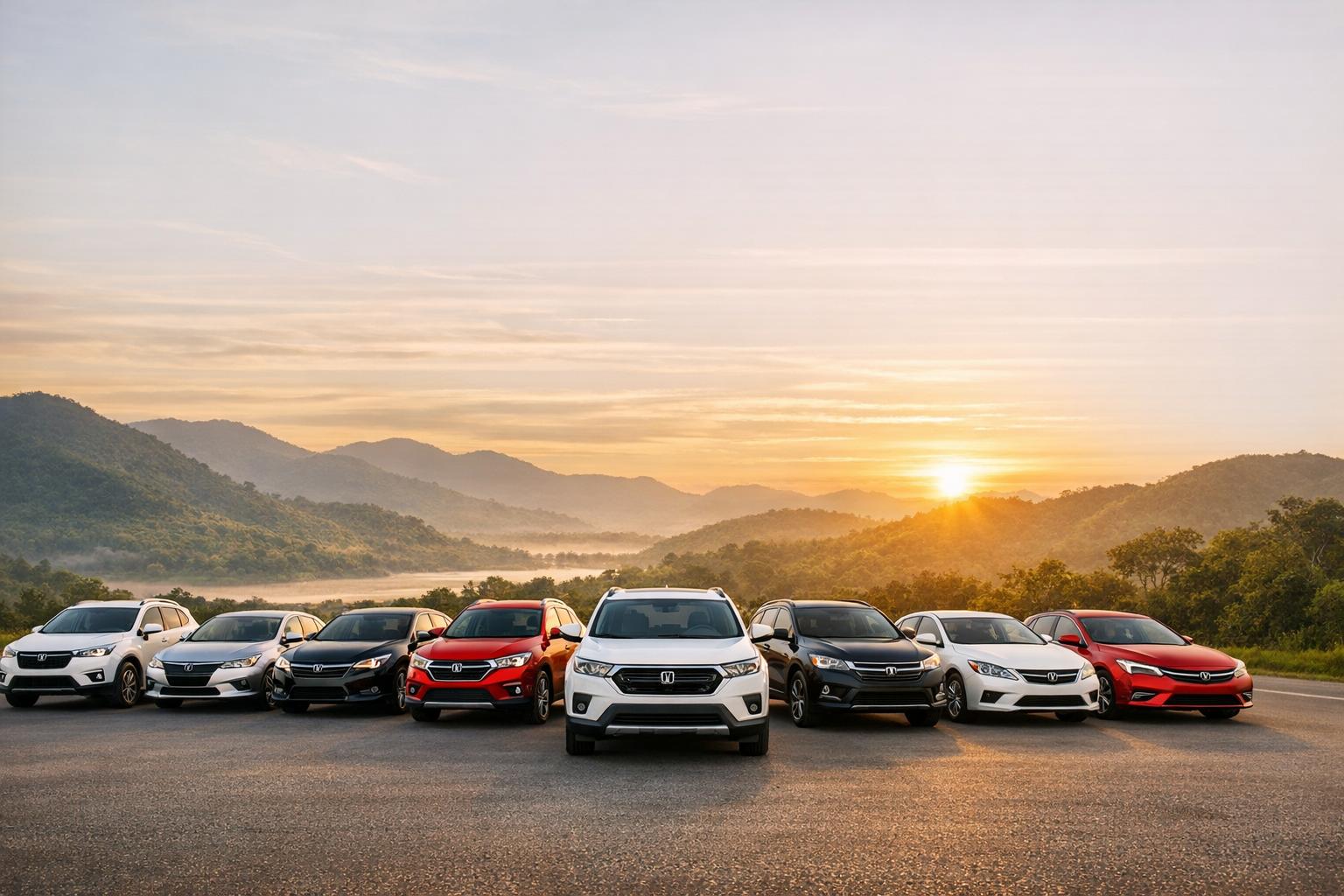
Ugandan roads demand vehicles that can handle tough conditions while keeping costs manageable. In 2025, Japanese cars dominated the market with a 70% share, thanks to their affordability, easy maintenance, and wide availability of spare parts. With fuel prices at UGX 5,500 per liter and high import taxes, choosing a reliable, fuel-efficient vehicle is crucial. Here’s a quick look at the top 10 cars that stood out for their dependability, resale value, and performance:
- Toyota Hilux: Rugged pickup with high ground clearance, excellent for rough terrains. Diesel engine averages 10–13 km/l.
- Toyota Land Cruiser: Luxury SUV with Full-Time 4WD, strong resale value, and hybrid models offering 22–25 km/l.
- Toyota Corolla: Budget-friendly sedan with 18 km/l fuel efficiency, ideal for city commutes.
- Toyota RAV4: Compact SUV with hybrid models achieving 22–25 km/l, suitable for mixed terrains.
- Subaru Forester: AWD SUV with solid traction, averaging 10–13 km/l.
- Toyota Harrier: Premium SUV offering comfort and reliability, with mileage around 10–13 km/l.
- Toyota Vitz: Compact hatchback with 16–18 km/l fuel efficiency, perfect for city driving.
- Subaru Legacy: AWD sedan with 16–18 km/l, balancing urban and rural usability.
- Toyota Noah: Spacious minivan with seating for 7–8, averaging 11 km/l.
- Mazda Demio: Compact car with 16–18 km/l, ideal for urban commutes.
Quick Comparison
| Model | Type | Fuel Efficiency (km/l) | Price Range (UGX) | Best For |
|---|---|---|---|---|
| Toyota Hilux | Pickup | 10–13 | 55M–80M | Rugged terrains, heavy loads |
| Toyota Land Cruiser | SUV | 22–25 (Hybrid) / 10–13 | 80M–300M | Luxury, off-road capability |
| Toyota Corolla | Sedan | 18 | 25M–35M | City commutes |
| Toyota RAV4 | Compact SUV | 22–25 (Hybrid) / 10–12 | 15M–80M | Mixed terrains |
| Subaru Forester | SUV | 10–13 | 35M–55M | Hilly/rural areas |
| Toyota Harrier | SUV | 10–13 | 45M–70M | Comfort, prestige |
| Toyota Vitz | Hatchback | 16–18 | 15M–22M | Urban driving |
| Subaru Legacy | Sedan | 16–18 | 25M–38M | Urban/rural versatility |
| Toyota Noah | Minivan | 11 | 30M–50M | Families, small businesses |
| Mazda Demio | Compact Car | 16–18 | 18M–27M | City driving |
Each car offers unique strengths, from fuel efficiency to rugged performance, ensuring there’s a reliable option for every need and budget.
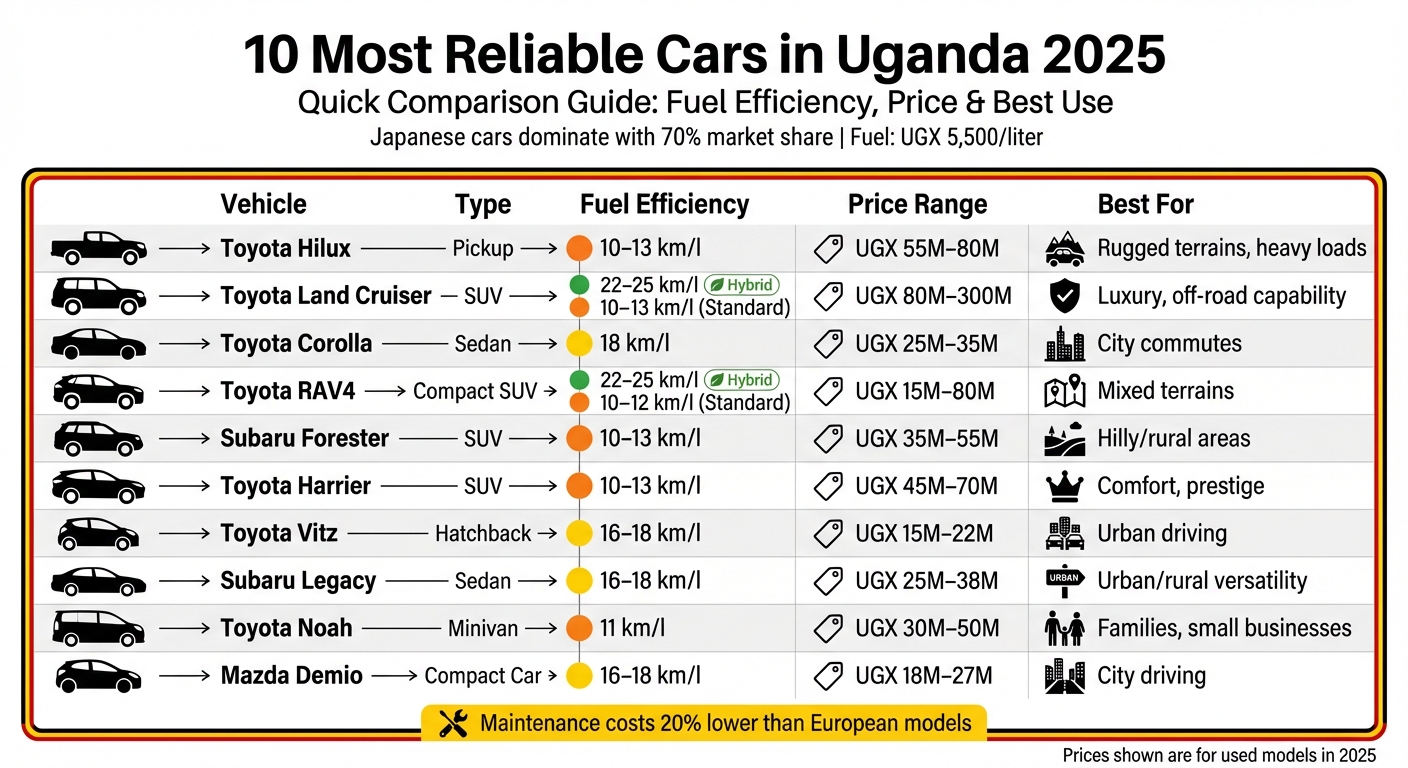
Top 10 Most Reliable Cars in Uganda 2025: Fuel Efficiency, Price & Best Use Comparison
Used Cars from Japan to Uganda 2025 | Best Selling Cars
1. Toyota Hilux
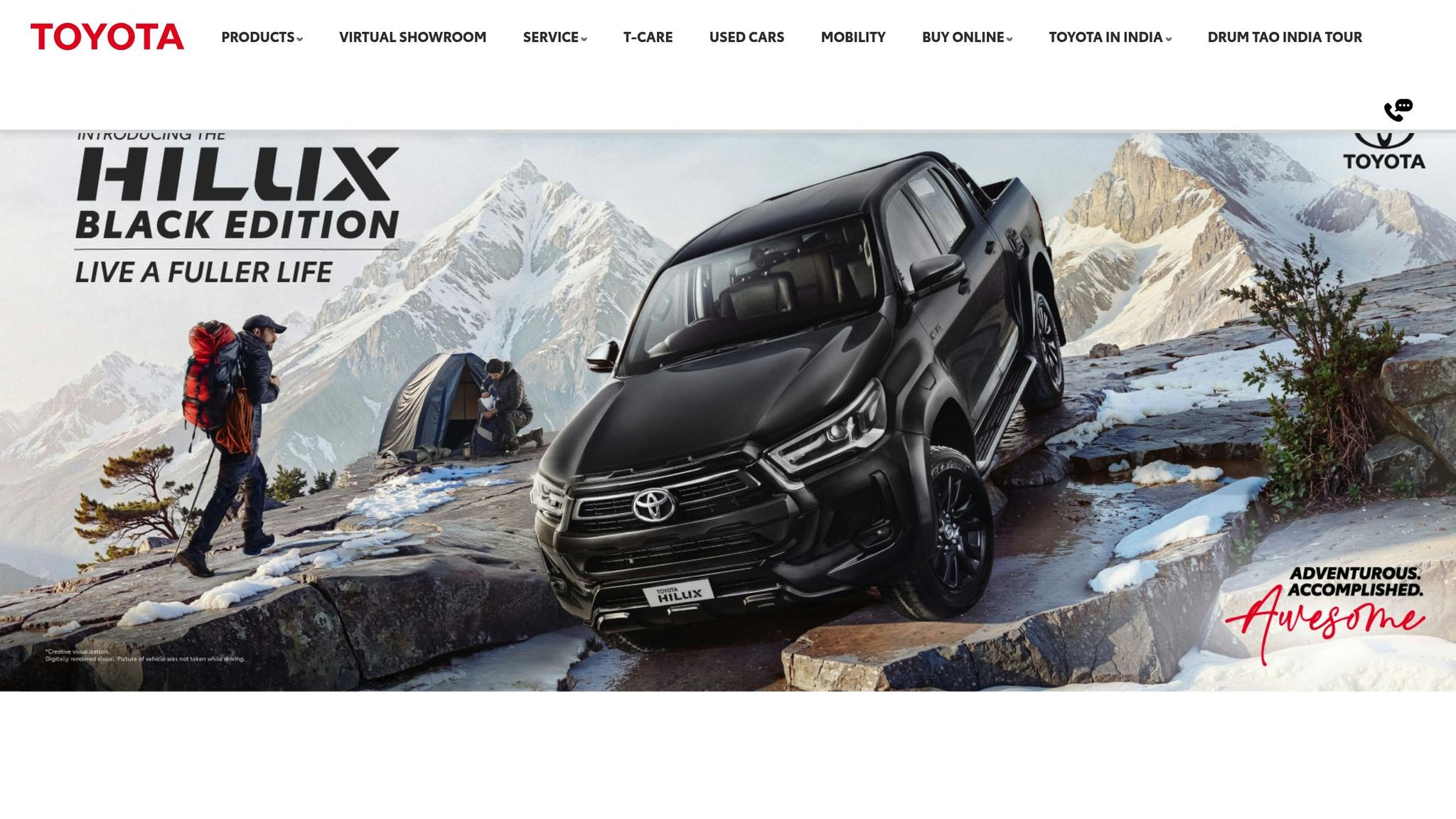
The Toyota Hilux has earned its title as the "king of pickup trucks" in Uganda, and it’s easy to see why. This rugged machine effortlessly handles everything from Kampala’s pothole-filled streets to the remote, bumpy murram roads in the countryside. If you’re in the market for a used Hilux, expect prices to range between UGX 55 million and UGX 80 million in 2025, making it a solid option for those with demanding needs.
Built to Conquer Ugandan Roads
Toyota proudly promotes the Hilux as "Made in Africa, for Africa", and it lives up to that promise. With a ground clearance of 11.6 to 12.6 inches (294 mm to 319 mm), the Hilux is well-equipped to glide over deep potholes and uneven terrain without damaging its undercarriage. Its approach angle of 29° and departure angle of 26° make it a reliable choice for tackling steep inclines or navigating obstacles on rural roads, ensuring you can drive with confidence no matter where you are.
The part-time manual 4×4 transmission system gives you the traction you need when conditions get tough – whether you’re hauling construction materials or driving through muddy farm paths during the rainy season. The suspension, which combines front coils and rear leaf springs, is built to absorb the constant jolts from rough roads. For power, the 2.8L diesel engine delivers 500 Nm of torque between 1,600 and 2,800 rpm, providing the strength needed for heavy towing or recovery tasks. Additional features like Hill-start Assist Control and Electronic Stability Control ensure stability and safety in challenging driving conditions.
Cost Efficiency and Resale Value
Although the initial purchase price may seem steep, the Hilux offers long-term savings. Maintenance costs are about 20% lower than those of European pickups, and its high resale value ensures your investment holds up over time.
Simple Maintenance and Spare Parts Availability
Keeping a Hilux in good shape is straightforward. Mechanics across Uganda are familiar with Toyota’s engineering, so finding someone to service your truck won’t be a hassle. Spare parts are widely available and often come at affordable prices, thanks to a strong local supply network. This means fewer delays and lower costs when repairs are needed, keeping your truck on the road when it matters most.
Fuel Economy for All Terrains
For a pickup, the Hilux offers practical fuel efficiency. Its diesel engines average 10–13 km/l, depending on how you drive and the weight of your load. With diesel priced at UGX 5,500 per liter, annual fuel expenses for driving 20,000 km range between UGX 8.5 million and UGX 11 million. The 80-liter fuel tank minimizes stops on long journeys, and the diesel engine is built to handle varying fuel quality, making it reliable for both urban commutes and rural adventures.
Next, let’s take a closer look at another Toyota model that blends luxury with rugged performance.
2. Toyota Land Cruiser
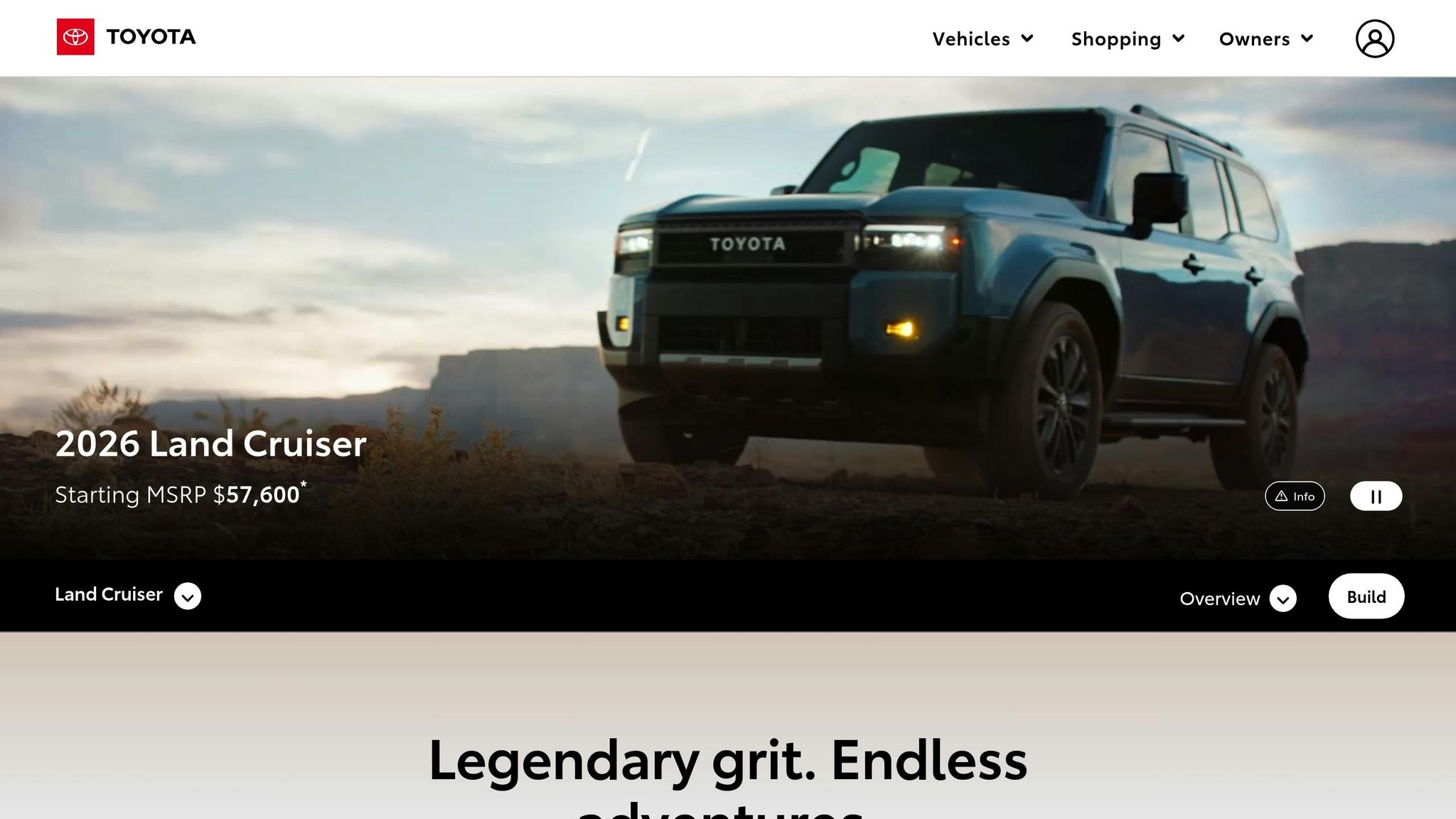
The Toyota Land Cruiser stands out on Ugandan roads, combining rugged off-road capability with a touch of luxury. Whether you’re navigating the bustling streets of Kampala or venturing onto rough murram tracks in rural areas, this SUV delivers both performance and prestige, making it a popular choice among government officials, NGOs, and business leaders.
Built for Uganda’s Roads
With its Full-Time 4WD system, Multi-Terrain Select, and Crawl Control, the Land Cruiser is designed to handle Uganda’s varied road conditions effortlessly. These features adjust throttle and brakes automatically, ensuring smooth navigation on steep inclines or through muddy paths. The 2026 model introduces a 2.4L i-FORCE MAX Hybrid powertrain, offering 326 horsepower and 465 lb.-ft. of torque – plenty of muscle for heavy loads and challenging terrains.
Smart Investment: Resale and Maintenance
While the initial cost of a Land Cruiser may seem steep, its strong resale value and lower maintenance expenses (around 20% less than European alternatives) make it a wise long-term choice. Even with import duties adding about 25% to the cost, buying a quality used Land Cruiser often proves more economical over time.
Maintenance and Spare Parts Availability
Toyota’s extensive service network in Uganda simplifies maintenance. Skilled mechanics in cities like Kampala, Jinja, and Entebbe are familiar with Toyota’s engineering, reducing repair times. Additionally, the Kawempe market is a go-to hub for genuine Toyota parts, often priced roughly 15% below standard retail rates.
Fuel Efficiency: Traditional vs. Hybrid Models
Older Land Cruiser models average 10–13 km/l, translating to annual fuel costs of about UGX 8,460,000 to UGX 11,000,000 for 20,000 kilometers of driving, assuming diesel is priced at UGX 5,500 per liter. The 2026 hybrid models, however, are game-changers, achieving 22–25 km/l and cutting fuel expenses nearly in half to around UGX 4,400,000 to UGX 5,000,000 for the same distance.
Pricing Overview
Pre-owned Land Cruisers typically sell at the higher end of the used SUV market, often around UGX 80 million, depending on age and condition. Brand-new Prado variants, on the other hand, can cost upwards of UGX 300 million.
Up next, explore a Toyota model tailored for urban commutes.
3. Toyota Corolla
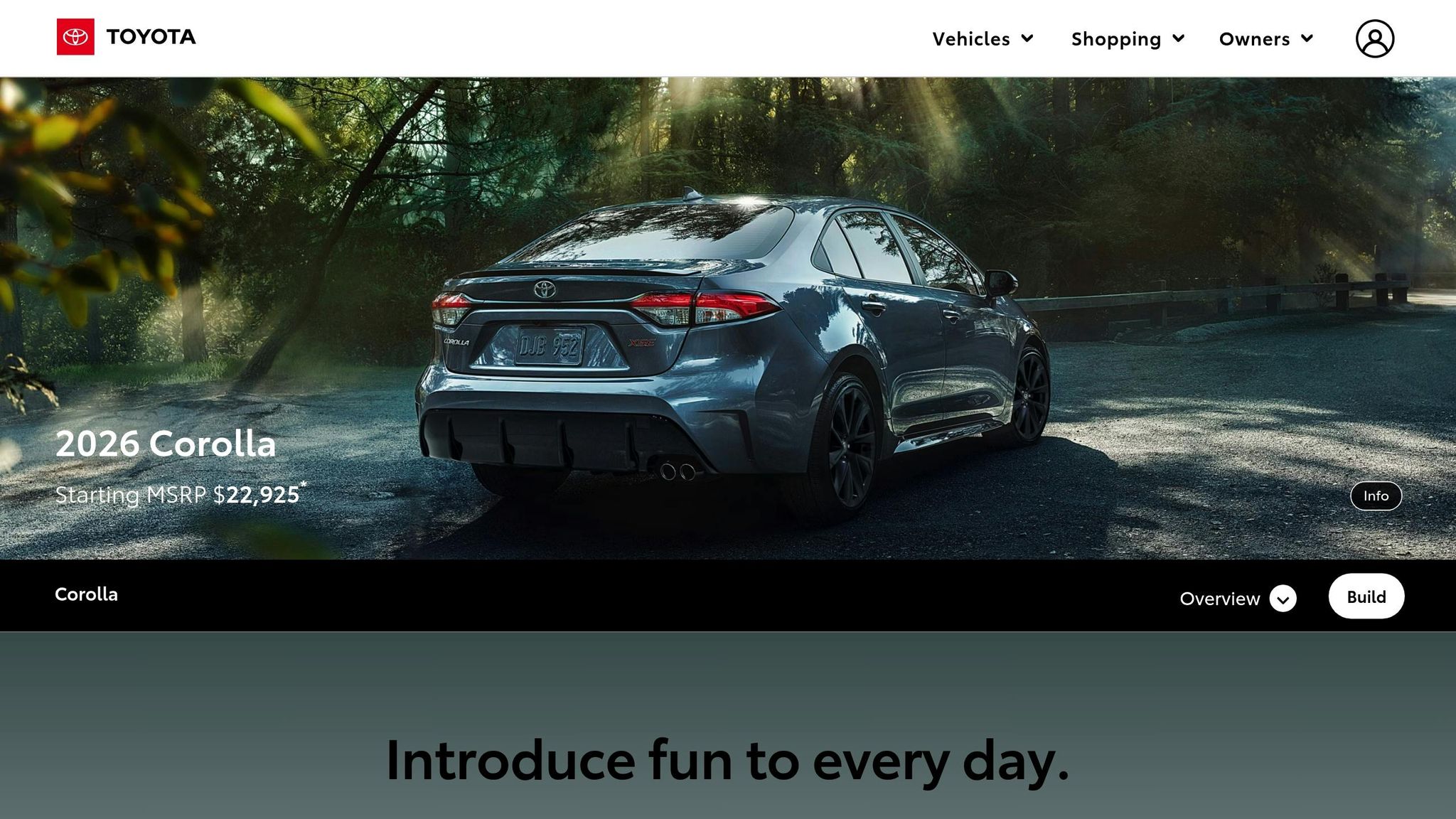
The Toyota Corolla is a dependable and budget-friendly sedan that suits Uganda’s roads well. It handles both city traffic and highway journeys with ease. However, its lower ground clearance means you’ll need to be cautious on rough murram roads.
Durability on Ugandan Roads
Known for its resilience, the Corolla navigates pothole-filled urban streets and high-altitude routes without breaking a sweat. Plus, with skilled local mechanics readily available, repairs are quick and hassle-free. The popular 1.5L engine variant offers a reliable balance of power, making it a top pick among used imports for Uganda’s diverse driving needs.
Affordability and Resale Value
Used Toyota Corollas typically range in price from UGX 25 million to UGX 35 million, making them an attractive option for middle-income buyers. Their strong resale value, driven by high demand in the local market, allows owners to recover much of their initial investment. Maintenance costs are also about 20% lower compared to European models. For added peace of mind, requesting Japanese auction sheets when buying used can help verify mileage and condition.
Ease of Maintenance and Spare Parts Availability
Spare parts for the Corolla are easy to find and reasonably priced. Local mechanics are familiar with these cars, which keeps repair times and costs manageable.
Fuel Efficiency for Urban and Rural Driving
The 1.5L Corolla achieves an impressive fuel efficiency of about 18 km/l, translating to annual fuel costs of around UGX 6.1–6.9 million for 20,000 km at a fuel price of UGX 5,500 per liter. Compared to SUVs that average 10–13 km/l, the Corolla offers a much more economical option while maintaining excellent engine performance.
Up next, we’ll take a look at a Toyota SUV that combines city comfort with off-road versatility.
4. Toyota RAV4
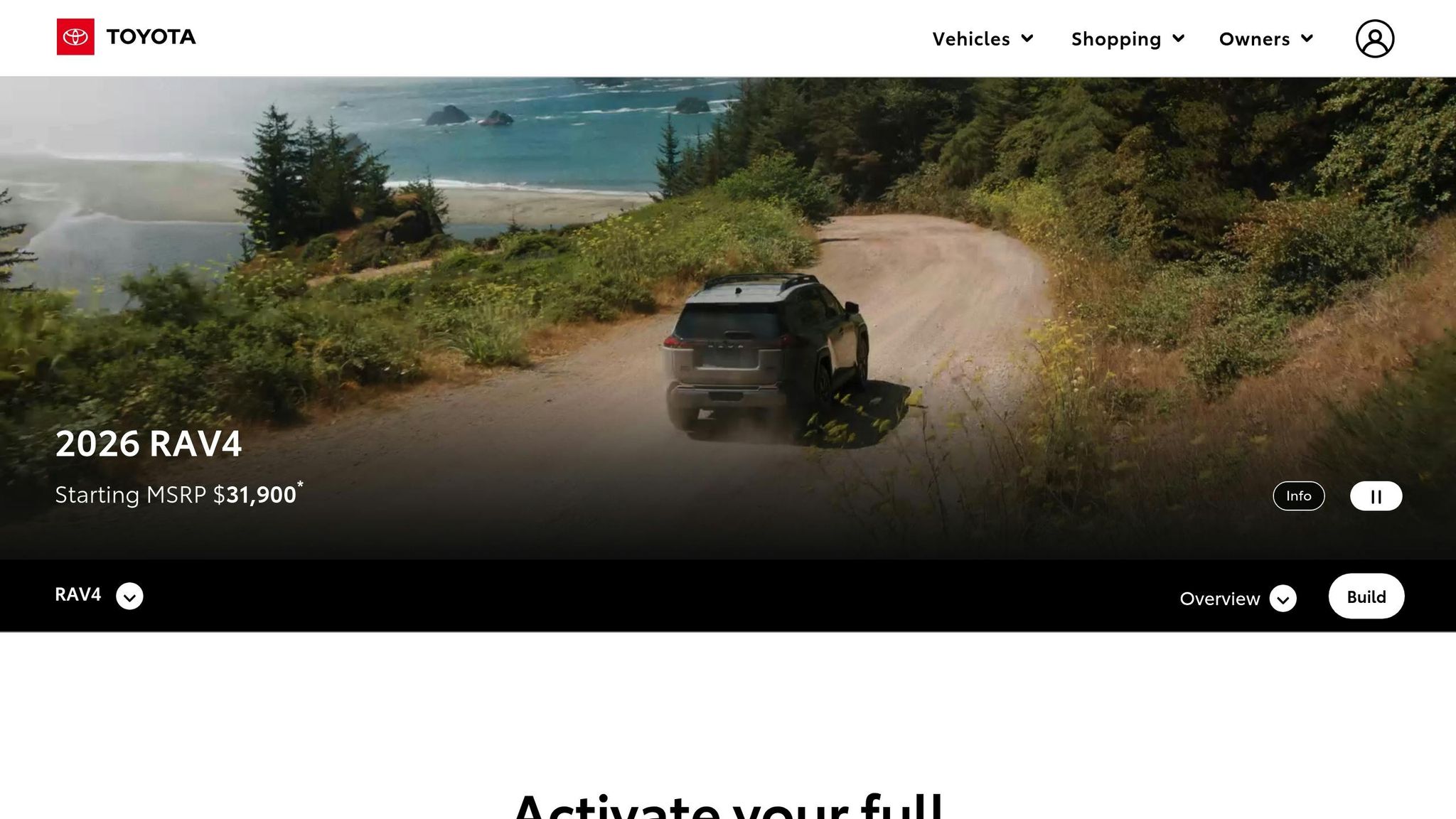
The Toyota RAV4 strikes a balance between urban comfort and off-road capability, making it a practical option for Uganda’s varied driving conditions. The 2025 Hybrid Electric 4×4 features a 2.5L engine paired with a CVT and part-time 4×4, perfect for navigating Uganda’s diverse roads.
Built for Ugandan Roads
With a multi-link rear suspension and dual-purpose tires (225/60R18), the RAV4 is designed to handle a mix of terrains. It includes advanced safety features like Hill-start Assist Control, Electronic Stability Control, and Trailer Sway Control to ensure stability on steep or slippery rural roads. Its permanent all-wheel-drive system provides reliable grip, though it’s less suited for extremely rugged areas like Kidepo National Park.
Cost and Resale Value
Used Japanese SUVs in Uganda, including the RAV4, are typically priced between UGX 15,000,000 and UGX 80,000,000. The RAV4 is a solid investment due to its reliability and strong resale value. If you’re considering a used model, ask for the Japanese auction sheet to confirm the mileage and condition, ensuring peace of mind with your purchase.
Maintenance and Spare Parts Availability
Toyota parts are easy to find in cities like Kampala, Jinja, and Entebbe. Markets such as Kawempe often offer parts at prices about 15% lower than standard retail rates. Additionally, maintenance costs for the RAV4 are approximately 20% less than those of European brands, making upkeep more manageable.
Fuel Efficiency for Everyday Driving
The RAV4 Hybrid delivers an impressive fuel efficiency of 22–25 km/l. For an annual distance of 20,000 km, fuel costs are estimated at UGX 4,400,000 to UGX 5,000,000, based on a fuel price of UGX 5,500 per liter. In contrast, standard petrol models offer 10–12 km/l, which makes them less economical, particularly for city traffic and longer trips in rural areas.
Next, take a look at a Subaru model that combines safety with all-weather performance.
5. Subaru Forester
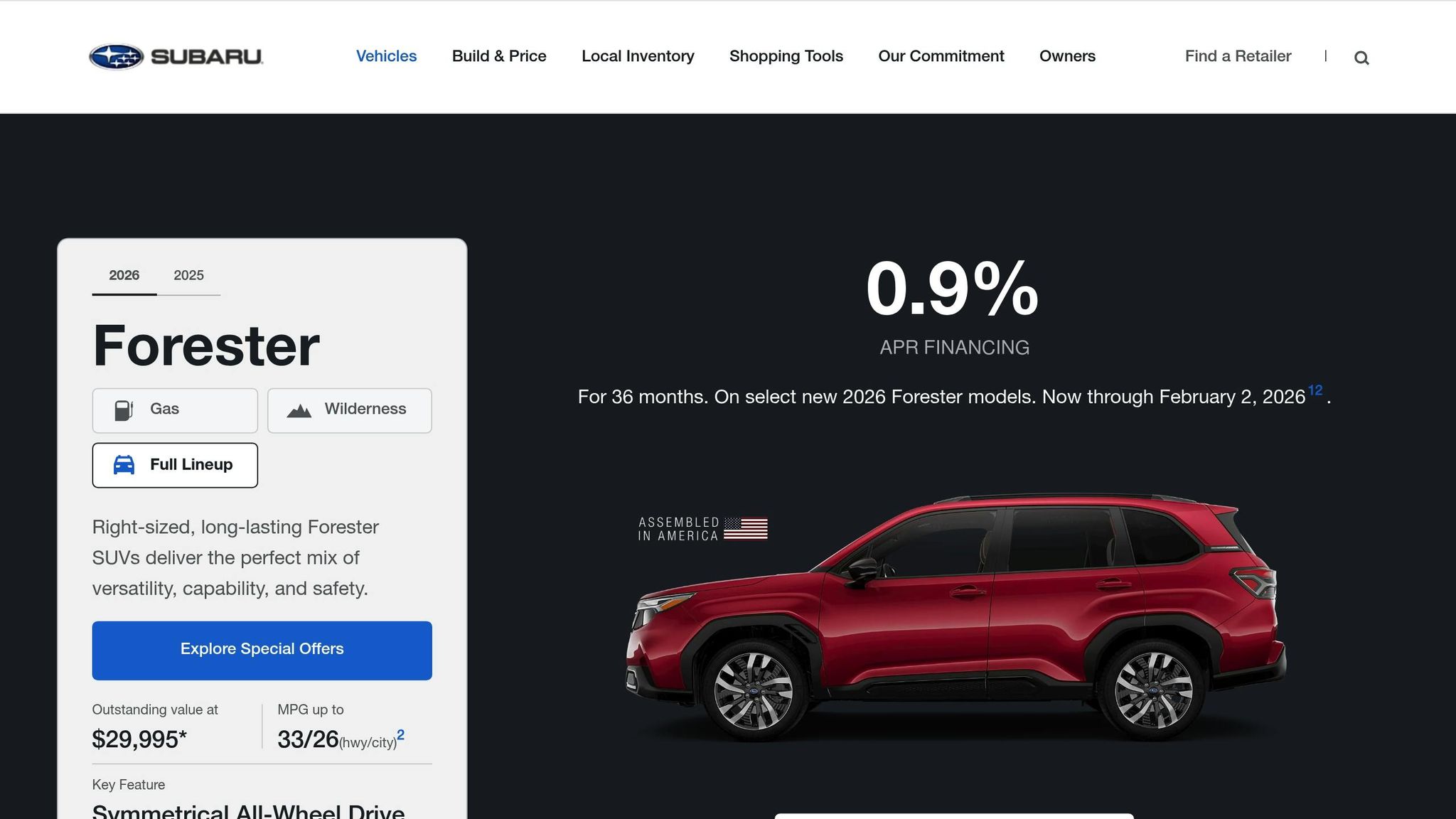
The Subaru Forester is powered by a 2.0L boxer engine and features the Symmetrical All-Wheel Drive (AWD) system, offering solid traction on both highways and Uganda’s murram roads. Here’s a closer look at how it performs on the country’s challenging terrain.
Durability on Ugandan Roads
With its high ground clearance and sturdy construction, the Forester handles potholes and rough terrain with ease. The Symmetrical AWD system ensures excellent grip on slippery and uneven roads, making it a dependable choice for hilly regions and off-road conditions common outside Uganda’s urban areas. However, it’s crucial to stick to the recommended timing belt replacement schedule to avoid costly engine issues.
Affordability and Resale Value
Used Subaru Forester models typically cost between UGX 35,000,000 and UGX 55,000,000. When factoring in local taxes and import duties (adding around 30–40%), it still maintains a strong resale value. Like many popular Japanese imports, its durability contributes to its steady demand in the used car market.
Ease of Maintenance and Availability of Spare Parts
Subaru Foresters are relatively easy to maintain, thanks to local service centers equipped to handle repairs. Genuine spare parts are widely available, especially in Kampala’s Kawempe market, often at prices below standard retail. However, Subaru parts can be more expensive compared to parts for some mainstream brands. Overall, maintenance costs for Japanese vehicles, including the Forester, are about 20% lower than for European models.
Fuel Efficiency for Urban and Rural Driving
The Forester delivers an average fuel economy of 10–13 km/l. While not as efficient as smaller sedans, this is typical for an AWD SUV. With fuel prices around UGX 5,500 per liter in 2025, annual fuel expenses for driving approximately 20,000 km range from UGX 8,460,000 to UGX 11,000,000.
Up next, we’ll explore a Toyota model that blends luxury with practicality for Ugandan roads.
sbb-itb-7bab64a
6. Toyota Harrier
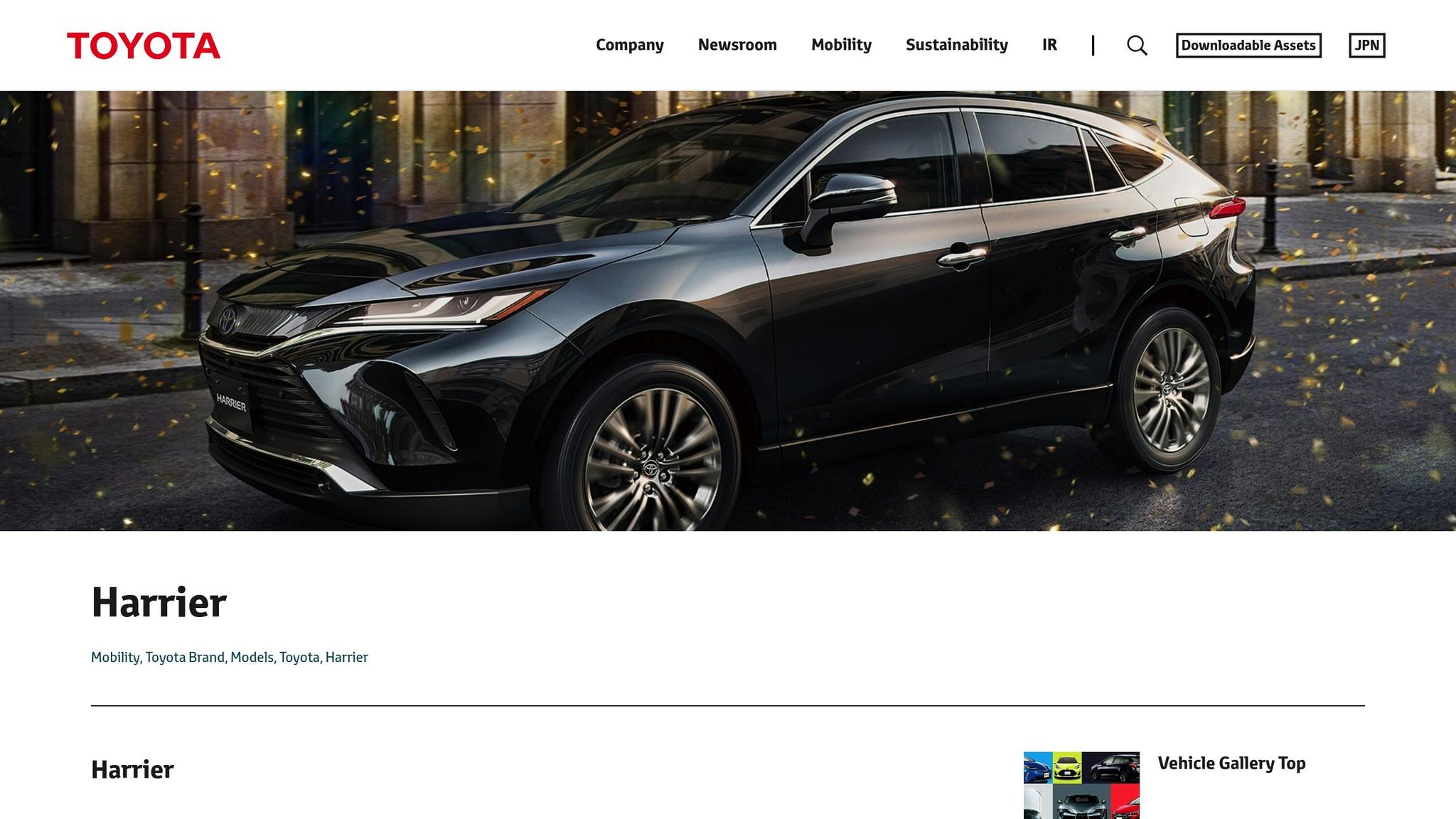
The Toyota Harrier combines premium comfort with durability, powered by a 2.0-liter engine that delivers 152 horsepower.
Durability on Ugandan Roads
Uganda’s roads can be challenging, with potholes and murram tracks posing daily obstacles. The Harrier is built to handle these conditions with ease, offering a smooth ride that prioritizes comfort over rugged off-roading capabilities. Its sturdy construction ensures reliability for both city commutes in Kampala and journeys to rural areas. This durability also helps maintain its long-term value.
Affordability and Resale Value
In Uganda, used Toyota Harrier models typically range between UGX 45 million and UGX 70 million. For 2015 models, prices hover around UGX 60 million to UGX 70 million, depending on mileage and condition. While it’s pricier than smaller options like the Corolla, the Harrier holds its value well, making it an attractive option for those seeking a blend of prestige and comfort.
Ease of Maintenance and Spare Parts Availability
The Harrier benefits from an excellent supply of spare parts across Uganda, particularly in Kampala’s Kawempe market, where genuine parts are available at prices approximately 15% lower than standard retail rates. Maintenance costs are also relatively affordable when compared to European SUVs, which adds to its appeal.
Fuel Efficiency for Urban and Rural Driving
The Harrier offers fuel efficiency of about 10–13 km per liter, which is typical for a luxury SUV but less economical than smaller sedans. With fuel priced at UGX 5,500 per liter, driving 20,000 km annually would cost between UGX 8,460,000 and UGX 11,000,000. Despite its higher fuel consumption, the Harrier’s comfort and status make it a popular choice among Ugandan drivers.
7. Toyota Vitz
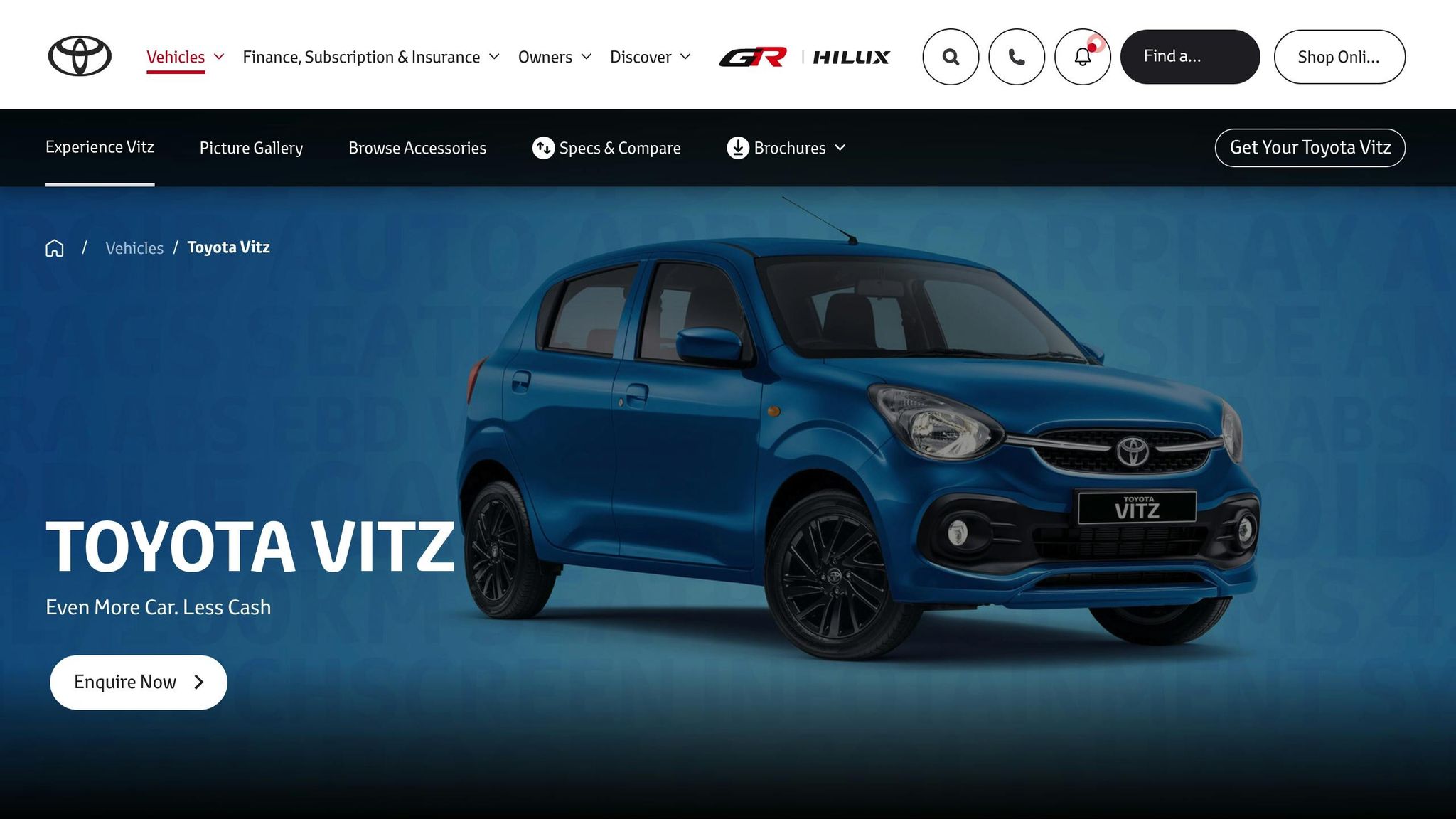
The Toyota Vitz, also known as the Yaris or Echo, is a compact hatchback that’s a popular choice for first-time car buyers and students in Uganda. With used models typically costing between UGX 15 million and UGX 22 million, it offers a more budget-friendly option compared to larger sedans like the Corolla, which starts at UGX 25 million. Its compact size, nimble handling, and ease of parking make it especially suited for navigating busy city streets. Let’s take a closer look at what makes the Vitz a practical option for urban drivers.
Durability on Ugandan Roads
The Vitz is well-suited for city driving, with its compact design and 1.0L engine excelling on paved urban roads. However, its lower ground clearance and smaller engine can make it less ideal for tackling steep hills or rough rural terrain. If you frequently drive outside the city on rugged roads, a crossover or SUV might be a better fit. For those sticking to urban areas, third-generation models (2010 and newer) bring added perks like a sportier design and more interior space, making them even more appealing.
Affordability and Resale Value
Toyota’s strong presence in Uganda ensures solid resale value for the Vitz. With over 85% of vehicles on Ugandan roads being pre-owned imports – most of them from Japan – there’s a thriving market for spare parts and services. When shopping for a used Vitz, it’s important to check the mileage and request Japanese auction sheets to confirm the car’s history, as odometer tampering is a known issue in the used car market.
Ease of Maintenance and Spare Parts Availability
One of the Vitz’s standout qualities is its low maintenance cost. Toyota’s extensive service network in Uganda ensures that spare parts are easy to find and affordable, making upkeep straightforward for owners.
Fuel Efficiency for Urban and Rural Driving
For budget-conscious drivers, the Vitz is a great choice thanks to its impressive fuel efficiency. It averages 16–18 km/l, which helps keep fuel expenses manageable, especially with current fuel prices at around UGX 5,500 per liter. This efficiency makes it ideal for daily city commutes and occasional longer drives.
8. Subaru Legacy
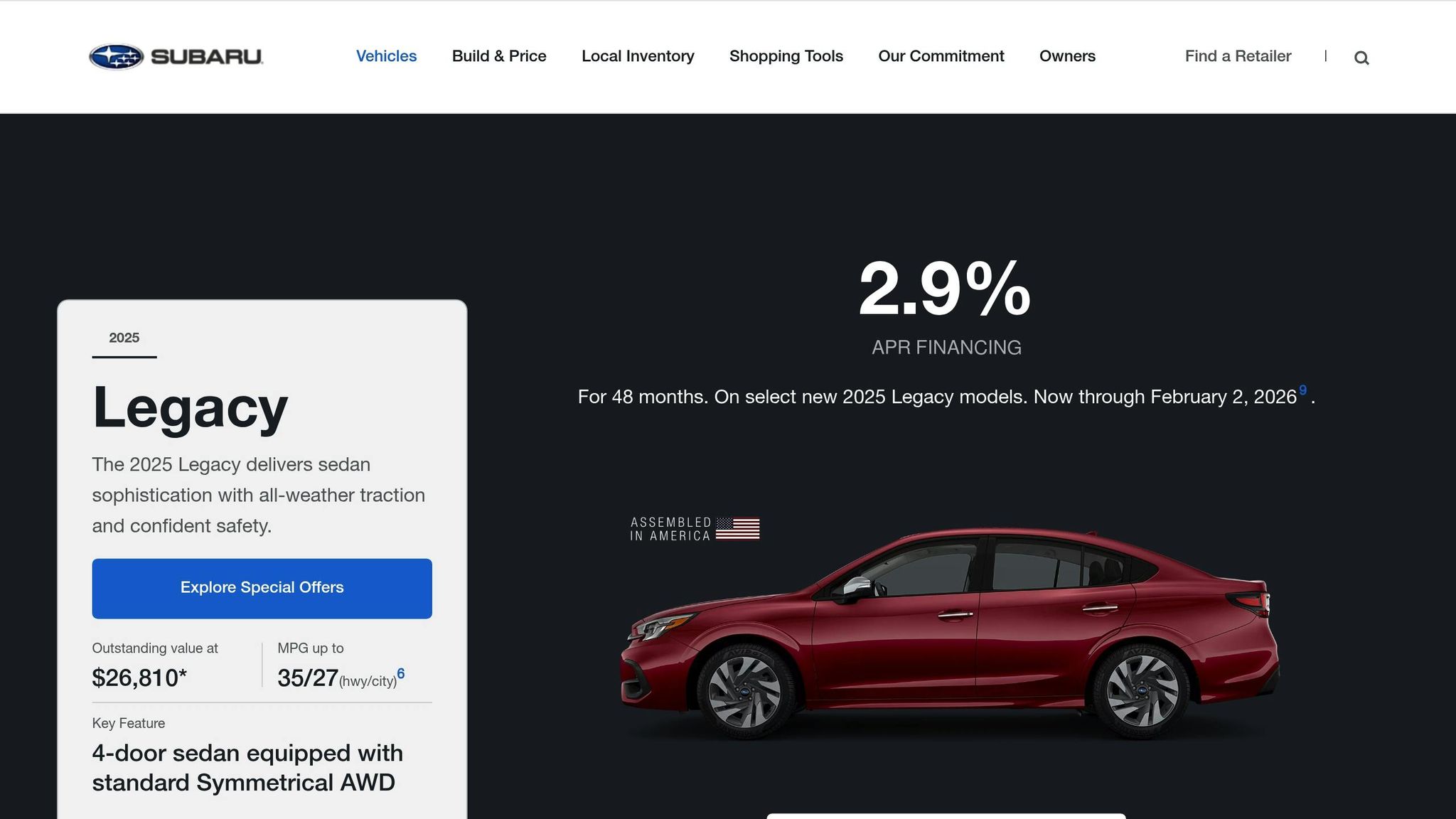
The Subaru Legacy is a mid-size sedan designed for city drivers who occasionally venture off the beaten path. Pre-owned models are usually priced between UGX 25 million and UGX 38 million. Its standout feature is the Symmetrical All-Wheel Drive (AWD) system, which provides better traction compared to front-wheel-drive sedans. This makes it a solid choice for navigating both Kampala’s busy streets and Uganda’s unpredictable rural roads. Let’s take a closer look at how the Legacy handles Uganda’s driving challenges.
Durability on Ugandan Roads
Uganda’s diverse terrain is no match for the Legacy, largely thanks to its AWD system. Subaru’s engineering is built with real-world conditions in mind. The AWD system shines on slippery murram roads and steep inclines. However, some 2019 models have reported issues like infotainment glitches, battery drainage, and exhaust gasket problems. If you’re considering a used Legacy, inspect the battery and touchscreen thoroughly.
Affordability and Resale Value
Japanese cars are known for holding their value in Uganda, and the Legacy is no different. An impressive 94% of Legacy vehicles sold in the last decade are still operational, highlighting its longevity. With Japanese cars making up 70% of Uganda’s vehicle market, demand remains strong, which helps maintain resale prices. When buying a used Legacy, always check for Japanese auction sheets to confirm the vehicle’s mileage and condition, as odometer tampering is a common issue in the used car market.
Maintenance and Spare Parts Availability
While Japanese vehicles generally cost 20% less to maintain than their European counterparts, Subaru parts are pricier compared to more mainstream brands like Toyota. Fortunately, mechanics in cities like Kampala, Jinja, and Entebbe are well-versed in Japanese car repairs, making routine maintenance relatively simple. That said, the Legacy’s boxer engine and AWD system require regular attention, especially the timing belt, to ensure long-term performance.
Fuel Efficiency for Urban and Rural Driving
In addition to its durability and strong resale value, the Legacy offers respectable fuel economy. It averages 16–18 km/l, which is comparable to other small sedans. With fuel prices hovering around UGX 5,500 per liter, annual fuel expenses for driving 20,000 km are estimated to range between UGX 6,100,000 and UGX 6,875,000. While hybrid cars can deliver better mileage at 22–25 km/l, the Legacy’s AWD system provides a practical balance for drivers who need reliable traction and versatility beyond city limits.
9. Toyota Noah
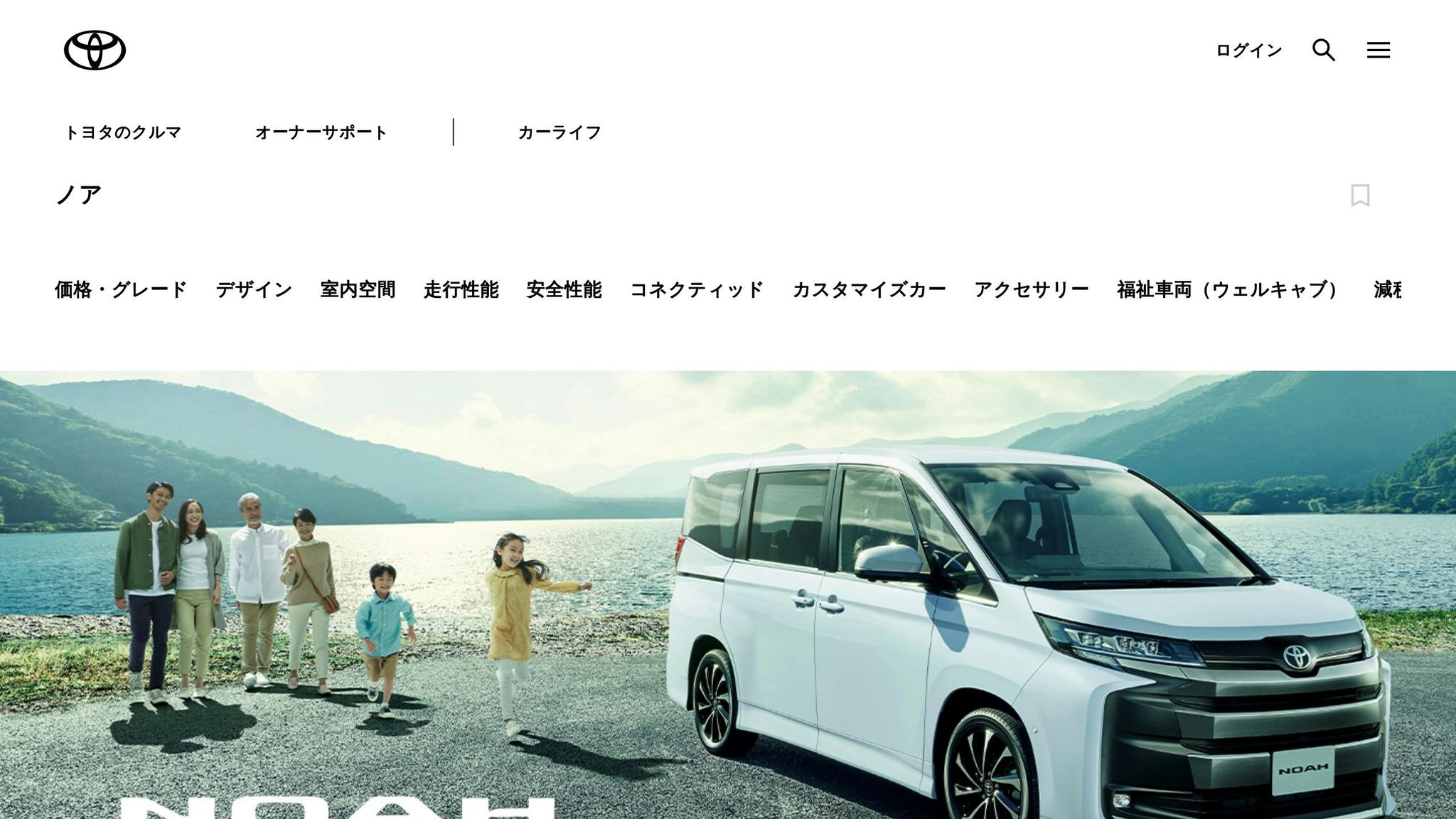
The Toyota Noah is a versatile minivan with seating for 7–8 passengers, making it a great option for large families or small businesses. Used models generally fall within the range of UGX 30,000,000 to UGX 45,000,000, though higher-trim versions in excellent condition can go up to UGX 50,000,000. Known for its roomy interior, sliding doors for easy access, and practical design, the Noah is perfect for school runs and family outings. However, its larger size can pose challenges when parking in crowded areas like Kampala. Let’s take a closer look at why this vehicle is well-suited to Uganda’s demanding road conditions.
Durability on Ugandan Roads
The Toyota Noah is built to handle Uganda’s varied terrain with ease. It performs reliably on both smooth highways and rough murram roads, offering a stable and comfortable ride. With options for front-wheel drive and 4WD, the Noah is equipped to tackle potholes and uneven surfaces, thanks to features like ABS and EBD for added stability. Its 2.0L engine, delivering 154 horsepower, is well-suited for long-distance travel and high-altitude routes. For those frequently traveling upcountry, the 4WD version provides better traction, especially on slippery or muddy roads.
Affordability and Resale Value
Affordability is another strong point for the Toyota Noah. Its popularity ensures high resale value, as many Ugandans trust the Toyota brand for its dependability and long lifespan. Maintenance costs are also about 20% lower compared to European vehicles, making it a budget-friendly choice. For buyers considering a used Noah, checking mileage through Japanese auction sheets is a smart way to confirm the vehicle’s history.
Ease of Maintenance and Spare Parts Availability
Finding spare parts for the Noah is straightforward, with availability in major cities like Kampala, Jinja, and Entebbe. This minimizes repair delays and ensures that maintenance is hassle-free. Ugandan mechanics are highly familiar with Toyota vehicles, making servicing simple and cost-effective. For the best deals on genuine parts, many buyers turn to the Kawempe market, where prices can be roughly 15% lower than typical retail rates. Regular maintenance, especially for the suspension, is essential to keep the vehicle in good shape given Uganda’s pothole-ridden roads.
Fuel Efficiency for City and Rural Use
The Noah offers an average fuel efficiency of around 11 km per liter (approximately 25 mpg). With fuel prices hovering at UGX 5,500 per liter, annual fuel expenses for driving 20,000 km would be about UGX 10,000,000. While it doesn’t match the fuel efficiency of smaller sedans, the Noah makes up for it with its spacious seating and versatility, making it an excellent choice for families who need a reliable vehicle that can handle both city streets and rural adventures.
10. Mazda Demio
The Mazda Demio is a compact, fuel-efficient car that’s perfect for city driving. Priced between UGX 18,000,000 and UGX 27,000,000 for used models, it’s an attractive choice for first-time car buyers and young professionals. With its sleek design and agile handling, it’s a breeze to park in tight spaces, while the 1.5L Skyactiv engine strikes a great balance between performance and fuel economy. However, it’s worth noting that the Demio is more suited for urban commutes than off-road adventures. Let’s dive into its durability, affordability, maintenance, and fuel efficiency.
Durability on Ugandan Roads
The Demio was built with urban roads in mind. Its compact size and lower ground clearance make it less ideal for navigating deep potholes or rough murram roads. That said, it boasts an impressive 96.8% reliability rating, which aligns well with the demands of Kampala’s streets.
Affordability and Resale Value
With a budget-friendly price tag, the Demio is an excellent option for buyers looking to save. Maintenance costs for Japanese imports like this one are typically about 20% lower than those of European brands. Its low upkeep costs also contribute to a solid resale value, though competition in the market is stiff. The fourth-generation Demio even earned the prestigious 2014–2015 Car of the Year Japan award, showcasing its high standards of quality.
Ease of Maintenance and Spare Parts Availability
For urban dwellers, maintaining a Demio is relatively hassle-free. Spare parts are readily available in cities like Kampala, though they may be harder to find in rural areas. Approximately 14% of owners report minor issues that can usually be resolved within a day. Key maintenance tasks include regular brake inspections and monitoring the 12-volt battery and electrical systems. If you live outside urban areas, it’s a good idea to check the availability of Mazda-specific parts nearby before making a purchase.
Fuel Efficiency for City and Highway Driving
The Demio’s 1.5L Skyactiv engine is a standout feature, delivering impressive fuel efficiency – a major plus when fuel costs around UGX 5,500 per liter. While actual consumption depends on driving conditions, the engine is designed to offer a great mix of economy and a sporty feel, making it an excellent choice for navigating Kampala’s busy streets.
Conclusion
The ten cars highlighted here all excel in one key area: dependability. This makes them particularly well-suited for Uganda’s demanding driving conditions. Japanese models dominate the list, thanks to their durability and ability to navigate everything from Kampala’s bustling streets to the rugged murram roads found in rural areas. Each recommendation in this guide is tailored to provide reliable, low-maintenance transportation for Uganda’s diverse landscapes.
What sets these vehicles apart is their combination of reliability and affordability. With spare parts readily available at reasonable prices and maintenance costs averaging about 20% less than European models, they’re a smart financial choice. Plus, their strong resale values help protect your investment over time.
When deciding on the right car, consider your driving habits. For city dwellers, compact options like the Vitz or Demio are ideal, offering great fuel efficiency and easy maneuverability. If you need a family-friendly option, the Noah’s seven-seater design is a practical pick. For those frequently traveling on rough terrain, prioritize vehicles with high ground clearance and optional AWD systems, such as the Hilux, Land Cruiser, or Forester. Keep in mind that import fees can significantly impact the total cost of your purchase.
Before sealing the deal, take steps to ensure you’re getting a quality vehicle. Check the car’s history using Japanese auction sheets to confirm its mileage and condition. A trusted mechanic should inspect key components like the engine, suspension, and chassis for any signs of rust or previous damage. Also, make sure the car meets Uganda’s current import regulations.
Fuel efficiency is another critical factor. Hybrid models, in particular, can lead to considerable savings on fuel costs over time compared to traditional SUVs.
FAQs
Why are Japanese cars so popular in Uganda?
Japanese cars have earned a strong reputation in Uganda, thanks to their durability, affordability, and reliability – qualities that make them ideal for the country’s tough road conditions. Built to handle rough terrains, steep hills, and heavy loads, these vehicles often outlast and outperform many of their competitors.
Another big advantage is their fuel efficiency, with many models delivering 40 miles per gallon or more. On top of that, maintaining a Japanese car is far less expensive compared to European brands. Spare parts are easy to find in major cities like Kampala, and local mechanics are well-versed in servicing popular models like the Toyota Corolla, Mazda Demio, and Mitsubishi Pajero, making repairs both quick and affordable.
Used Japanese cars are another reason for their popularity. They offer budget-friendly options for those who can’t afford a new car, while still delivering dependable performance. Add in their strong resale value, and it’s clear why Japanese cars are the go-to choice for Ugandan drivers seeking reliable and cost-effective transportation.
How does the fuel efficiency of hybrid cars compare to traditional SUVs in Uganda?
Hybrid cars in Uganda are a game-changer when it comes to fuel efficiency compared to the traditional SUVs that dominate the roads. Take the Toyota Corolla Hybrid, for example – it manages an impressive 32–41 mpg. Then there’s the Toyota Aqua Hybrid, which takes it up a notch with a fuel economy of 52–56 mpg. Both models are tailored to deliver excellent mileage while staying practical for Uganda’s driving conditions.
On the other hand, conventional SUVs like the Mitsubishi Pajero, Toyota Prado, and Nissan Caravan come with larger, non-hybrid engines that guzzle more fuel. While exact mileage figures for these SUVs can be hard to pin down, they typically fall short by about 10–20 mpg compared to hybrids. For drivers in Uganda looking to save at the pump, hybrids clearly stand out as the more economical option.
What should I look for when choosing a car for both city and rural driving in Uganda?
When picking a car for Uganda’s varied driving conditions, ground clearance and durability should be top priorities. Many roads outside urban areas are unpaved, so a vehicle with a higher clearance and a tough suspension system is better equipped to handle potholes and rough terrain. A solid build, including a strong chassis and drivetrain, ensures the car can handle both the stop-and-go of city traffic and the challenges of rural travel.
You’ll also want to factor in fuel efficiency and maintenance costs to keep your budget in check. Cars that deliver good mileage – like compact models capable of 30–40 mpg – can help you save on fuel, especially with prices that often fluctuate. Stick to brands like Toyota or Suzuki, which are known for widely available spare parts and affordable servicing in Uganda. Don’t forget to consider the initial purchase price and resale value – vehicles with a solid reputation tend to hold their value better in the local market.
Ultimately, your choice should match your lifestyle. Compact sedans or hatchbacks are great for navigating city streets, while SUVs or crossovers provide more cargo space and better traction for rural adventures. By weighing these factors, you can find a car that’s practical for both urban commutes and off-road journeys.
Related Blog Posts
- 5 Most Reliable Family Cars Under $10,000 in Uganda
- Cheapest used cars in Uganda 2025
- Most popular cars in Uganda
- Top 5 Cars to Buy in Uganda for Less Than UGX 30,000,000