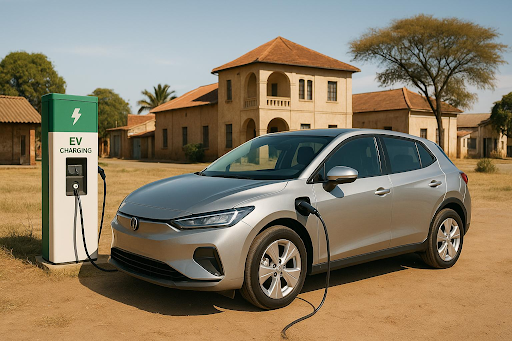
As we move into 2026, the roar of internal combustion engines on Kampala’s streets is increasingly being joined by the quiet hum of electric motors. With global fuel prices remaining volatile and environmental concerns hitting closer to home, many Ugandan motorists are asking the big question: Is 2026 finally the year to switch to an electric vehicle (EV)?
The transition to e-mobility in Uganda is no longer just a “green dream”—it is a practical reality supported by new infrastructure and government policy. However, the decision to go electric involves weighing significant long-term savings against unique local challenges.
The Pros: Why Going Electric Makes Sense in 2026
1. Massive Savings on Running Costs
The most immediate benefit for any Ugandan driver is the cost of “fueling.” Charging an EV using Uganda’s national grid—which is over 90% powered by renewable hydropower—costs roughly 60% less than filling a tank with petrol. For a daily commuter in Kampala, this can translate into millions of Shillings saved annually.
2. Drastically Lower Maintenance
Electric vehicles have about 20 moving parts, whereas a traditional engine has over 2,000. This means no more oil changes, spark plug replacements, or timing belt worries. For a deeper look at how this compares to traditional cars, you can read more about maintaining your engine for longevity to see just how much simpler the electric alternative is.
3. Government Incentives and Tax Breaks
In 2026, the Ugandan government continues to support the National E-Mobility Strategy. This includes reduced import duties and VAT exemptions for electric vehicles and charging equipment. These policies aim to make the “sticker price” of an EV more competitive with traditional used imports.
The Cons: Challenges to Consider
1. The Infrastructure Gap
While public charging stations have launched at sites like Amber House and Twed Towers in Kampala, the network is still growing. If you frequently travel to remote “upcountry” areas where the grid is unstable, range anxiety remains a valid concern.
2. Higher Upfront Costs
Despite tax incentives, the initial purchase price of a high-quality EV remains higher than that of a standard petrol car. However, for those looking to explore sustainable mobility, EV24.africa offers import options for electric cars, expanding choices in the Ugandan market with models like the Nissan Leaf or BYD Dolphin that balance price and performance.
3. Resale Value and Battery Health
In the Ugandan heat, battery degradation is a factor. Unlike a Toyota Corolla, which holds its value remarkably well on the local market, the resale value of a used EV depends heavily on the health of its battery pack, which can be expensive to replace.
Practical Tips for Potential EV Owners
If you are leaning toward going electric this year, keep these tips in mind:
- Install a Home Charger: Don’t rely solely on public stations. Setting up a Level 2 home charger is the most cost-effective way to keep your car ready.
- Check Ground Clearance: Many EVs are designed for smooth city roads. Ensure the model you choose can handle Ugandan speed bumps and occasional potholes.
- Source from Trusted Platforms: When looking for a vehicle that can handle our local conditions, check out auto24.ug. You might find a Toyota Prius Hybrid (a great middle-ground if you aren’t ready for 100% electric) or a robust Mitsubishi Outlander PHEV listed on their local site.
Where to Find Expert Advice
Making the switch requires staying informed. For the latest automotive news, car reviews, and travel guides tailored for Ugandan drivers, carkibanda.com is an essential external resource. It provides a platform for both purchasing and learning about the latest vehicle technologies hitting our market.
Additionally, for localized driving tips and news on the evolving charging network in the Pearl of Africa, automag.ug remains the go-to hosting website for enthusiasts.
Discover additional tips on vehicle efficiency and road safety here. Read more on automag.ug
Conclusion: Is it Time?
In 2026, going electric is an excellent choice for city dwellers and fleet owners who can charge at home or work. While the infrastructure is still catching up for long-distance travelers, the economic and environmental benefits are hard to ignore. Whether you choose a full EV or a reliable hybrid from auto24.ug, the future of Ugandan driving is undeniably shifting toward cleaner energy.