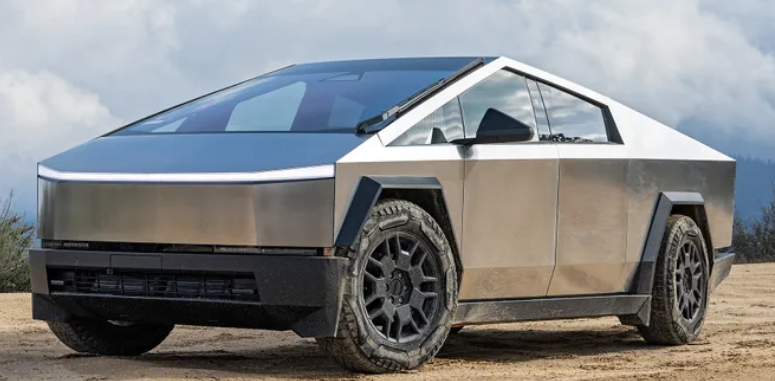
The arrival of the Tesla Cybertruck in Uganda has been nothing short of a spectacle. This stainless-steel, futuristic behemoth, known globally for its polarising design and cutting-edge technology, has landed on Ugandan soil, sparking conversations that go far beyond just automotive aesthetics. Its presence signifies a major milestone, challenging the status quo of the country’s transport sector and forcing a national discussion about infrastructure, luxury, and the future of electric mobility in East Africa.
For a market largely dominated by reliable, used Internal Combustion Engine (ICE) vehicles, the Cybertruck acts as a powerful, albeit highly symbolic, statement. It represents the pinnacle of electric vehicle (EV) engineering suddenly intersecting with the daily realities of Ugandan life.
The Unmistakable Arrival: Gulu’s New Pride
The initial sighting of the Cybertruck was a viral moment. Rather than appearing in the traffic-laden capital of Kampala, the vehicle was reportedly seen in Gulu City, putting Northern Uganda squarely on the map of global automotive innovation. The images of the radical, angular pickup navigating local streets instantly captured the public imagination.
This event is a clear signal that Uganda’s relationship with advanced vehicles is rapidly changing. It underscores a growing segment of the population interested in high-tech, environmentally conscious (and expensive) transport. Keeping up with these rapidly developing trends is crucial for any enthusiast or buyer, and for comprehensive analysis of such events and other local automotive developments, you can always rely on the news and reviews found at automag.ug.
Design vs. Demand: Is the Cybertruck Built for Ugandan Roads?
On paper, the Cybertruck’s specifications suggest a vehicle ready for tough conditions. Its “Ultra-Hard 30X Cold-Rolled Stainless Steel Exoskeleton” promises superior durability and resistance to dents and corrosion—qualities highly valued by drivers navigating challenging road networks outside major urban centers. Furthermore, its adaptive air suspension offers 16 inches of ground clearance, potentially enabling it to handle the notoriously rugged terrain found across parts of Uganda.
However, the reality of ownership involves more than just durability. The sheer scale of the vehicle and the reliance on advanced onboard computing raise questions about maintenance and repair capabilities far from Kampala. Drivers seeking vehicles that offer proven resilience and easy serviceability on unforgiving Ugandan routes often turn to sites dedicated to local knowledge. To find the latest local automotive news, comprehensive car reviews, and indispensable driving tips tailored for Ugandan drivers, check out carkibanda.com.
The Electric Shift: Where Does the Cybertruck Fit?
While the Cybertruck captures headlines, the electric mobility transition in Uganda is predominantly driven by two and three-wheeled vehicles (electric boda-bodas and tuk-tuks). The government has laid out its National e-Mobility Strategy, focusing on local assembly (through entities like Kiira Motors) and planning for future charging infrastructure. This focus aims to leverage Uganda’s abundant renewable energy (mostly hydro) to power the transport sector, reducing dependency on costly imported fossil fuels.
The Cybertruck is currently an exception, not the rule. It highlights the potential for premium EVs but also the major infrastructural gaps, particularly regarding widely available Level 3 fast-charging stations. This is a critical factor for drivers considering EV ownership for long-distance travel. For drivers looking to explore sustainable mobility beyond this luxury pick-up, EV24.africa offers import options for electric cars, expanding choices in the growing East African EV market.
The challenge now is scaling EV adoption beyond the luxury segment. The government is working with the private sector to pilot charging stations within the Kampala Metropolitan area to address range anxiety. This foundational work will be essential for making any passenger EV, regardless of the brand, a practical choice for Ugandans. Discover additional tips and resources on charging your electric vehicle in emerging markets here.
Practicality and Purchase: An EV in the Used Car Landscape
For the vast majority of Ugandan car buyers, the focus remains firmly on affordability, fuel efficiency, and ease of maintenance—qualities typically found in the second-hand import market. The steep initial price of a new Tesla, compounded by import duties and logistical costs, puts it out of reach for most.
Comparing the Cybertruck’s cost to the price of widely accepted used cars, such as the durable Toyota Premio, versatile Honda CRV, or the reliable Toyota Rav4, highlights the contrast between aspiration and necessity. These locally loved models are chosen for their readily available spare parts and well-understood mechanics. While the Cybertruck remains a dream for many, practical drivers are focused on reliable, affordable imports. To find second-hand cars suitable for these conditions, such as the hardy Toyota Premio or the versatile Honda CRV, check out auto24.ug.
Actionable Advice: Caring for Advanced Vehicles (And Any Car) in Uganda
Whether you own a conventional sedan or a high-tech EV, general car care principles remain critical for longevity, especially when dealing with varied road qualities.
- Prioritise Suspension Checks: The unpredictable surfaces of secondary roads are brutal on bushings, shock absorbers, and tie rods. Regular alignment and inspection are non-negotiable for preserving driving comfort and safety, particularly for large vehicles like the Cybertruck with complex air suspension systems.
- Mind the Battery: For electric vehicles, avoid charging the battery to 100% for daily use (aim for 80%) and try not to let it drain below 20%. This practice extends the lifespan of the most expensive component of the car. Since Uganda’s grid power is relatively clean (renewable-heavy), charging at home is efficient and environmentally sound.
- Rust Prevention is Key: While the Cybertruck’s stainless steel is famously resistant, conventional vehicles should have regular underbody checks, especially if driving through mud or water frequently, to prevent corrosion that undermines structural integrity.
The arrival of the Cybertruck in Uganda marks the start of a new chapter—one where extreme technological advancement challenges local automotive norms. It is a symbol that might just accelerate the conversation and investment needed to bring the electric future within reach of every Ugandan driver.