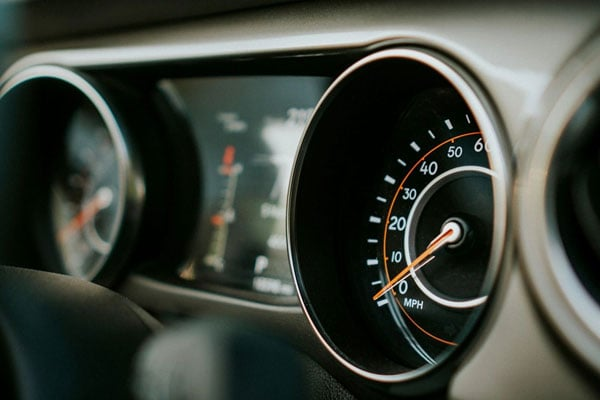
It is a common scenario: you are driving through the busy streets of Kampala, and as the evening draws in, you switch on your headlights. Then, to beat the heat, you switch on the air conditioning. Suddenly, you notice a subtle but noticeable dip in your dashboard lights. They dim momentarily, or stay perpetually dull, a clear sign that your vehicle’s electrical system is under strain.
For drivers in Uganda, where reliability is paramount, this symptom is a critical warning sign. It signifies a voltage drop—a technical term for a struggling power supply. While the problem might seem minor, it points to deeper issues in your car’s electrical “Big Three”: the Battery, the Alternator, and the Wiring.
Addressing this promptly is vital to prevent more significant failures, such as a dead battery in the middle of a trip. Here is a detailed breakdown of the causes and the actionable steps to fix this common issue.
1. The Core Issue: A System-Wide Voltage Drain
Your car runs on a delicate balance of electrical power. The battery provides power to start the car, but once running, the alternator takes over, generating electricity to run all accessories (lights, radio, AC) and recharge the battery.
When you switch on high-demand accessories like the headlights or the Air Conditioning (which engages a high-current clutch on the compressor), the electrical demand spikes. If the system is healthy, the alternator instantly compensates. If the system is weak, the voltage momentarily drops across the entire vehicle, and the most sensitive components—like your interior dashboard lights—are the first to show the strain by dimming.
2. Culprit A: The Failing or Weak Battery
While the alternator powers the car when running, the battery acts as a crucial electrical buffer. It must be healthy enough to absorb sudden load changes. A weak, old, or improperly maintained battery is often the first reason for voltage dip symptoms.
Actionable Fix: Inspection and Load Testing
- Check Battery Terminals: In the humid, dusty conditions prevalent in Uganda, corrosion (a white or green powdery build-up) on the battery terminals is common. This corrosion creates resistance, acting like a bottleneck that restricts the flow of high-current electricity, making the whole system weak.
- Tip: Disconnect the battery (negative terminal first!), clean the terminals and posts with a wire brush and a solution of baking soda and water, rinse, dry, and reattach firmly.
- Test the Battery: Have a mechanic perform a load test. A battery that has trouble holding a charge, even if it starts the car, will struggle to manage the extra load from the AC or headlights. Ensuring your battery is in peak condition is a fundamental part of reliable car ownership in Africa. Discover additional tips on proper battery maintenance and testing techniques [Read more here] to avoid unexpected breakdowns.
3. Culprit B: The Overburdened Alternator
If your battery is sound, the alternator is the next suspect. Its job is to generate enough electricity (usually 13.8 to 14.5 volts) to keep all accessories running smoothly.
A faulty or worn alternator will struggle to match the sudden, heavy demands of accessories like the headlights (especially if you have bright aftermarket lights) and the AC compressor. This inability to keep up leads directly to the voltage dip you see on your dashboard.
Actionable Fix: Alternator Output Test
- Voltage Check: With the car running, headlights and AC on maximum, measure the voltage across the battery terminals. If the voltage drops significantly below 13 volts, the alternator is likely failing and unable to generate adequate power under load.
- Belt Tension: A common but overlooked issue is a loose or worn serpentine belt that drives the alternator. If the belt is slipping, the alternator isn’t spinning fast enough to generate full output. This is a quick and affordable fix.
Keeping up with maintenance is key to avoiding these issues. For reliable car care advice, market updates, and driving tips tailored to the Ugandan environment, be sure to check out automag.ug.
4. Addressing Wiring and Ground Issues
Even a perfect battery and alternator can’t fix bad wiring. A car’s electrical system relies on good grounds—points where the electrical circuit connects to the car’s metal chassis. Rust, dust, or simple loose bolts can compromise these ground points.
A poor ground connection creates high resistance. When you switch on a major accessory, the power struggles to complete the circuit, causing the voltage to drop and the lights to dim. These poor ground connections are often found near the battery, the engine block, or under the dashboard.
Actionable Fix: Locating and Cleaning Grounds
- Follow the Cables: Visually inspect the main negative battery cable where it connects to the chassis and the engine block.
- Clean and Secure: Disconnect and thoroughly clean any rusty or corroded ground points with a wire brush, then re-secure the connection tightly. This simple step can often restore full voltage capacity to the entire system.
5. Next Steps: When It’s Time to Consider an Upgrade
If you’ve checked the battery and alternator, and cleaned all the ground points, but the voltage dips persist, it may indicate a deeper, chronic electrical issue that is expensive to trace and fix. This is a sign of general wear and tear, especially common in vehicles that have seen heavy use.
If you are facing repeated electrical faults and repair bills, it might be time to invest in a more reliable vehicle. You can find a range of reliable second-hand cars that handle the local environment well, such as the practical and fuel-efficient Toyota Vitz, the popular saloon Toyota Premio, or a durable Suzuki Grand Vitara. To explore your options and find used cars in good condition, check out auto24.ug.
For local insights, expert mechanic listings, and trustworthy guides on car ownership and purchasing, another valuable resource for Ugandan motorists is carkibanda.com.
The Move Towards Sustainable Power
Finally, as we look to the future, remember that fully electric vehicles (EVs) have simpler electrical architecture for their accessories, relying on a large, high-voltage battery managed by sophisticated electronics. This eliminates the traditional alternator-driven issues that plague older cars.
For drivers looking to explore sustainable mobility and step away from the common issues of aging Internal Combustion Engine (ICE) electrical systems, EV24.africa offers import options for electric cars, expanding choices in the Ugandan automotive market for those seeking modern, low-maintenance transport solutions.