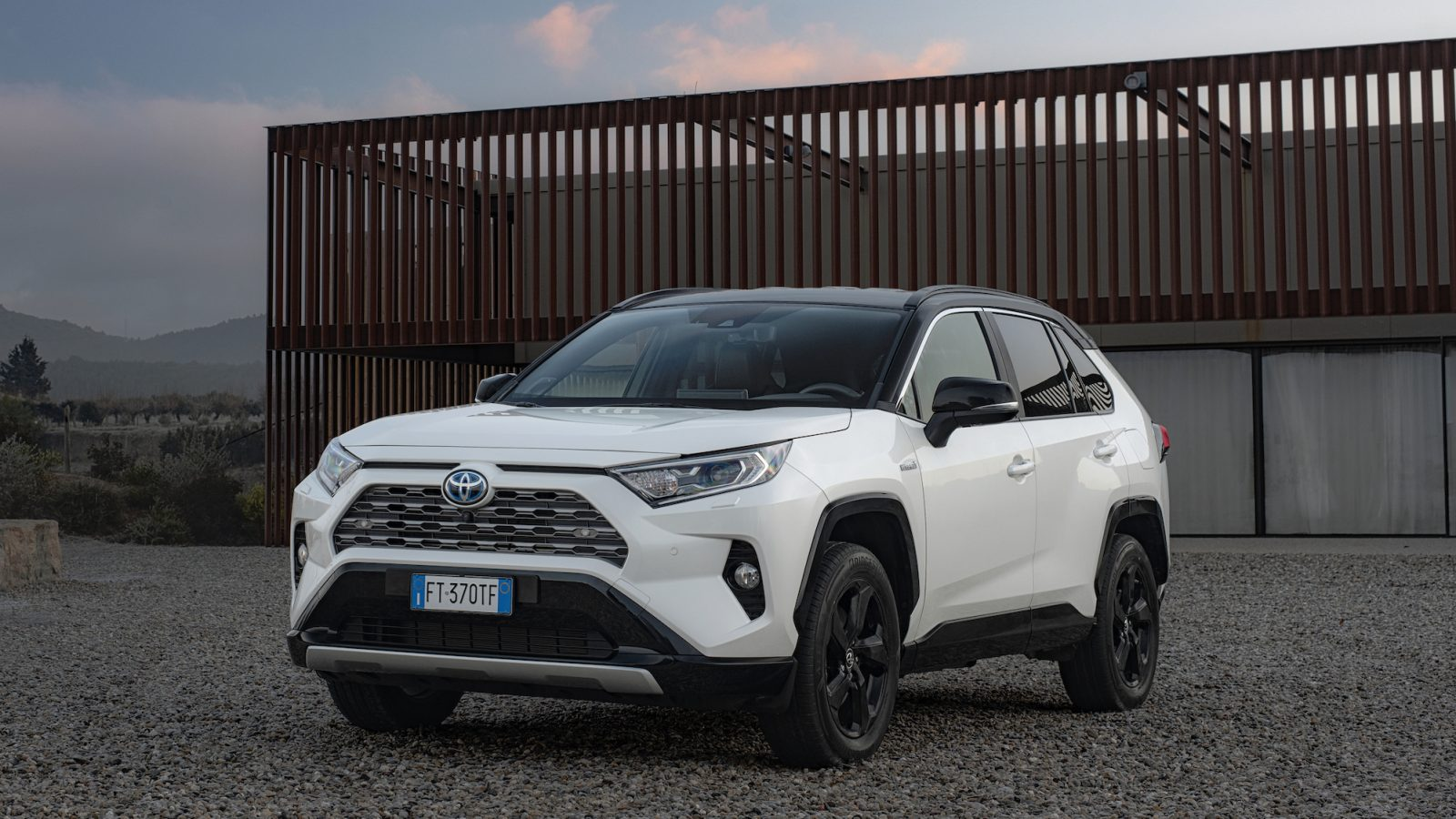
Drive around Kampala on any given weekday morning and you will notice something almost immediately: the Toyota RAV4 is everywhere. From the school run in Ntinda to the early morning commute along Entebbe Road, this compact SUV has quietly become one of the most trusted family vehicles in Uganda. And it is not hard to understand why.
The RAV4 strikes a balance that is genuinely difficult to achieve: it is comfortable enough for daily city driving, practical enough to handle the school run and weekly shopping, tough enough to manage Uganda’s rougher roads when the family heads upcountry, and economical enough that it does not drain the household budget every time you fill the tank. That combination — comfort, practicality, toughness, and economy — is precisely what most Ugandan families need from a car.
This review takes a thorough look at the Toyota RAV4 through the lens of Kampala’s roads, Uganda’s driving conditions, and the specific demands of family motoring. We cover the generations available in Uganda’s used car market, the engine options, real-world fuel economy, reliability, running costs, and the practical day-to-day experience of living with this vehicle. Whether you are buying your first SUV or upgrading from a saloon, this guide will help you decide whether the RAV4 is the right choice for your family.
For more Uganda-focused car reviews, road guides, and the latest automotive news, visit automag.ug — an essential resource for drivers and car enthusiasts across Uganda.
Toyota RAV4 Generations Available in Uganda’s Market
The Toyota RAV4 has been in production since 1994 and has gone through five generations. In Uganda’s used car market, you will primarily encounter the 3rd, 4th, and occasionally the 5th generation models. Here is what distinguishes each.
3rd Generation RAV4 (2006–2012) — The Value Buy
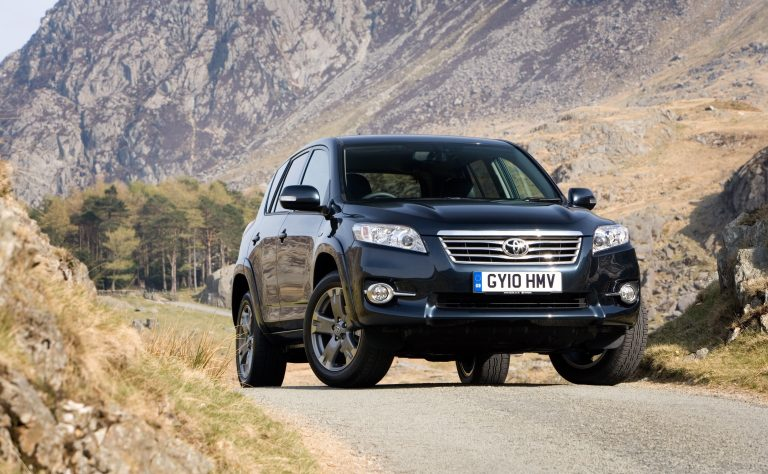
The 3rd generation RAV4 is the most affordable entry point into RAV4 ownership in Uganda and represents outstanding value for buyers on a moderate budget. It is a larger, more mature design than its predecessors, offering proper five-seat accommodation with genuine legroom in the rear, a respectable boot, and Toyota’s proven reliability in abundance.
The most common engine option in this generation on Uganda’s market is the 2.0-litre petrol (1AZ-FE or 2AZ-FE) and the 2.4-litre petrol (2AZ-FE). A 2.2-litre diesel (2AD-FTV) variant exists but is less common in Uganda. The 4-cylinder engines are smooth and reasonably frugal. Ground clearance of 197mm is adequate for most Kampala roads and light off-road use.
The 3rd generation’s main weaknesses are the age of available units (most are now 12 to 18 years old) and the potential for high mileage. A well-maintained example with full service history is still a smart buy, but a thorough pre-purchase inspection is particularly important for this generation.
4th Generation RAV4 (2013–2018) — The Sweet Spot
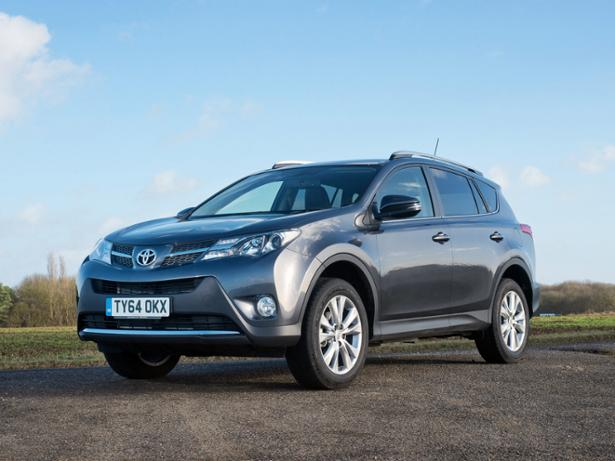
Among Kampala’s family car buyers, the 4th generation RAV4 is widely considered the sweet spot — recent enough to offer modern safety features and comfort, but old enough to be well within the budgets of most middle-income Ugandan families. It is the generation you will see most frequently on Kampala’s roads.
The 4th gen brought a significant step up in interior quality, with a more refined dashboard layout, improved infotainment, and noticeably better build quality throughout the cabin. The standard 2.0-litre (3ZR-FE/FAE) and 2.5-litre (2AR-FE) petrol engines are both reliable and reasonably efficient. A 2.2-litre diesel variant (2AD-FHV) provides stronger low-end torque and better fuel economy for families doing longer distances.
Safety features on 4th generation models include Vehicle Stability Control (VSC), Traction Control (TRC), and ABS with EBD as standard. Higher-spec units add a reverse camera, parking sensors, lane departure warning, and automatic pre-collision braking — features that are particularly valuable in Kampala’s unpredictable traffic.
5th Generation RAV4 (2019–present) — The Premium Option
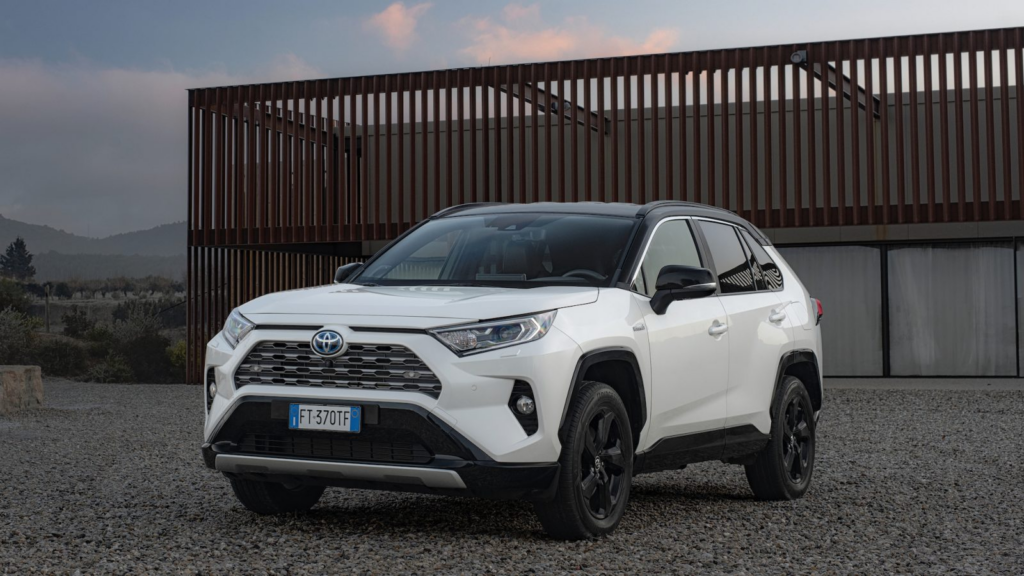
The 5th generation RAV4 represents a bolder, more aggressive design direction from Toyota, with sharper exterior styling, a completely redesigned interior, and the introduction of a hybrid powertrain (RAV4 Hybrid) that has proven popular in markets where fuel costs are a primary concern.
In Uganda, 5th generation RAV4s are available but at a price premium that puts them beyond many family buyers. Ground clearance increased to 222mm, and the addition of Toyota’s Adventure and Trail-oriented variants makes this generation noticeably more capable off-road than its predecessors. For families who regularly travel upcountry on rough roads, the 5th generation’s improved ground clearance and all-wheel drive system is a genuine upgrade.
Quick Generation Guide: 3rd gen (2006–2012) = best value / budget buy. 4th gen (2013–2018) = sweet spot for most Ugandan families. 5th gen (2019–present) = premium features, best ground clearance, hybrid option available.
Toyota RAV4 Key Specifications at a Glance
The table below summarises the key specifications for the most commonly available RAV4 generations in Uganda’s used car market.
| Specification | Details |
| Body Type | 5-door Compact SUV |
| Seating Capacity | 5 passengers |
| Engine Options (common in Uganda) | 2.0L petrol (3ZR-FE), 2.5L petrol (2AR-FE), 2.2L diesel (2AD-FTV/FHV) |
| Transmission | 6-speed automatic (4th/5th gen), 4-speed / CVT (3rd gen) |
| Drive System | 2WD (front-wheel drive) or AWD / 4WD depending on variant |
| Ground Clearance | 197mm (3rd gen), 197–204mm (4th gen), 222mm (5th gen) |
| Boot Capacity | Approx. 547L (seats up), 1,633L (seats folded) |
| Fuel Tank Capacity | 60 litres (3rd/4th gen), 55 litres (5th gen) |
| Kerb Weight | Approx. 1,540–1,730kg depending on variant |
| Towing Capacity | Up to 1,500kg (braked trailer) on AWD variants |
The RAV4 on Kampala Roads: A Real-World Assessment
Specification sheets tell you what a car can do in theory. Kampala’s roads tell you what it can actually do in practice. Here is an honest assessment of the RAV4’s strengths and limitations in the city environment most Ugandan buyers will primarily use it in.
Handling Kampala’s Potholes and Speed Bumps
Kampala’s road surface varies enormously. A smooth tarmac section can give way to a crater-filled stretch within a hundred metres, and speed bumps appear at irregular intervals with heights that range from mild inconvenience to axle-threatening. The RAV4’s ground clearance — particularly on the 4th and 5th generation — handles these challenges comfortably without the scraping and bottoming out that afflicts lower saloon cars.
The suspension calibration on all generations leans toward comfort, which works well for the broken surface reality of Ugandan roads. The ride quality absorbs smaller road imperfections without drama, and the body roll in corners is controlled without being harsh. Passengers — particularly children and elderly family members — will notice the difference compared to a saloon car over a rough stretch.
Visibility and Urban Manoeuvring
The RAV4’s seating position is one of its best assets for Kampala driving. Sitting higher than a saloon gives the driver a clear view over traffic, making it easier to anticipate the boda boda that is about to cut across three lanes, the taxi that is stopping without warning, or the pedestrian stepping off the pavement. This visibility genuinely reduces stress in heavy Kampala traffic.
The turning circle is manageable for a vehicle of this size. U-turns on typical Kampala roads are achievable in a single lock on most 4th and 5th generation models. The 3rd generation is slightly larger and may require a three-point turn on narrower roads. Parking sensors and a reverse camera (standard on many 4th gen and all 5th gen variants) make parking in tight Kampala spaces considerably less stressful.
Fuel Economy in Kampala Traffic
This is one of the most frequently asked questions about the RAV4 among Ugandan buyers, and the honest answer is that fuel economy in Kampala’s stop-start traffic is noticeably worse than the manufacturer’s combined cycle figures suggest.
In real Kampala conditions, owners of the 2.0-litre petrol 4th generation RAV4 typically report fuel consumption of between 9 and 12 litres per 100km (roughly 8 to 11km per litre) in city driving. On highway driving to destinations like Jinja, Mbarara, or Mbale, this improves to 7 to 9 litres per 100km (11 to 14km per litre). The 2.5-litre petrol uses slightly more fuel, while the 2.2-litre diesel offers the best economy across both city and highway use.
Owner Fuel Tip: RAV4 owners in Kampala consistently report that keeping tyres properly inflated (check monthly — 2.2 to 2.4 bar front and rear for standard driving loads), avoiding prolonged idling in traffic with the A/C running at maximum, and using the ECO driving mode where fitted can reduce fuel consumption by 10 to 15 percent in city conditions.
Family Practicality: What Life With the RAV4 Actually Looks Like
For a family car to earn its place in a Ugandan household, it needs to pass a more demanding test than a spec sheet review. Here is how the RAV4 performs on the practical daily demands of family life in Kampala.
Interior Space and Comfort
The RAV4’s five-seat interior is genuinely spacious for a compact SUV. Rear passengers have adequate legroom even when front seats are set for tall adults, and the wide rear bench comfortably accommodates three children or two adults with room to spare. The high seating position means children can see out of the windows easily — a small detail that makes a big difference on long journeys.
The 4th and 5th generation cabins are well-insulated from road noise and engine sound at highway speeds, creating a calm environment for family conversations, in-car entertainment, and those unavoidable long journeys to visit relatives upcountry. The climate control system — particularly the dual-zone option on higher-spec variants — manages Uganda’s heat effectively.
Boot Space and Carrying Capacity
With rear seats up, the RAV4 provides approximately 547 litres of boot space. This accommodates a full weekly grocery shop, a pushchair, a school bag collection, and still leaves room for a sports kit. Fold the rear seats flat and you unlock over 1,600 litres of load space — enough for furniture, camping equipment for a family of five, or the contents of a university student’s room during move-in weekend.
The load lip (the height between the ground and the boot floor) is reasonable, making loading heavy items like water jerricans, bags of produce, or generator sets manageable without requiring excessive lifting height.
Child Safety Features
The RAV4 comes standard with ISOFIX child seat anchor points on the rear outer seats from the 4th generation onwards. This is important for Ugandan families with young children — properly secured child seats are significantly safer than lap-belt-only installations in the event of an accident. The rear door opening angle is wide, making installation and removal of child seats straightforward.
Side curtain airbags (on higher-spec variants) extend protection across both front and rear passengers in a side-impact collision. For families, this rear-passenger coverage is a meaningful safety advantage over many competitors in this price range.
Entertainment and Connectivity
4th generation RAV4s typically feature a 6 to 8-inch touchscreen infotainment system with Bluetooth audio, USB connectivity, and hands-free phone calling. 5th generation models add Apple CarPlay and Android Auto compatibility on most variants. For families with children who rely on device connectivity during long journeys, this feature is more practical than it might initially appear.
RAV4 Reliability in Uganda: What Owners Say
Toyota’s reputation for reliability is not just marketing. In Uganda’s mechanical reality — where roads are hard, service intervals are sometimes extended out of necessity, and the nearest Toyota-authorised service centre may be several hours away — the RAV4’s reliability track record is one of its most important real-world advantages.
Engine and Drivetrain Reliability
The 2AR-FE 2.5-litre petrol engine found in most 4th generation RAV4s is widely considered one of Toyota’s most durable and straightforward engines. It is not known for significant common failures, responds well to regular servicing, and is familiar to most qualified mechanics in Kampala and upcountry towns. Parts are readily available.
The 2.2-litre diesel (2AD-FTV and 2AD-FHV) engines offer excellent torque and fuel economy but have a known weakness: injector and high-pressure fuel pump issues at very high mileages, particularly when lower-quality diesel fuel has been used. If you are buying a diesel RAV4 with above 150,000km, a compression test and fuel system inspection by a diesel specialist is recommended before purchase.
The All-Wheel Drive (AWD) system on equipped variants has proven reliable in Uganda’s conditions, though it is worth noting that the RAV4’s AWD is an on-demand system (not a permanent low-range 4WD) and is designed for added traction on slippery surfaces rather than serious off-road work. For deep mud or river crossings, a dedicated 4WD vehicle remains more appropriate.
Common Issues to Know About
• Oil consumption (3rd gen 2AZ-FE): Some 3rd generation 2.4-litre RAV4s are known for higher-than-normal oil consumption due to piston ring wear. Check the dipstick carefully during inspection and ask the seller about top-up frequency.
• Suspension bushing wear: A consistent complaint from Ugandan RAV4 owners is that the front lower control arm bushings wear faster on Uganda’s rough roads than Toyota’s design lifespan assumes. Budget for replacement every 40,000 to 60,000km in Ugandan conditions. The symptom is a knocking or clunking from the front suspension over rough surfaces.
• Rust on older models: 3rd generation RAV4s imported from Japan or the UK may show rust in the wheel arches and under the door sills. This is cosmetic in most cases but should be treated before it becomes structural.
• Infotainment system lag (4th gen): Some owners note that the factory infotainment unit on mid-spec 4th generation models becomes slow and unresponsive with age. This is not a mechanical concern but can be annoying in daily use. Aftermarket unit replacements are available at Kampala electronics markets for approximately UGX 300,000 to 600,000.
RAV4 Running Costs in Uganda: A Practical Breakdown
Understanding what a vehicle costs beyond the purchase price is essential for responsible family budgeting. Here is an honest breakdown of the RAV4’s ownership costs in Uganda.
Routine Servicing
A standard RAV4 service (engine oil and filter change) at a reputable Kampala garage costs between UGX 150,000 and 250,000 for parts and labour, depending on the oil grade specified (5W-30 or 0W-20 full synthetic is recommended for 4th and 5th gen engines). Toyota recommends an oil change every 5,000km with conventional oil or 10,000km with full synthetic oil. In Uganda’s dusty driving conditions, the shorter 5,000km interval is advisable.
A full service including air filter, cabin filter, spark plugs, and brake fluid change (recommended every 30,000km or two years) will cost approximately UGX 500,000 to 800,000 at a trusted independent garage. Toyota Uganda’s authorised service centres will charge more but offer genuine parts with a service warranty.
Tyres
The standard tyre size on most 4th generation RAV4s is 225/65R17 or 235/55R18 depending on the trim level. Quality replacement tyres in these sizes — Bridgestone Dueler, Michelin Primacy, or Yokohama Geolandar — cost between UGX 250,000 and 400,000 each in Kampala. Budget for a full set replacement (four tyres) every 60,000 to 80,000km under normal Kampala conditions.
Insurance
Comprehensive insurance for a 4th generation RAV4 valued at UGX 40 to 55 million typically costs between UGX 1.2 million and 2.0 million per year depending on the insurer, the driver’s age, and the sum insured. Third-party only cover is legally required but provides no protection for your own vehicle.
Purchase Price Range in Uganda
Current market pricing for the Toyota RAV4 in Uganda varies by generation, mileage, and condition. As a general guide based on current listings:
• 3rd generation (2006–2012): UGX 28 million to 42 million
• 4th generation (2013–2018): UGX 42 million to 65 million
• 5th generation (2019–present): UGX 68 million to 95 million and above
For the most up-to-date RAV4 listings in Uganda, browse auto24.ug where you can filter by year, mileage, and price to find options that match your budget. Alongside the RAV4, the platform also lists other popular family SUVs such as the Nissan X-Trail, Toyota Harrier, Subaru Forester, and Honda CR-V — useful for comparison shopping before committing to a purchase.
Practical RAV4 Car Care Tips for Uganda’s Conditions
Owning a RAV4 in Uganda is a smart investment. Protecting that investment with proper maintenance extends the vehicle’s lifespan and significantly reduces unplanned repair bills. These tips are specific to Uganda’s climate and road conditions.
Engine and Oil Management
• Use the correct oil specification: The 4th gen 2AR-FE engine is specified for 0W-20 or 5W-30 full synthetic oil. Using incorrect oil grades — common at some roadside garages — can accelerate engine wear. Always specify the grade yourself when taking the vehicle for a service and check the container label before allowing the mechanic to pour.
• Change oil at 5,000km intervals in Uganda: The manufacturer’s 10,000km interval assumes clean fuel, quality oil, and moderate driving conditions. Uganda’s dusty roads, fuel quality variation, and stop-start city driving justify a shorter interval. The additional cost is small compared to the protection it provides.
• Check oil level monthly: Even a healthy RAV4 engine benefits from monthly oil level checks, particularly during hot weather when oil thins and consumption increases slightly.
Cooling System
• Check coolant level and condition every service: Uganda’s heat places greater thermal stress on the cooling system than cooler climates. Ensure the coolant is at the correct level and that it has been flushed and replaced within the last three years or 60,000km. Degraded coolant loses its corrosion-inhibiting properties and accelerates internal engine damage.
• Inspect radiator for mud and debris: After driving on dusty or muddy roads, mud accumulates on the front of the radiator and restricts airflow. A gentle rinse with a garden hose (avoid high-pressure washers directed at the radiator core) every few months is sufficient.
Suspension and Tyres
• Inspect control arm bushings every 40,000km: As noted in the reliability section, these are a known wear point in Uganda’s conditions. Early replacement before they completely fail prevents damage to the control arm and steering components.
• Rotate tyres every 10,000km: Tyre rotation evens out wear across all four positions, extending the overall tyre lifespan and maintaining balanced handling.
• Wheel alignment after upcountry trips: Rough road driving frequently knocks the wheel alignment out of specification. Poor alignment causes uneven tyre wear and subtle handling problems. An alignment check costs approximately UGX 30,000 to 50,000 at most Kampala garages.
Air Conditioning
• Service the A/C annually: Uganda’s year-round heat means the RAV4’s air conditioning runs almost constantly. Annual A/C servicing — including a refrigerant level check, cabin filter replacement, and condenser cleaning — keeps the system efficient and prevents the musty smell that develops in poorly maintained systems.
• Park in shade where possible: Prolonged direct sun exposure degrades the rubber seals around the A/C system and increases the cabin temperature that the system must overcome when the car is started. Simple but effective.
RAV4 vs Competitors in Uganda: How It Stacks Up
The RAV4 does not exist in isolation. Ugandan family car buyers comparing options will frequently encounter these alternatives. Here is a fair assessment of how the RAV4 compares.
Toyota RAV4 vs Nissan X-Trail
The Nissan X-Trail is the RAV4’s most direct competitor in Uganda’s market and offers a genuine seven-seat option on certain variants — a significant advantage for larger families. The X-Trail is slightly more affordable at equivalent model years and has a comfortable ride quality. However, the RAV4 edges ahead on overall reliability track record, engine refinement, and the depth of Toyota’s spare parts network in Uganda. For a family needing occasional seven-seat capacity, the X-Trail warrants serious consideration. For those who prioritise long-term reliability and lower servicing costs, the RAV4 wins.
Toyota RAV4 vs Subaru Forester
The Subaru Forester offers excellent all-wheel drive capability and a more involving driving experience. Its symmetrical AWD system is one of the best in class for wet and slippery conditions. However, the Forester’s fuel consumption is generally higher than the RAV4’s, and Subaru’s spare parts availability and specialist mechanic network in Uganda is significantly more limited than Toyota’s. For a family that stays primarily in and around Kampala, the Forester is a capable choice. For those who travel regularly to remote areas, the RAV4’s broader support network is a stronger practical argument.
Toyota RAV4 vs Honda CR-V
The Honda CR-V is a refined, comfortable family SUV that competes closely with the RAV4 on interior quality and fuel efficiency. The CR-V’s interior is arguably more premium-feeling than the equivalent RAV4 generation. However, Honda’s service and parts network in Uganda is narrower than Toyota’s, which can mean longer waits and higher costs for specific components upcountry. The RAV4 has a slight edge for buyers whose driving regularly takes them beyond Kampala.
Looking to the Future: RAV4 Hybrid and Electric Options for Uganda
One of the most exciting developments in the RAV4 lineup is the hybrid powertrain introduced in the 5th generation. The RAV4 Hybrid pairs a 2.5-litre petrol engine with an electric motor to deliver improved fuel economy and reduced emissions without the range anxiety of a fully electric vehicle. Hybrid RAV4s are beginning to appear in Uganda’s used import market and are worth considering for Kampala families who cover significant daily distances.
For drivers looking to explore fully electric mobility beyond the hybrid option, EV24.africa offers import options for electric vehicles into Uganda, expanding the choices available to forward-thinking Ugandan families. As EV charging infrastructure develops along Uganda’s main urban corridors, the case for electric family SUVs will strengthen considerably. EV24.africa provides current, practical information on which EV models are importable, what the real-world running costs look like, and what the charging landscape in Uganda currently offers.
For families interested in a more sustainable motoring future without fully committing to electric, the RAV4 Hybrid represents a pragmatic bridge — lower fuel costs than a pure petrol RAV4, no charging infrastructure dependence, and the same Toyota reliability that Ugandan owners have trusted for decades.
Where to Buy a Toyota RAV4 in Uganda
There are several reliable channels for purchasing a RAV4 in Uganda, each with different advantages depending on your budget and preference for support.
• Verified online marketplaces: auto24.ug lists current RAV4 options across all generations with specifications, pricing, and condition details. It is an excellent starting point for research and comparison. Other popular family SUVs like the Toyota Harrier, Nissan X-Trail, and Subaru Forester are also listed, allowing direct side-by-side comparisons before you visit any dealer.
• Authorised Toyota dealers: Toyota Uganda’s authorised network offers certified pre-owned vehicles with basic inspection guarantees and access to genuine parts servicing. Prices are typically higher than the open market, but the added peace of mind is worth a premium for buyers who are less confident in their mechanical knowledge.
• Reputable independent dealers: Established car bonds in Kampala (Kireka, Ntinda, Nasser Road area) have reputable dealers who specialise in Japanese imports. Check dealer reviews, ask for pre-sale inspection reports, and always verify documents through URA before completing any purchase.
• Private sellers: Private sales can offer the best prices but require the most due diligence from the buyer. Use the inspection checklist approach described in our separate buying guide, verify the logbook at URA, and insist on completing the ownership transfer on the day of payment.
For comprehensive buying guides, model comparisons, and Uganda road trip planning resources, carkibanda.com is a valuable platform combining editorial advice with a car marketplace tailored specifically for Ugandan buyers.
Final Verdict: Is the Toyota RAV4 Right for Your Kampala Family?
After a thorough look at every aspect of RAV4 ownership in Uganda, the verdict is clear: for the majority of Kampala families seeking a reliable, practical, comfortable, and long-lasting SUV, the Toyota RAV4 is one of the best choices available in Uganda’s used car market.
It is not perfect. The suspension bushings need attention in Uganda’s conditions, the diesel engine requires clean fuel and careful maintenance, and the 2WD variant is not suited to serious off-road work. But in the context of Kampala’s daily school run, the family weekend trip, and the occasional upcountry journey, the RAV4 delivers a genuinely well-rounded ownership experience that is hard to match at its price point.
Our recommended choice for most Ugandan families is the 4th generation RAV4 (2013–2018) with the 2.5-litre petrol engine in AWD configuration, with a thorough pre-purchase inspection and documented service history. This is the sweet spot of capability, reliability, and value that explains why the RAV4 is one of the most consistently popular SUVs in Uganda’s market today.
RAV4 Bottom Line: Excellent family SUV for Kampala commuting and upcountry travel. Best generation to buy: 4th gen (2013–2018). Engine to prioritise: 2.5L petrol AWD. Key maintenance watch points: oil change intervals, front suspension bushings, and A/C servicing. Overall owner satisfaction in Uganda: very high.
Frequently Asked Questions (FAQs)
Which RAV4 generation is best to buy in Uganda?
For most Ugandan buyers, the 4th generation RAV4 (2013–2018) represents the best overall value. It offers modern safety features, a refined interior, reliable engines, and falls within the budget of many middle-income families. The 2.5-litre AWD variant is the most recommended specification. The 5th generation is superior in most ways but commands a significantly higher purchase price. The 3rd generation offers excellent value but requires careful inspection given its age.
Is the Toyota RAV4 good for Uganda’s rough roads?
Yes, the RAV4 handles Uganda’s road conditions very well for a family SUV. Its ground clearance, comfortable suspension, and competent AWD system manage potholes, murram roads, and light off-road sections confidently. It is important to note that the RAV4’s AWD system is designed for added traction on slippery or uneven surfaces, not for serious rock crawling or deep river crossing. For very demanding off-road work, a dedicated 4WD vehicle (Land Cruiser, Patrol) remains more appropriate.
What is the fuel consumption of the Toyota RAV4 in Kampala?
In real Kampala traffic conditions, the 2.0-litre petrol RAV4 returns approximately 9 to 12 litres per 100km (8 to 11km per litre). The 2.5-litre petrol uses slightly more in city driving. The 2.2-litre diesel is the most economical option, typically achieving 7 to 9 litres per 100km in city conditions. The RAV4 Hybrid (5th gen) offers the best overall economy at approximately 6 to 7.5 litres per 100km in mixed Kampala conditions.
How much does it cost to maintain a RAV4 in Uganda annually?
Annual maintenance costs for a 4th generation RAV4 under normal Kampala usage (approximately 15,000 to 20,000km per year) typically fall between UGX 800,000 and 1,500,000. This covers two or three oil changes, an air filter, cabin filter, brake fluid change, and tyre rotation. Major service items (spark plugs, timing chain inspection, transmission service) add to this figure every 60,000 to 100,000km. Budgeting UGX 100,000 to 150,000 per month for routine maintenance is a reasonable working figure.
Is the Toyota RAV4 good for families with young children?
Yes, the RAV4 is particularly well-suited for young families. ISOFIX anchor points for child seats (4th and 5th gen), rear side curtain airbags on higher-spec models, a high seating position for clear visibility, wide rear door openings for easy child seat access, and a spacious rear cabin that accommodates three children comfortably all make it an excellent practical choice for families with young children.
Where can I find a reliable Toyota RAV4 for sale in Uganda?
The most reliable starting points for RAV4 research and purchase in Uganda are verified online marketplaces such as auto24.ug, Toyota Uganda’s authorised dealer network, and established independent dealers in Kampala’s main car bond areas. For additional buyer guidance and car reviews tailored to Uganda, visit automag.ug and carkibanda.com.
Does the RAV4 have four-wheel drive?
Depending on the variant, yes. The RAV4 is available in both 2WD (front-wheel drive) and AWD (all-wheel drive) configurations. The AWD system is an on-demand electronically controlled system that distributes torque to the rear wheels when front wheel slip is detected. It is effective for wet roads, light mud, and uneven surfaces but is not a traditional low-range 4WD system. Always confirm the drive system with the seller and check the logbook specifications before purchase.
What should I check when buying a used RAV4 in Uganda?
The key inspection points for a used RAV4 in Uganda include: oil condition and level (check for milkiness indicating head gasket issues), front suspension bushing condition (listen for knocking over bumps), all dashboard warning lights (ensure none remain on after startup), AWD system function (engage AWD and confirm engagement), chassis number verification against the logbook, and a URA ownership and duty check. A pre-purchase inspection by an independent mechanic familiar with Toyota vehicles is strongly recommended for 4th and 5th generation models above UGX 45 million.