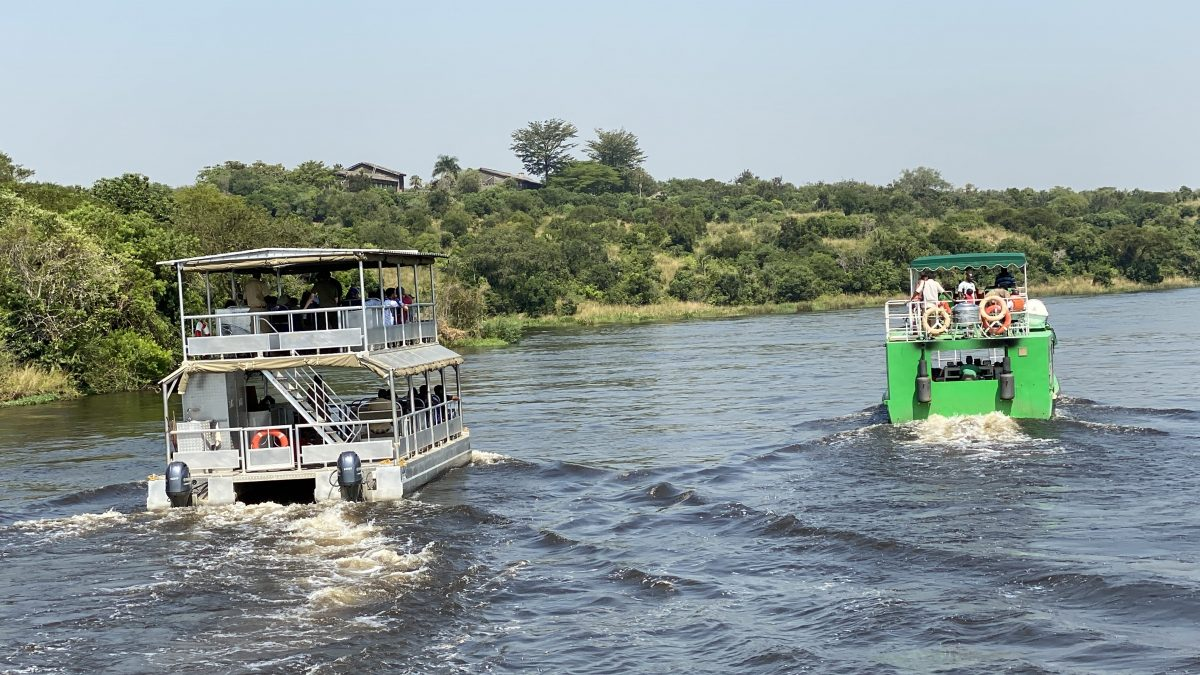
There is something about driving toward Lake Victoria that feels different from any other road trip in Uganda. Perhaps it is the gradual appearance of the water between the trees as you descend from the highlands. Perhaps it is the smell of the lake breeze that starts filtering through the windows well before the shore comes into view. Or perhaps it is the quiet understanding that you are approaching the world’s largest tropical lake — a body of water so vast it has its own weather systems, its own fish species found nowhere else on earth, and shorelines stretching across three countries.
Uganda claims some of the most beautiful sections of Lake Victoria’s 4,828-kilometre shoreline. From the Ssese Islands archipelago in the west to the historic fishing communities of Jinja and Busia in the east, the lake’s Ugandan shore is a road tripper’s dream: varied landscapes, accessible from Kampala in a few hours, and dotted with beaches, fishing villages, island ferry crossings, and hidden coves that reward the curious driver.
But driving to and around Lake Victoria is not simply a matter of filling the tank and heading south or east. The roads vary enormously in quality. The humidity near the lake accelerates vehicle wear. The occasional ferry crossing adds a logistical dimension that requires planning. And the diversity of destinations — from the polished resorts of Munyonyo to the raw beauty of Kalangala’s red-earth tracks — demands different vehicle preparations depending on where you are headed.
This guide covers everything: the best road trip routes around Lake Victoria from Uganda, detailed vehicle preparation checklists, road condition warnings, packing lists, safety tips, and practical advice for making the most of one of East Africa’s most rewarding driving adventures.
For more Uganda driving guides, road trip ideas, and vehicle reviews tailored to Ugandan roads and conditions, visit automag.ug — the go-to resource for Uganda’s driving community.
Why Lake Victoria Road Trips Deserve a Spot on Every Ugandan Driver’s List
Uganda’s national parks rightfully attract most of the attention when it comes to travel planning — Murchison Falls, Queen Elizabeth, Bwindi, and Kidepo are world-class destinations that would be highlights in any country. But the Lake Victoria circuit offers something different: a driving experience that combines scenic beauty, cultural richness, accessible beaches, and manageable driving distances without requiring days of preparation or specialist vehicles.
From central Kampala, you can be watching the sun set over the lake’s western shores at Munyonyo in under thirty minutes. You can be at the source of the Nile in Jinja in under two hours. The Ssese Islands, reached via the Nakiwogo ferry in Entebbe, offer an island road trip experience that feels genuinely remote without being logistically daunting. And the drive east along the lake toward Busia passes through some of Uganda’s richest agricultural land with lake views appearing and disappearing through avenues of trees.
The Lake Victoria circuit also rewards repeat visits. Seasonal changes transform the landscape — the long rains of March to May bring lush green vegetation but muddy tracks near the shore. The dry season from June to August offers the clearest skies and best road conditions. December brings a festive atmosphere to the lake’s resort areas and an uptick in family road trippers making the most of the school holidays.
Lake Victoria Road Trip Routes from Kampala: Overview
The following table summarises the main road trip routes around Lake Victoria accessible from Kampala, with approximate driving distances, road surface conditions, and recommended vehicle types.
| Route | Distance | Road Condition | Recommended Vehicle |
| Kampala – Munyonyo / Ggaba | 12–18km | Good tarmac | Any vehicle |
| Kampala – Entebbe | 37km | Good tarmac | Any vehicle |
| Entebbe – Nakiwogo (Ssese Ferry) | 5km | Good tarmac | Any vehicle |
| Ssese Islands internal roads | Varies | Murram / rough tracks | SUV / 4×4 preferred |
| Kampala – Jinja (Source of Nile) | 80km | Excellent tarmac | Any vehicle |
| Jinja – Busia (lake shore route) | 120km | Mixed tarmac / murram | SUV preferred |
| Kampala – Masaka – Kalangala ferry | 155km + ferry | Good tarmac to Bukakata | SUV preferred |
| Kampala – Rakai (south shore region) | 200km | Good tarmac | Any vehicle |
| Kampala – Lweza / Munyonyo loop | 20–40km | Good tarmac | Any vehicle |
The Best Lake Victoria Road Trip Routes in Detail
Route 1: Kampala to Entebbe and the Nakiwogo Ferry
Distance: approximately 37km from Kampala city centre. Driving time: 45 minutes to 1.5 hours depending on traffic.
The Entebbe Road is one of Uganda’s best-maintained highways and provides a smooth, pleasant drive to Uganda’s most important lakeside town. Entebbe itself sits on a peninsula surrounded by Lake Victoria on three sides, giving it an almost island-like atmosphere that feels a world away from Kampala’s hustle despite the short distance.
Highlights along this route include the Uganda Wildlife Education Centre (a worthwhile stop with young children), the Entebbe Botanical Gardens stretching down to the lake’s edge, and several well-established beachside resorts at Lido Beach and Aero Beach. The Nakiwogo ferry terminal at the town’s western edge provides the departure point for the Uganda Wildlife Authority ferry to Kalangala and the Ssese Islands — making this route both a destination and a gateway.
Road condition notes: The Entebbe Expressway provides the fastest connection from Kampala. The old Entebbe Road is slower but passes through more interesting communities and is worth taking in the return direction. Both roads are tarmac in good condition.
Route 2: The Ssese Islands Circuit
Distance: Ferry crossing from Nakiwogo (approximately 5 hours) or Bukakata near Masaka (approximately 2 hours). Island road distances vary.
The Ssese Islands are 84 islands scattered across the northwestern corner of Lake Victoria, and a road trip to the main island of Kalangala is one of Uganda’s most rewarding travel experiences. The ferry crossing from Bukakata (reached via a 155km drive from Kampala through Masaka) takes approximately two hours and arrives at Luku port on Kalangala Island.
On the island, the roads range from reasonable murram in the main town area to rough, deeply rutted red-earth tracks connecting the more remote beaches and fishing communities. A vehicle with good ground clearance is strongly advisable — especially during or after the rainy season when the island’s tracks become genuinely challenging even for 4WD vehicles.
Highlights include the white sand beaches of Lutoboka, the fishing community of Bukudumira, numerous secluded coves accessible only on foot or by boat, and the extraordinary biodiversity of the island’s forest reserves where red-tailed monkeys and over 300 bird species have been recorded.
Ferry Timing Tip: The Uganda Wildlife Authority ferry from Bukakata to Luku departs twice daily. Confirm current departure times before travel as schedules are subject to change. Arrive at the ferry terminal at least 30 minutes early, especially with a vehicle, as loading order is based on arrival sequence.
Route 3: Kampala to Jinja — The Source of the Nile
Distance: approximately 80km. Driving time: 1.5 to 2 hours.
The drive east from Kampala to Jinja along the Kampala–Tororo highway is one of Uganda’s most accessible and rewarding road trips. The road quality is generally good, the scenery shifts pleasingly from Kampala’s suburbs through the agricultural heartland of Mukono and Lugazi, and the destination — where the Nile flows from Lake Victoria — is genuinely magnificent.
Jinja has transformed over the past decade into Uganda’s adventure capital. White-water rafting on the Nile, bungee jumping, kayaking, quad biking, and boat cruises to the source of the river are all available from operators based along the river banks. The town’s old colonial architecture, Indian heritage quarter, and growing restaurant and café scene make it well worth an overnight stay rather than a day trip.
The lake-facing areas of Jinja around Nile Porch and Nile Explorers offer spectacular views of the lake’s eastern shore and the beginning of the world’s longest river. Sunset here, with the lake turning gold behind you and the Nile beginning its 6,650km journey to the Mediterranean ahead, is an experience that no photograph fully captures.
Route 4: The Southern Shore — Masaka to Rakai
Distance: Approximately 135 to 200km from Kampala depending on route. Driving time: 2.5 to 3.5 hours.
The drive south from Kampala through Masaka toward Rakai follows Uganda’s main southwestern highway before branching toward the lake’s southern shores. This is a less-travelled route than Entebbe or Jinja but rewards drivers willing to explore with quieter roads, authentic fishing communities, and views of the lake that feel genuinely unspoiled.
The Masaka district lakeshore area around Bukakata (the Ssese ferry terminal) offers beautiful views and small fishing village restaurants serving fresh tilapia and Nile perch straight from the morning’s catch — an unmissable experience for food-loving road trippers. The community-run beach areas are clean, safe, and popular with Ugandan families on weekend getaways.
Route 5: The Munyonyo and Ggaba Lakeside Loop
Distance: 12 to 40km depending on the loop taken. Driving time: 30 to 90 minutes.
For Kampala residents who want a Lake Victoria experience without a long drive, the Munyonyo and Ggaba shoreline areas offer an accessible afternoon escape. The Commonwealth Resort Munyonyo, the Speke Resort, and numerous smaller beach clubs along this stretch of shore are a 20 to 30-minute drive from central Kampala. Roads are tarmac and well-maintained.
This route is perfect for a quick evening drive to catch the sunset over the lake, a Saturday brunch by the water, or a family outing that does not require a full day of preparation. It is also an excellent first Lake Victoria drive for children who are just beginning to discover Uganda’s natural beauty.
Vehicle Preparation: The Complete Lake Victoria Road Trip Checklist
The preparation your vehicle needs depends significantly on which Lake Victoria route you are taking. A drive to Entebbe along the expressway requires far less preparation than a Ssese Islands circuit in the rainy season. This section covers both scenarios, starting with the essentials that apply to every Lake Victoria road trip.
Essential Pre-Trip Checks for Every Route
• Engine oil level and condition: Check before every road trip of more than 50km. Low or degraded oil is the most preventable cause of engine damage during long drives. If you are within 1,000km of your next scheduled oil change, change it before the trip rather than after.
• Coolant level: Uganda’s humidity near the lake combined with traffic congestion on routes like Entebbe Road places real thermal stress on the cooling system. Ensure the coolant reservoir is at the correct level and that the coolant is clean (not brown or rusty, which indicates corrosion).
• Tyre pressure and condition: Check all five tyres (including the spare) before departure. Correct tyre pressure for your vehicle’s load is specified on the tyre placard inside the driver’s door jamb. For routes involving murram roads or island tracks, reducing tyre pressure to 28 to 32 PSI improves grip and ride comfort significantly.
• Brakes: Test the brakes on a quiet section of road before reaching traffic. Any sponginess, pulling to one side, or grinding noise warrants investigation before the trip. Ferry boarding ramps and lakeside roads often involve steep inclines where reliable brakes are non-negotiable.
• Windscreen wipers and washer fluid: Lake Victoria’s proximity means afternoon thunderstorms can appear quickly, particularly between February and May and again from September to November. Ensure wipers clear the screen cleanly without streaking.
• All lights: Test headlights (low and high beam), brake lights, indicators, and hazard lights. Night driving near the lake is particularly demanding due to the complete absence of street lighting on most lakeshore and island roads.
• Fuel level: Fill the tank in Kampala before departing. Fuel stations become less frequent as you approach the lake on most routes, and on the Ssese Islands, fuel availability is limited and prices are higher than the mainland. For the Ssese or Rakai routes, consider carrying a 10-litre spare fuel jerry can.
Additional Preparation for Rough Routes (Ssese Islands, South Shore Tracks)
• 4WD engagement test: If your vehicle has four-wheel drive capability, test the engagement before reaching the rough terrain. Switching from 2WD to 4WD on a vehicle that has not used the 4WD system in months can reveal stiff transfer case operation or stuck hubs that are better discovered in a petrol station forecourt than on a muddy island track.
• Ground clearance assessment: Honestly assess whether your vehicle is appropriate for the terrain. The Ssese Islands in the wet season have required recovery operations for standard saloon cars and even some lower-clearance SUVs. If in doubt, take the ferry as a foot passenger and hire a boda boda or local vehicle on the island.
• Recovery gear: For rough route road trips, carry at minimum a high-lift jack, tow strap (rated to your vehicle’s weight), a folding shovel, and two traction boards. These items occupy minimal space and have saved many road trips from becoming disasters.
• Spare tyre condition: The spare tyre is often the last tyre checked and the first one needed. Ensure it is properly inflated and that the wheel fits your vehicle. A spare tyre of the wrong size is useless.
• Underbody protection: If your vehicle has an aftermarket bash plate or skid plate, check that all mounting bolts are tight before driving rough terrain. A loose bash plate dragging on a rocky track causes immediate problems.
Pro Driver Tip: Before any Lake Victoria road trip involving ferry crossings, download an offline map of your route and destination using Google Maps or Maps.me. Mobile data coverage is inconsistent near some sections of the lake’s shore and almost entirely absent in parts of the Ssese Islands. An offline map that does not require data to function is an essential navigation tool.
What to Pack: The Lake Victoria Road Trip Packing List
Good preparation extends beyond the vehicle. What you carry in the car determines how comfortable, safe, and self-sufficient your road trip will be.
Safety and Emergency Essentials
• First aid kit: A comprehensive kit including wound dressings, antiseptic, antihistamine cream (for insect bites near the lake), oral rehydration sachets, paracetamol, and a digital thermometer.
• Reflective warning triangles: Required by Ugandan law and genuinely life-saving if you break down on an unlighted road at night.
• Fire extinguisher: A small vehicle-rated extinguisher mounted under the driver’s seat takes up minimal space.
• Tow rope or recovery strap: Rated to at least your vehicle’s gross vehicle weight.
• Torch and spare batteries (or a rechargeable torch): Darkness near the lake is absolute in the absence of any street lighting.
• Emergency contacts card: Write down the numbers for your mechanic, a roadside assistance service, the nearest hospital to your destination, and your vehicle insurer’s claims line. Do not rely on your phone memory alone.
Comfort and Convenience
• Drinking water: Carry at least two litres per person for day trips; four litres per person for overnight excursions. Lakeshore areas can have limited access to clean drinking water, and dehydration in Uganda’s heat is a genuine risk.
• Snacks and a cooler box: A small cooler box keeps drinks cold and prevents food spoilage in the heat. Stock it with fruit, sandwiches, and cold drinks in Kampala before departure.
• Sun protection: SPF 30 or higher sunscreen, sunglasses, and wide-brimmed hats are essential near the lake where reflected light amplifies UV exposure significantly.
• Insect repellent: Lake Victoria’s shoreline areas have mosquito populations, particularly in the evenings. DEET-based repellent provides the most reliable protection.
• Dry bags or waterproof bags: If you plan on boat trips, fishing, or beach activities, protect electronics and documents in waterproof bags.
• Cash in small denominations: Card payment is not available at most ferry terminals, beach restaurants, fishing communities, or rural fuel stations along lake routes. Carry sufficient Uganda Shillings in mixed denominations.
• Portable phone charger (power bank): Navigation, photography, and emergency communication all depend on a charged phone. A 20,000mAh power bank provides multiple full charges.
Documents to Carry
• Vehicle logbook (copy acceptable for road trips): Keep the original in a safe place and carry a certified photocopy during road trips.
• Valid driving licence: Uganda law requires you to carry your driving licence when operating a vehicle.
• Insurance certificate: Third-party insurance at minimum. Keep a printed copy accessible.
• National ID or passport: Required for ferry boarding and sometimes requested at police checkpoints near the border regions of the south shore.
Road Conditions Around Lake Victoria: What to Expect by Season
Dry Season (June to August and December to February)
The dry season is the best time for Lake Victoria road trips. Roads are at their most accessible, ferry crossings are more predictable in calm weather, and the views across the lake are clearer and more dramatic than during rainy periods. The Ssese Islands’ tracks are their most passable in dry conditions, though dusty red soil can be slippery on steep sections.
The Entebbe Road and Kampala–Jinja highway are excellent year-round and require no special preparation. Beach areas are typically clear and accessible. This is the period when most Ugandan families plan their Lake Victoria road trips, so popular destinations like Jinja and Entebbe can be busy on weekends.
Long Rains (March to May)
The long rains bring lush, green landscapes to the lake’s shores but significantly degrade the quality of murram roads, island tracks, and lakeshore access paths. Drivers planning trips to the Ssese Islands or the south shore’s more remote areas during this period should have genuine 4WD capability and recovery gear, or reconsider their timing.
Heavy rainfall can also cause unexpected flooding on low-lying sections of roads near the lake’s edge. The roads between Masaka and Bukakata are particularly prone to surface flooding during heavy rain events. Ferry services may be suspended during storms — always check conditions before committing to a trip that depends on a ferry crossing.
Short Rains (October to November)
The short rains are typically less intense than the long rains and cause less severe road disruption. This period is still beautiful for a Lake Victoria trip, with the vegetation at its greenest and the tourist crowds smaller than the dry season peak. An intermediate approach — stick to the paved routes (Entebbe, Jinja) and avoid the rougher island and south shore tracks — provides the best balance of access and scenery.
Weather Tip: Lake Victoria generates its own afternoon thunderstorms almost year-round, regardless of the official rainy season. Plan to be off the water and in shelter by 3:00 PM on any day that involves boat trips, beach activities, or open lake ferry crossings. Morning hours are consistently calmer and safer.
Best Vehicles for Lake Victoria Road Trips
Not every vehicle is equally suited to every Lake Victoria road trip. Here is a practical guide to matching your vehicle type to the route you are planning.
Any Paved Route (Entebbe, Jinja, Munyonyo Loop)
Any well-maintained vehicle handles these routes comfortably. Saloon cars like the Toyota Corolla, Premio, and Allion, hatchbacks like the Toyota Vitz and Honda Fit, and any standard SUV are perfectly adequate. Focus on ensuring the basics are in order — tyres, oil, coolant, and lights — rather than worrying about off-road capability.
Mixed Tarmac and Murram Routes (Jinja–Busia shore road, south shore region)
A higher-clearance vehicle is beneficial. Toyota RAV4, Nissan X-Trail, Mitsubishi Outlander, Subaru Forester, or any compact SUV with 200mm or more of ground clearance handles these routes comfortably on standard all-terrain or even highway terrain tyres. Two-wheel drive is adequate for the dry season. Four-wheel drive is an advantage in the wet season.
Ssese Islands and Remote South Shore Tracks
These routes call for proper ground clearance and 4WD capability. A Toyota Land Cruiser Prado, Toyota Hilux Surf, Nissan Patrol, or Land Rover Defender handles the island’s steep, red-earth tracks with confidence even in wet conditions. Fitting all-terrain tyres before a Ssese Islands trip is a worthwhile investment for regular visitors.
If you are in the market for a vehicle that handles the full range of Lake Victoria routes, browsing current listings on auto24.ug is an excellent starting point. The platform lists a wide selection of Ugandan road-tested vehicles including the Toyota RAV4, Toyota Prado, Nissan X-Trail, Subaru Forester, and Toyota Hilux — all models that perform well across the different terrain types you will encounter around Lake Victoria. Prices, mileage, and condition details are listed transparently, making it easy to find an option that suits your road trip ambitions and budget.
Post-Road-Trip Car Care: Protecting Your Vehicle After a Lake Victoria Excursion
The lake environment is beautiful but genuinely demanding on vehicles. The combination of humidity, red-earth dust, sandy shoreline debris, and the occasional muddy track creates conditions that accelerate wear on several vehicle systems. These post-trip care steps protect your investment and ensure the vehicle is ready for the next adventure.
Exterior and Underbody Wash
Red murram soil from island and lakeshore tracks contains fine iron-oxide particles that cling tenaciously to paintwork and accelerate surface corrosion if left in place. A thorough wash within 24 to 48 hours of returning from a rough-route trip — including an underbody rinse to clear mud from the chassis, brake components, and suspension arms — is the single most protective step you can take after a lake region road trip.
Pay particular attention to cleaning inside the wheel arches, which accumulate packed mud that traps moisture against the bodywork. A garden hose or a careful pass with a pressure washer at a safe distance is sufficient.
Brake Inspection
Sandy and muddy conditions accelerate brake dust and contamination accumulation. After any trip involving unpaved roads near the lake, test the brakes carefully on the return to Kampala and listen for any new grinding, squealing, or pulling. If you were driving on muddy island tracks, a visual inspection of the brake disc surface for mud contamination is worthwhile.
Air Filter Check
Dusty lakeshore and murram roads are among the harshest conditions for an engine air filter. If you drove more than 50km on unpaved roads during your trip, inspect the air filter and clean or replace it if it shows significant dust loading. A restricted air filter reduces fuel efficiency and engine performance perceptibly.
Tyre and Wheel Inspection
After any trip involving rough terrain, inspect all four tyres for cuts, embedded stones or thorns, and any sidewall damage that might not be immediately obvious. Lakeshore environments sometimes include debris — broken fishing equipment, nails, wire, broken glass — that is not visible when driving and can cause slow punctures that only become apparent kilometres later on the tarmac.
Interior Moisture Management
The lake’s high humidity combined with wet clothing, damp towels, and water bottles can leave moisture trapped in the vehicle’s interior. After a beach trip, leave windows cracked open in a safe, shaded parking space to allow the cabin to ventilate. Moisture trapped in the cabin over time promotes mould growth on fabric upholstery and can produce a persistent musty smell that is difficult to eliminate once established.
Long-Term Care Reminder: Vehicles that regularly travel to lakeside environments benefit from an annual underbody anti-rust treatment. Uganda’s generally dry highland climate means many vehicles go without this protection, but the higher humidity along the lake’s shores creates conditions significantly more corrosive than Kampala’s. A chassis protection treatment applied at a trusted garage costs between UGX 80,000 and 200,000 and extends the underbody’s lifespan considerably.
Road Safety and Lake Safety: What Every Driver Must Know
Road Safety Around Lake Victoria
Fatigue is the primary road safety risk on Lake Victoria road trips. The relaxed atmosphere of a beach or island destination can mask how tired you have become, and the return drive to Kampala — often in the late afternoon or early evening after a day of outdoor activity — combines tiredness with the most challenging light conditions of the day. If you feel fatigue setting in on the return drive, stop, take a rest, and drink water before continuing. No road trip destination is worth a fatigue-related accident.
Night driving on lakeshore and island roads is particularly hazardous. The complete absence of street lighting, the frequent presence of pedestrians and cyclists without reflective clothing, and the poor surface quality of many roads after dark create conditions significantly more dangerous than daytime driving on the same routes. Aim to complete all driving before sunset whenever possible.
Speed management is important on the Entebbe Expressway and the Kampala–Jinja highway, where smooth road quality can create a false sense of security at high speeds. Both roads have speed cameras and active police enforcement. The legal speed limit on Ugandan highways is 100km/h and in built-up areas 50km/h.
Lake Safety for Road Trippers
Lake Victoria is beautiful but genuinely hazardous. Sudden storms can appear within minutes, wave height can increase dramatically in minutes during wind events, and the lake’s depth drops off sharply in many areas near the shore. The following safety rules apply on every Lake Victoria visit:
• Never board an overcrowded or poorly maintained boat: Lake accidents in Uganda, Kenya, and Tanzania have caused significant loss of life. Inspect any boat you board — it should have sufficient life jackets for all passengers, functioning bailing equipment, a working engine, and an experienced operator.
• Wear a life jacket on open water: This applies to all passengers, not just non-swimmers. Sudden storms and unexpected boat capsizing have occurred in conditions that seemed calm at departure.
• Do not drive vehicles onto makeshift pontoon structures: Improvised vehicle ferries exist at some points along the lake’s shore. Assess their structural integrity carefully before driving onto them. Ask how recently they were last used with a vehicle of your weight class.
• Keep children within sight at all times near the water: Lake shores are not uniformly shallow. Drop-offs can be abrupt and unexpected.
Sustainable Road Tripping: Electric Vehicles and the Lake Victoria Circuit
As Uganda’s road infrastructure continues to improve and the Lake Victoria circuit becomes better established as a tourism and leisure destination, the question of how electric vehicles fit into this road trip landscape is increasingly relevant.
For drivers looking to explore sustainable mobility, EV24.africa offers import options for electric cars into Uganda, expanding the choices available to eco-conscious road trippers. The most practical Lake Victoria routes for electric vehicles are currently the paved, shorter circuits: Kampala to Entebbe (37km), the Munyonyo loop (under 40km), and the Kampala to Jinja return trip (approximately 160km round trip). These distances sit comfortably within the range of most modern electric vehicles on a single charge.
The Ssese Islands and south shore rough tracks are not yet practical for electric vehicles due to the absence of charging infrastructure and the additional energy demands of rough terrain driving on battery. However, as EV charging infrastructure develops along Uganda’s main highways and in destination towns like Entebbe and Jinja, the electric Lake Victoria road trip will become increasingly viable.
For road trippers interested in understanding the current state of EV infrastructure in Uganda, the import process, and which electric models are best suited to East African driving conditions, EV24.africa provides comprehensive, up-to-date guidance.
Top Stops Around Lake Victoria: A Quick Reference Guide
No Lake Victoria road trip guide would be complete without a reference list of the best stops along the way. Here are the highlights worth building your itinerary around.
Entebbe and Surroundings
• Entebbe Botanical Gardens: Lakeside gardens with mature trees, monkey troops, and beautiful lake views. Entry fee required. Excellent for families.
• Uganda Wildlife Education Centre: Well-managed wildlife facility with Uganda’s full range of savannah and forest species. Highly recommended for children.
• Aero Beach and Lido Beach: Accessible and well-maintained lake beaches with food and beverage facilities. Popular with Kampala day-trippers.
Jinja and the Source of the Nile
• Source of the Nile: Boat trips to the precise source point where the Nile flows from Lake Victoria. Essential Jinja experience.
• Jinja Nile Resort area: A cluster of restaurants, bars, and adventure operators along the Nile banks. Excellent sundowner spot.
• Bujagali Falls area: Though the falls themselves are submerged under the Bujagali hydroelectric reservoir, the surrounding area remains scenic and the rafting below is world-class.
Ssese Islands (Kalangala)
• Lutoboka Beach: The main public beach on Kalangala Island — clean white sand, calm swimming water, and a genuinely remote feel.
• Banda Island: A smaller island accessible by boat from Kalangala with a renowned eco-lodge and exceptional birdwatching.
• Buggala Forest Reserve: Forested interior of the main island with hiking trails and red-tailed monkey populations.
South Shore and Masaka Region
• Bukakata port and fishing village: Authentic fishing community with fresh fish restaurants and the ferry terminal for Ssese Island crossings.
• Nabugabo Lake: A smaller lake cut off from Lake Victoria by a sandbar, with calmer swimming conditions and a historic mission site nearby.
• Sango Bay Forests: A section of the lake’s southern shore with significant forest cover, primate populations, and birdwatching opportunities.
Frequently Asked Questions (FAQs)
What is the best time of year for a Lake Victoria road trip from Kampala?
The dry season months of June to August and December to January offer the best overall conditions for a Lake Victoria road trip. Roads are most accessible, ferry crossings are most reliable, and the weather is most consistent. That said, the area around the lake is beautiful year-round, and off-peak travel in the short rains (October to November) offers greener scenery and fewer crowds on popular routes like Entebbe and Jinja.
Do I need a 4WD vehicle for Lake Victoria road trips?
For the main paved routes to Entebbe, Jinja, and the Munyonyo area, any well-maintained vehicle is adequate. For the Ssese Islands, the south shore tracks near Rakai, and remote lakeshore access roads, a vehicle with genuine 4WD capability and good ground clearance is strongly recommended — especially during or after the rainy season. If you are unsure whether your vehicle is appropriate for a specific route, contact local operators or lodges at your destination for current road condition advice.
How do I get to the Ssese Islands by car?
Drive from Kampala to Bukakata near Masaka (approximately 155km, 2.5 to 3 hours depending on traffic). From Bukakata, take the Uganda Wildlife Authority vehicle ferry to Luku port on Kalangala Island (approximately 2 hours crossing time). Alternatively, drive to Nakiwogo near Entebbe (approximately 37km from Kampala) and take the longer ferry crossing to Kalangala (approximately 4 to 5 hours). The Bukakata route is generally preferred for a vehicle crossing due to the shorter ferry time. Always confirm current ferry schedules before departure.
Is it safe to drive at night near Lake Victoria?
Night driving near Lake Victoria is significantly more hazardous than daytime driving on the same routes. The absence of street lighting on most lakeshore and island roads, combined with the frequent presence of pedestrians and cyclists without reflective gear, creates dangerous conditions after dark. Plan all road trip driving to be completed before sunset. If you are delayed and must drive at night, reduce speed significantly, use high-beam lights where no oncoming traffic is present, and give extra caution to bends and road edges.
What should I do if I break down on a remote lakeshore road?
Move the vehicle off the road as far as possible, place reflective triangles at appropriate distances behind the vehicle, and turn on hazard lights. Call your mechanic or a roadside assistance service immediately. If you have no mobile signal, walk to the nearest inhabited area for help rather than staying alone in a remote spot after dark. For routes to the Ssese Islands or the south shore, inform someone in Kampala of your planned itinerary and check-in time so that a rescue can be organised if you do not make contact as expected.
Which cars are best to buy for Lake Victoria road trips?
For the mixed terrain and occasional rough tracks of a comprehensive Lake Victoria circuit, a mid-sized SUV with 200mm or more of ground clearance and ideally AWD is the most practical choice. The Toyota RAV4, Toyota Prado, Nissan X-Trail, and Subaru Forester are among the most popular choices for this type of driving in Uganda. Browse current listings at auto24.ug for verified, priced options across all these models available in Uganda’s market today.
Are there fuel stations along Lake Victoria routes?
Fuel availability is good along the main paved routes to Entebbe and Jinja, where multiple fuel stations operate on the highways. Along the south shore routes and on the Ssese Islands, fuel stations are limited, prices are higher than in Kampala, and supply can occasionally be interrupted. Always fill up in Kampala before departing and carry a 10-litre spare fuel jerry can for any trip that takes you beyond the main highways. For island trips, check with your accommodation whether they can arrange fuel if needed.
Final Thoughts: The Open Road and Uganda’s Inland Sea
Lake Victoria is not a single destination. It is a collection of experiences — the gentle sophistication of an Entebbe waterfront evening, the raw adrenaline of Jinja’s white-water runs, the unhurried island pace of Ssese, and the quiet authenticity of a south shore fishing village at dawn. The road trip format is the ideal way to experience all of these, moving at your own pace, stopping where instinct suggests, and discovering the Uganda that exists beyond the safari circuit.
Prepare your vehicle carefully, plan your route and ferry connections in advance, respect the lake’s weather and the road conditions that come with Uganda’s seasons, and you will find that a Lake Victoria road trip rewards every kilometre of preparation with something genuinely memorable.
For ongoing Lake Victoria travel updates, road condition reports, and Uganda driving guides, keep automag.ug bookmarked. For comprehensive car reviews and a buying marketplace tailored for Ugandan drivers, visit carkibanda.com. And when you are ready to find the right vehicle for your next adventure, auto24.ug has Uganda’s most reliable verified used car listings to get you started. If a sustainable, electric road trip future interests you, EV24.africa is your guide to what is currently possible in Uganda.
Fill up, check your tyres, and head south. The lake is waiting.