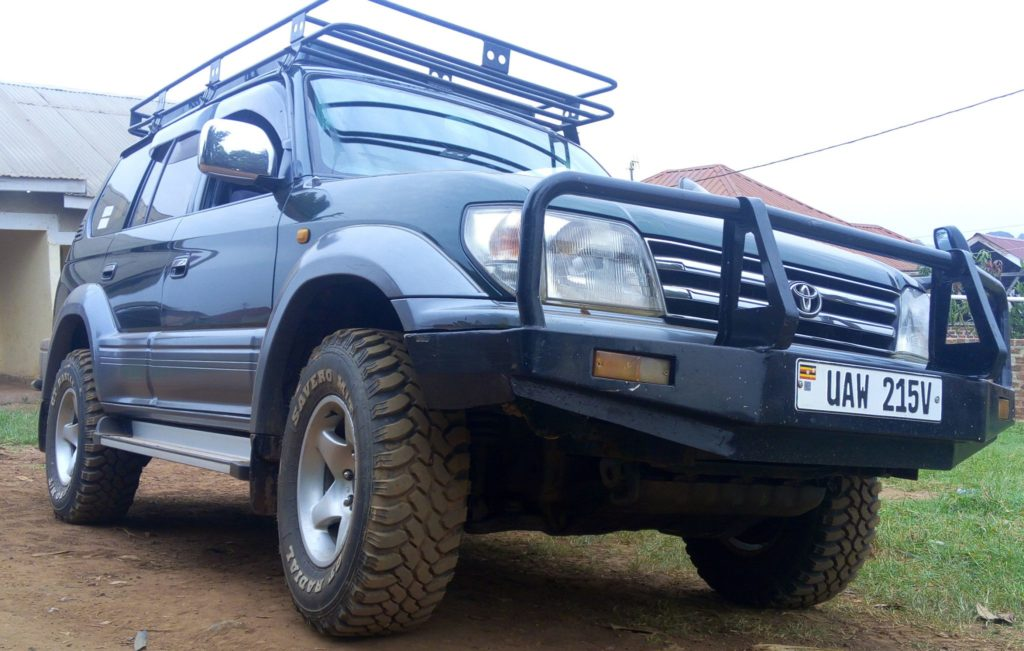
Uganda’s stunning landscapes—from the misty mountains of southwestern Uganda to the vast savannahs of the north, from dense forests harboring mountain gorillas to the shores of Africa’s largest lake—call out to adventurers, wildlife enthusiasts, and travelers seeking authentic African experiences. Whether you’re planning a gorilla trekking expedition in Bwindi, a safari through Queen Elizabeth National Park, or simply exploring the rural beauty beyond Kampala’s reach, a 4×4 vehicle often becomes essential rather than optional. Renting a four-wheel-drive vehicle opens doors to experiences that ordinary sedans simply cannot access, but it also comes with considerations, costs, and responsibilities that require careful planning. This comprehensive guide walks you through everything you need to know about renting a 4×4 in Uganda, ensuring your adventure starts on solid ground with the right vehicle and knowledge to navigate the Pearl of Africa’s diverse terrain.
Understanding Why You Need a 4×4 in Uganda
Before committing to the higher cost of a 4×4 rental versus a standard vehicle, it’s important to understand when four-wheel drive is truly necessary and when it’s simply nice to have.
Where 4×4 Becomes Essential
Uganda’s road network includes excellent tarmac highways connecting major cities, but ventures beyond these main arteries often require serious off-road capability.
Situations demanding 4×4:
- National park access roads, particularly during rainy seasons (Murchison Falls, Kidepo Valley, Queen Elizabeth)
- Gorilla trekking destinations in Bwindi Impenetrable Forest and Mgahinga
- Remote community visits and cultural tourism sites
- Lake Bunyonyi and other southwestern highland destinations
- Northern Uganda travel beyond main highways
- Any rural area during the rainy seasons (March-May and September-November)
- River crossings on certain routes
- Steep, muddy, or rocky terrain
When 2WD Suffices
Not every Uganda journey requires four-wheel drive. Standard vehicles handle many destinations perfectly well, saving you significant rental costs.
2WD-accessible destinations:
- Kampala to Entebbe (Entebbe Expressway)
- Jinja and the Source of the Nile
- Major towns (Mbarara, Fort Portal, Masaka, Gulu on main roads)
- Lake Mburo National Park (most areas accessible in dry season)
- Ssese Islands (once you’ve crossed by ferry)
- Most urban and peri-urban tourist sites
The decision factor: If your entire itinerary involves tarmac roads and dry-season travel to easily accessible destinations, a 2WD vehicle saves money. However, if even one critical destination requires 4×4 access, or if you’re traveling during rainy season, the four-wheel-drive capability becomes worth the investment.
Flexibility also matters—a 4×4 allows spontaneous route changes and weather-related detours that would strand a 2WD vehicle. For many travelers, this peace of mind justifies the cost difference.
Types of 4×4 Vehicles Available for Rent
Uganda’s rental market offers various 4×4 options, each with distinct characteristics, capabilities, and price points.
Land Cruiser Series: The Gold Standard
The Toyota Land Cruiser, in various configurations, dominates Uganda’s 4×4 rental market for good reason.
Land Cruiser Prado:
- Comfortable for up to 5 passengers with luggage
- Excellent ground clearance and off-road capability
- Reliable and well-maintained by most rental companies
- Air-conditioned with reasonable fuel economy for its class
- Typical rental: USD 80-120 per day
Land Cruiser V8 (or similar heavy-duty models):
- Premium option with superior comfort
- Handles the most challenging terrain effortlessly
- Spacious for up to 7 passengers
- Higher fuel consumption
- Typical rental: USD 100-150 per day
Why Land Cruisers dominate:
- Parts availability throughout Uganda
- Rental companies trust their reliability
- Mechanics familiar with maintenance and repairs
- Proven track record on Uganda’s toughest routes
Alternative 4×4 Options
Toyota RAV4:
- Compact SUV with part-time 4WD or AWD
- Good for moderate off-road conditions
- More fuel-efficient than Land Cruisers
- Limited cargo space for extended trips
- Typical rental: USD 60-90 per day
Nissan Patrol:
- Comparable to Land Cruiser in capability
- Slightly less common but equally capable
- Similar pricing to Land Cruiser options
Mitsubishi Pajero:
- Reliable off-road performance
- Comfortable for long journeys
- Good availability from some rental companies
- Typical rental: USD 70-100 per day
Subaru Forester:
- All-wheel drive rather than traditional 4×4
- Suitable for moderate conditions
- Not recommended for serious off-road challenges
- Typical rental: USD 55-80 per day
For travelers who find rental costs prohibitive but love the idea of owning a capable 4×4 for future adventures, platforms like auto24.ug feature various 4×4 options for purchase, including well-maintained Land Cruisers, Toyota RAV4s, and Nissan Patrols that have proven their reliability on Ugandan roads.
Rental Costs and What’s Included
Understanding the complete cost structure helps you budget accurately and avoid surprise charges.
Daily Rental Rates
Base daily rates vary by vehicle type, rental duration, and season:
Standard pricing (mid-range 4×4):
- 1-3 days: USD 90-110 per day
- 4-7 days: USD 80-100 per day
- 8-14 days: USD 70-90 per day
- 15+ days: USD 60-80 per day (negotiable)
Longer rentals typically secure better daily rates as rental companies prefer extended bookings.
What’s Typically Included
Standard inclusions:
- Unlimited mileage (most companies)
- Basic insurance coverage
- Spare tire and jack
- First aid kit
- Fire extinguisher
- Warning triangle
Common exclusions requiring additional payment:
- Fuel (you pay for all fuel consumed)
- Additional driver fees (USD 5-10 per day per driver)
- Cross-border travel permits (if leaving Uganda)
- Comprehensive insurance upgrades
- GPS navigation devices (USD 5-10 per day)
- Child safety seats (USD 5 per day)
- Camping equipment or roof tents (if needed)
Insurance Options
Understanding insurance is crucial for protecting yourself financially.
Basic third-party coverage (usually included):
- Covers damage to other vehicles/property
- Does NOT cover damage to your rental vehicle
- Leaves you liable for repair costs if you damage the vehicle
Collision Damage Waiver (CDW):
- Reduces your liability for vehicle damage
- Typically includes an excess/deductible (USD 500-2,000)
- Costs USD 15-30 per day additional
- Highly recommended for peace of mind
Full comprehensive coverage:
- Minimal or zero excess
- Covers most damage scenarios
- Costs USD 25-40 per day additional
- Worth considering for challenging routes or inexperienced off-road drivers
Personal accident coverage:
- Covers medical costs for you and passengers
- Costs USD 5-10 per day
- May be redundant if you have travel insurance
Always read the insurance terms carefully, noting what’s excluded (intentional damage, driving under influence, unauthorized drivers, etc.).
Choosing a Reputable Rental Company
The rental company you select significantly impacts your experience. Uganda has numerous rental operators ranging from professional international franchises to small local businesses.
What to Look for in a Rental Company
Reputation and reviews:
- Check TripAdvisor, Google Reviews, and travel forums
- Look for consistent positive feedback about vehicle condition and customer service
- Note how the company responds to complaints
- Ask your hotel or tour operator for recommendations
Fleet quality and maintenance:
- Visit the office to inspect available vehicles if possible
- Ask about vehicle age and maintenance schedules
- Check that vehicles appear clean and well-maintained
- Verify that safety equipment is present and functional
Clear terms and conditions:
- Written contract specifying all costs and responsibilities
- Transparent insurance explanations
- Clear breakdown policies and support procedures
- Detailed vehicle condition report before departure
Support and assistance:
- 24/7 emergency contact number
- Roadside assistance coverage
- Clear procedures for breakdowns or accidents
- English-speaking staff (important for international travelers)
Red Flags to Avoid
Warning signs of problematic rental companies:
- Unwillingness to provide written contracts
- Pressure to pay cash only without receipts
- Vague or conflicting information about insurance
- Poor vehicle condition with visible maintenance neglect
- No clear breakdown support procedures
- Prices significantly below market rates (often indicates hidden costs or poor vehicle quality)
Saving USD 10-20 per day by choosing a questionable rental company can cost you hundreds or thousands if problems arise during your trip.
The Rental Process: Step by Step
Understanding the rental procedure helps you navigate it smoothly and avoid common pitfalls.
Before Arrival: Booking and Confirmation
Advance booking (recommended):
- Book 2-4 weeks ahead during peak seasons (June-September, December-January)
- 1-2 weeks sufficient during low season
- Secure rates and vehicle availability in writing
- Confirm pickup location and time
Required documentation:
- Valid driver’s license (at least 2 years old)
- International Driving Permit (highly recommended, sometimes required)
- Passport copy
- Credit card for deposit (some accept cash deposits but credit card is standard)
Deposit requirements:
- Typically USD 500-2,000 depending on vehicle and insurance chosen
- Held on credit card or paid in cash
- Refunded upon safe vehicle return
- Covers potential damage excess
Pickup Day: Vehicle Inspection
This is the most critical phase—never rush this step.
Comprehensive inspection procedure:
- Walk around the vehicle with the rental representative
- Document all existing damage (scratches, dents, broken parts) with photos and video
- Ensure the condition report accurately reflects all damage
- Both parties initial the condition report
- Test all functions:
- Lights (headlights, brake lights, indicators)
- Wipers and washers
- Air conditioning
- 4WD engagement (actually engage 4WD to verify it works)
- All windows and locks
- Horn
- Spare tire condition and jack functionality
Interior checks:
- Seats and seatbelts for all passengers
- First aid kit contents
- Warning triangle presence
- Fire extinguisher
- Tool kit
- Vehicle manual
Critical questions to ask:
- Fuel type (petrol or diesel—confirm this clearly)
- Fuel policy (return full or pay for what’s used)
- Emergency contact numbers
- Nearest service centers if traveling upcountry
- Any quirks or special operating procedures for the vehicle
Don’t accept:
- A vehicle with significant undocumented damage
- Missing safety equipment
- Non-functional 4WD system
- Insufficient fuel to reach the nearest station
- Unclear damage documentation
If anything seems problematic, insist on a different vehicle or go to a different rental company. Your safety and financial protection depend on this thoroughness.
During Your Rental Period
Best practices while using the vehicle:
- Stick to the rental agreement terms (authorized drivers only, no sub-renting)
- Keep the vehicle locked when unattended
- Park in secure locations when possible
- Avoid driving at night on unfamiliar roads
- Maintain reasonable speeds appropriate for conditions
- Engage 4WD only when necessary (not for normal highway driving)
- Check oil, coolant, and tire pressure regularly on extended trips
- Keep all rental documents and emergency numbers accessible
Fuel management:
- Understand the fuel type (diesel is common for 4x4s)
- Fill up in major towns before heading to remote areas
- Carry extra fuel in jerry cans for very remote destinations (check rental agreement—some prohibit this)
- Save all fuel receipts (some companies require proof of refueling)
Damage protocol:
- Document any new damage immediately with photos
- Report significant damage or incidents to the rental company immediately
- For accidents, obtain police reports
- Never admit fault or make payments at accident scenes
Return: Final Inspection
Return procedure:
- Refuel to the required level before returning
- Clean the vehicle reasonably (excessive mud might incur cleaning fees)
- Arrive during business hours if possible for immediate inspection
- Walk around the vehicle with the representative, noting any new damage
- Discuss any new damage honestly—trying to hide it can void insurance coverage
- Obtain written confirmation that the vehicle has been accepted back
- Confirm deposit refund process and timing
- Keep all documentation until deposit is refunded
Most companies refund deposits within 7-14 days, though credit card holds may release sooner.
Driving a 4×4 in Uganda: Essential Skills and Tips
Renting a 4×4 is only half the equation—knowing how to operate it effectively and safely on Uganda’s diverse terrain is equally important.
Basic 4WD Operation
If you’re unfamiliar with four-wheel-drive systems, understand the basics before setting off.
When to engage 4WD:
- Muddy, slippery, or loose surfaces
- Steep inclines or descents
- Deep sand (less common in Uganda)
- Rocky terrain
- Water crossings
When NOT to engage 4WD:
- Normal tarmac highway driving
- Dry, firm surfaces
- High-speed travel
How to engage (varies by vehicle):
- Part-time 4WD: Usually a lever or button to shift between 2WD and 4WD modes; stop or slow to very low speed before switching
- Full-time 4WD/AWD: System operates automatically; may have settings for different terrain
- Low range: For extreme conditions (very steep hills, deep mud); only engage at complete stop
Read your specific vehicle’s manual and ask the rental company for a demonstration if you’re uncertain.
Driving Techniques for Ugandan Conditions
Muddy roads:
- Maintain steady momentum without excessive speed
- Avoid sudden braking or sharp steering
- If you start sliding, steer gently in the direction of the slide
- Use 4WD and potentially low range for deep mud
Steep hills:
- Assess before attempting—if uncertain, find an alternative route
- Select appropriate gear before starting climb (low range for extreme hills)
- Maintain steady throttle—don’t stop mid-climb if possible
- For descents, use engine braking in low gear rather than continuous brake application
Water crossings:
- Assess depth first (walk through if safe, or wait to observe other vehicles)
- Never cross water deeper than the vehicle’s air intake (typically mid-door height)
- Enter slowly to avoid creating a bow wave
- Maintain steady, slow progress—stopping in water can cause stalling
- After crossing, test brakes gently to dry them out
Potholed roads:
- Slow down significantly—4x4s aren’t invincible
- Straddle large potholes when safe
- Avoid sudden swerving that could cause rollovers
- High ground clearance helps but doesn’t eliminate damage risk
Night driving:
- Avoid when possible, especially on unfamiliar routes
- Watch for pedestrians, cyclists, and livestock
- Reduce speed substantially from daytime pace
- Use high beams on rural roads when no oncoming traffic
For comprehensive guides on off-road driving techniques specific to Ugandan terrain and conditions, automag.ug offers detailed tutorials and video demonstrations that can boost your confidence and skill before heading out.
Planning Your Route and Timing
Successful 4×4 travel in Uganda requires realistic route planning that accounts for road conditions, distances, and timing.
Understanding Ugandan Distances
Uganda is deceptively large, and travel times exceed what distance alone suggests.
Realistic travel times (examples):
- Kampala to Bwindi (gorilla trekking): 8-10 hours (450 km)
- Kampala to Murchison Falls: 5-6 hours (305 km)
- Kampala to Kidepo Valley: 10-12 hours (520 km)
- Kampala to Queen Elizabeth NP: 6-7 hours (410 km)
These times assume good conditions. Add time for:
- Stops for food, fuel, and rest
- Roadblocks or security checks
- Slow sections on rough roads
- Unexpected delays
Daily driving limit: Plan for maximum 6-7 hours of actual driving per day. More becomes exhausting and unsafe, reducing your enjoyment of destinations.
Seasonal Considerations
Uganda has distinct wet and dry seasons affecting road conditions dramatically.
Dry seasons (best for driving):
- December to February
- June to August
- Roads in better condition
- River crossings lower
- More predictable travel times
Wet seasons (challenging conditions):
- March to May (long rains)
- September to November (short rains)
- Roads can become impassable
- Increased risk of getting stuck
- Journey times can double
- Some national park tracks close
Planning around seasons:
- If traveling during wet season, allow extra days for flexibility
- Consider hiring a 4×4 with a driver who knows alternative routes
- Check with rental companies about recent road conditions
- Accept that some destinations may be inaccessible during peak rains
Route Resources
Helpful planning tools:
- Google Maps (shows routes but may not reflect current road conditions)
- Rental company advice (they often have current information)
- Uganda Tourism Board resources
- Recent travel blogs and forums
- Local contacts at your destinations
For detailed travel guides covering specific routes, road conditions, and seasonal considerations, carkibanda.com provides regularly updated information from travelers and locals with recent experience on various Ugandan routes.
Self-Drive vs. Hiring a Driver
One of the first decisions when renting a 4×4 is whether to drive yourself or hire a driver with the vehicle.
Self-Drive Advantages
Why drive yourself:
- Complete flexibility and freedom
- Privacy during your journey
- Stop wherever and whenever you want
- Lower daily cost (no driver fees)
- More adventurous, hands-on experience
Self-drive requirements:
- Confidence driving in challenging conditions
- Navigation skills
- Basic mechanical knowledge for minor issues
- Valid license and IDP
- Physical stamina for long drives
Driver Hire Benefits
Why hire a driver:
- Local knowledge of routes, conditions, and shortcuts
- Reduced stress and fatigue
- Navigates while you enjoy scenery
- Handles breakdowns or mechanical issues
- Cultural and language assistance
- Generally safer for first-time Uganda visitors
Driver costs:
- USD 30-50 per day plus accommodation and meals
- Driver finds own budget accommodation (you don’t share)
- You provide lunch, or give lunch allowance (USD 5-10)
Total cost comparison:
- Self-drive: USD 90/day (vehicle only)
- With driver: USD 125/day (vehicle + driver + driver expenses)
For many first-time visitors, especially those unfamiliar with left-hand driving, African road conditions, or navigating remote areas, the additional USD 35/day for a driver provides excellent value through stress reduction and enhanced safety.
Common Challenges and How to Handle Them
Even with perfect planning, 4×4 travel in Uganda presents occasional challenges. Being prepared helps you manage them effectively.
Getting Stuck in Mud
Despite 4WD, mud can trap vehicles when deep or particularly slippery.
Prevention:
- Assess mud patches before entering
- Maintain momentum without excessive speed
- Follow tracks of previous vehicles when possible
- Avoid stopping in the middle of mud
If stuck:
- Don’t spin wheels excessively (digs deeper)
- Try rocking the vehicle (gentle forward/reverse)
- Place branches, rocks, or floor mats under wheels for traction
- Deflate tires slightly (improves traction, but re-inflate afterward)
- Use the vehicle’s high-lift jack to place solid objects under wheels
- Request help from locals (compensate them appropriately)
Mechanical Breakdowns
Even well-maintained rental vehicles can experience problems.
Immediate actions:
- Move to a safe location if possible
- Contact the rental company immediately
- Follow their instructions (they may send a replacement vehicle or mechanic)
- Document the situation with photos
- Never authorize major repairs without rental company approval
Remote area protocol:
- In areas with mobile coverage, contact rental company first
- In areas without coverage, seek help from nearby villages
- Most rental agreements include roadside assistance
- Keep emergency numbers in multiple formats (phone, written)
Flat Tires
Punctures are common on rough Uganda roads.
Handling punctures:
- Pull to a safe, level location away from traffic
- Engage parking brake and place warning triangle
- Follow the vehicle’s tire change procedure (check manual)
- If uncertain how to change the tire, contact rental company or local assistance
- Drive cautiously on the spare to the nearest town for repair
- Most towns have tire repair shops that fix punctures for UGX 10,000-20,000
Security Concerns
Uganda is generally safe, but sensible precautions are wise.
Security best practices:
- Keep windows closed and doors locked while driving in urban areas
- Don’t display valuable items visibly
- Park in secure, well-lit areas
- Don’t drive at night on unfamiliar routes
- Trust your instincts—if a situation feels unsafe, leave
- Keep rental documents and valuables secure
Cultural and Practical Considerations
Understanding local context enhances your 4×4 rental experience.
Interacting with Traffic Police
Police roadblocks are common in Uganda, checking documents and vehicle condition.
What to do at police stops:
- Slow down and stop politely
- Have documents ready (license, IDP, rental agreement, insurance)
- Be respectful and patient
- Legitimate police in uniform at official roadblocks are checking compliance
- If asked for a bribe or unclear “fine,” politely request official documentation
- Never argue aggressively—remain calm and courteous
Most police interactions are routine and brief if your documents are in order.
Fuel Station Etiquette
Fueling procedures:
- Confirm fuel type before the attendant starts (diesel is common for 4x4s)
- Specify amount or “full tank”
- Watch the pump to verify the amount
- Pay inside or to the attendant
- Keep receipts (some rental agreements require them)
Road Conditions Communication
Ugandans often provide directions or road condition information willingly.
Asking for help:
- “Is the road to [destination] passable?” (people understand road quality concerns)
- Ask multiple people for confirmation of road conditions
- Locals are generally helpful and honest about difficult routes
- Offer small tips for particularly helpful guidance
Environmental Responsibility
Uganda’s tourism depends on pristine natural environments.
Responsible 4×4 use:
- Stay on established tracks (don’t create new routes)
- Don’t litter—carry all trash with you
- Respect wildlife viewing distances
- Minimize noise in sensitive areas
- Support local communities through ethical spending
Alternative Options: When Rental Isn’t Ideal
While this guide focuses on 4×4 rentals, alternative approaches suit some travelers better.
Organized Tours with Transport
Benefits:
- All logistics handled (accommodation, permits, driver/guide)
- Often more cost-effective for solo travelers or couples
- Expert guides enhance the experience
- No driving stress or navigation challenges
Considerations:
- Less flexibility in schedule and routing
- Group travel with strangers on some tours
- Higher per-person cost for private tours
Purchasing vs. Renting
For extended stays (several months) or regular Uganda visits, purchasing makes financial sense.
Platforms like auto24.ug feature 4×4 vehicles for sale, including proven models like Toyota Land Cruisers, RAV4s, and Nissan Patrols. For a 3-month stay, purchasing a reliable used 4×4 for USD 15,000-25,000 and selling it before departure often costs less than 90 days of rentals at USD 80-100/day (total USD 7,200-9,000 plus insurance).
The Emerging Electric Option
While 4×4 electric vehicles are still uncommon in Uganda, the global automotive landscape is shifting toward electrification. For those interested in sustainable mobility and future-focused transportation, EV24.africa offers import options for electric cars, expanding choices in Uganda’s automotive market. While current EV options lack the rugged off-road capability of traditional 4x4s, future electric 4×4 models promise the combination of zero-emission travel with off-road prowess—potentially revolutionizing safari and adventure tourism in Uganda once charging infrastructure expands.
Making the Final Decision
Renting a 4×4 in Uganda opens extraordinary experiences that standard vehicles and public transport simply cannot access. From the ancient forests where mountain gorillas live to the vast wilderness of Kidepo Valley, from the thundering Murchison Falls to the serene beauty of Lake Bunyonyi, a capable 4×4 becomes your ticket to Uganda’s most spectacular destinations.
Success lies in thorough preparation: choosing a reputable rental company, understanding costs comprehensively, inspecting vehicles carefully, driving responsibly, and planning routes realistically. The investment—whether USD 80 or USD 150 per day—delivers immense value when it enables you to safely reach places that will stay in your memory forever.
Start by clearly defining your itinerary, assessing whether 4×4 capability is necessary for your destinations, comparing rental companies thoroughly, and being honest about your driving skills and comfort level. If uncertain about self-driving in challenging conditions, hiring a driver for peace of mind and local expertise is money well spent.
Uganda’s beauty awaits beyond the paved roads. With the right 4×4, proper preparation, and adventurous spirit, you’ll discover why this country earned its title as the Pearl of Africa. The road less traveled leads to experiences most travelers never witness—and that’s exactly where your 4×4 will take you.