Uganda’s roads present unique challenges that can quickly wear down even the most robust vehicles. From pothole-riddled urban streets in Kampala to dusty murram roads in rural areas, Ugandan drivers face conditions that demand more than just standard maintenance routines. The good news is that with smart, practical maintenance hacks, you can extend your vehicle’s lifespan, reduce repair costs, and enjoy more reliable performance regardless of where your travels take you. These ten proven maintenance hacks have been tested by experienced Ugandan drivers who understand that surviving our roads requires both preventive care and creative problem-solving.
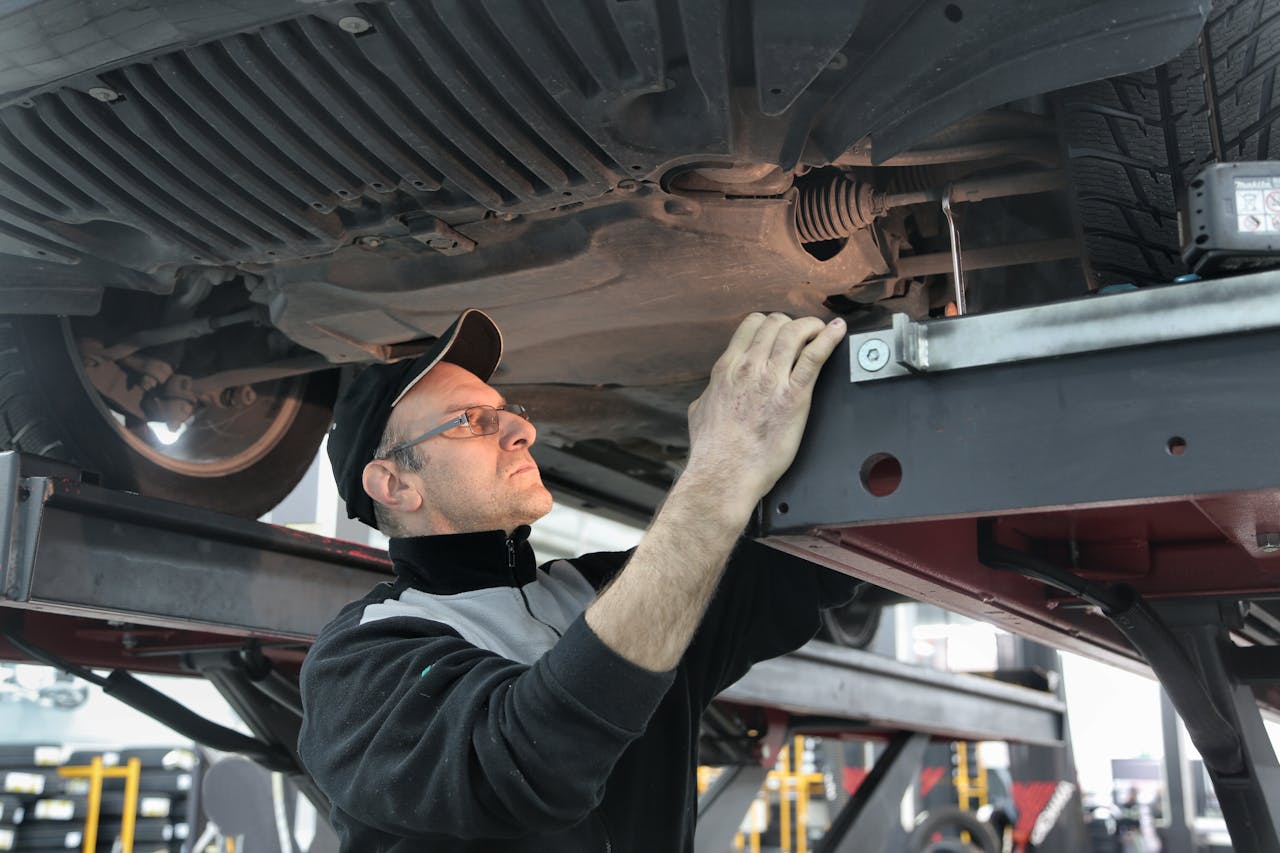
Hack #1: The DIY Undercarriage Inspection Routine
Most drivers never look underneath their vehicles until something goes seriously wrong. However, Uganda’s rough roads constantly assault your car’s undercarriage with rocks, debris, and impact damage that gradually accumulates into expensive problems.
Why This Matters
Your vehicle’s undercarriage houses critical components: the exhaust system, fuel lines, brake lines, suspension parts, and the oil pan. A rock strike that cracks your oil pan or damages a brake line can leave you stranded or create dangerous driving conditions. Regular inspections catch these issues before they become emergencies.
How to Do It Right
Once a week, especially after driving on particularly rough roads, take five minutes to inspect underneath your vehicle:
Quick inspection steps:
- Park on level ground and ensure the vehicle is secure
- Use a flashlight to examine the undercarriage from all sides
- Look for fresh damage, hanging components, or fluid leaks
- Check for loose heat shields or exhaust system parts
- Inspect plastic undertrays for cracks or missing fasteners
- Look for oil or fluid drips on the ground where you’ve parked
You don’t need a mechanic’s lift—simply getting down on your knees with a flashlight reveals most problems. Fresh scrapes, dents, or leaking fluids are warning signs requiring professional attention.
Pro tip: Take photos during your first inspection to establish a baseline. Future inspections become easier when you can compare current conditions to previous images, making new damage obvious.
This simple habit costs nothing but can save thousands in repair bills by catching damage early when fixes are still simple and affordable.
Hack #2: Strategic Tire Rotation Based on Road Conditions
Standard tire rotation schedules recommend changing tire positions every 8,000-10,000 kilometers. However, Uganda’s uneven road conditions create asymmetric wear patterns that make strategic rotation even more beneficial.
Understanding Wear Patterns
Ugandan driving conditions cause specific wear patterns:
- Front tires wear faster on the outer edges due to constant steering corrections around potholes
- Rear tires often develop center wear from carrying heavy loads
- Murram roads create more uniform wear across the tire surface
- One side may wear faster if you consistently drive on uneven road shoulders
The Strategic Rotation Method
Rather than blindly following standard intervals, rotate tires based on visual wear assessment combined with mileage:
Rotation strategy:
- Inspect all four tires monthly for wear depth and patterns
- Rotate when any tire shows 25% more wear than others, regardless of mileage
- For front-wheel-drive vehicles (most common in Uganda), move front tires to rear positions more frequently
- Consider a five-tire rotation including your spare if it’s a full-size tire
Inspection technique: Use the tread wear indicators (small raised bars in the tire grooves) as your guide. When the tread surface becomes level with these bars, replacement is necessary. However, rotate before this point to maximize overall tire life.
By keeping wear even across all tires, you extend the total mileage you get from a complete set, potentially saving 20-30% on tire costs over time. For drivers covering both tarmac highways and rough murram roads, this hack is particularly valuable.
If you’re considering a vehicle known for durability on Uganda’s challenging roads, platforms like auto24.ug feature models like the Toyota RAV4, Nissan X-Trail, and Subaru Forester that combine robust construction with reasonable tire wear characteristics even under harsh conditions.
Hack #3: The Double Air Filter Strategy
Uganda’s dust is relentless, particularly during dry seasons and when traveling on murram roads. A clogged air filter reduces engine performance, increases fuel consumption, and can even allow harmful particles into your engine.
Standard vs. Enhanced Approach
Most drivers replace their air filter every 10,000-15,000 kilometers as recommended. This works fine in cleaner environments but falls short in Uganda’s dusty conditions.
The Double Filter Method
This hack involves two simple practices that dramatically extend engine protection:
Primary practice—frequent inspection and cleaning:
- Check your air filter every 2,000-3,000 kilometers instead of waiting for service intervals
- Remove the filter and tap it gently against a hard surface to dislodge dust
- Use compressed air (available at most petrol stations) to blow dust from the filter pleats, working from the clean side outward
- Reinstall the cleaned filter
Secondary practice—carry a spare:
- Purchase an extra air filter and keep it in your vehicle
- When the primary filter becomes too dirty to clean effectively, swap in the spare
- Take the dirty filter home for thorough cleaning or replacement
- This ensures you’re never driving with a compromised air filter
Cost benefit: A replacement air filter costs between UGX 30,000-60,000 depending on your vehicle. By cleaning and extending filter life through this method, you might replace filters half as often, saving money while maintaining better engine performance.
This hack is especially important for vehicles frequently traveling upcountry where dust exposure is constant and replacement parts may not be readily available.
Hack #4: Homemade Pothole Damage Assessment
After hitting a significant pothole—and in Uganda, this happens regularly—most drivers simply continue driving unless something feels immediately wrong. However, pothole impacts often cause damage that manifests gradually, becoming expensive problems later.
What Pothole Impacts Actually Damage
Hitting a pothole at speed can:
- Bend wheel rims, causing slow leaks and vibrations
- Knock wheel alignment out of specification
- Damage suspension components (shock absorbers, springs, control arms)
- Cause tire sidewall bulges that lead to blowouts
- Loosen exhaust system components
The Post-Impact Assessment Protocol
After hitting a significant pothole, perform this immediate check:
Immediate assessment (safe roadside check):
- Listen for new noises (rubbing, rattling, hissing from a tire)
- Feel for vibrations through the steering wheel
- Notice if the vehicle pulls to one side
- Check that all tires maintain pressure and have no visible bulges
Detailed assessment (when you reach your destination):
- Inspect each tire for sidewall bulges or cuts
- Look at wheel rims for bends or cracks
- Check suspension components for damage or looseness
- Test drive at low speed and note any changes in handling
When to seek professional help immediately:
- Severe vibrations that weren’t present before
- Noticeable pulling to one side
- Visible wheel damage
- Tire losing pressure
- Unusual noises from suspension or wheels
This assessment habit helps you distinguish between minor impacts that require monitoring and serious damage demanding immediate repair. Catching alignment or suspension damage early prevents uneven tire wear that would otherwise cost hundreds of thousands in premature tire replacement.
Hack #5: Coolant System Maintenance Beyond Standard Service
Uganda’s warm climate and traffic congestion put constant stress on cooling systems. Engine overheating is one of the most common roadside emergencies, yet most are preventable through enhanced coolant system care.
Beyond Basic Coolant Checks
Standard maintenance involves checking coolant levels and replacing coolant every 40,000-60,000 kilometers. While important, this approach misses several critical preventive measures.
The Comprehensive Cooling System Hack
Implement these additional practices:
Weekly quick check:
- When the engine is cold, check coolant level in the overflow reservoir
- Look for discoloration (rusty brown indicates corrosion; oily appearance suggests head gasket issues)
- Inspect hoses for cracks, bulges, or soft spots while squeezing them gently
- Check for coolant puddles under the vehicle after it’s been parked overnight
Monthly deep inspection:
- Remove the radiator cap (only when engine is completely cold) and visually inspect coolant condition
- Look into the radiator for debris, rust, or oil contamination
- Check radiator fins for bent sections or blockages from bugs and debris
- Verify that the radiator cap releases pressure properly when opened
Quarterly maintenance:
- Clean radiator fins externally using a soft brush or low-pressure water
- Flush the system with fresh water if coolant appears contaminated
- Test the radiator cap’s pressure release function
DIY radiator cleaning: Bent radiator fins reduce cooling efficiency. You can carefully straighten them using a flat-blade screwdriver, working gently to avoid breaking the delicate fins. This simple action can improve cooling performance by 10-15%.
Maintaining optimal cooling system health prevents the stress and expense of roadside overheating incidents, which often occur at the worst possible moments during important journeys.
For comprehensive guides on cooling system maintenance specific to vehicles commonly driven in Uganda, automag.ug provides detailed tutorials and troubleshooting advice tailored to local conditions.
Hack #6: Suspension Protection Through Strategic Driving
You can’t avoid Uganda’s rough roads, but you can minimize the damage they inflict on your suspension through smart driving techniques that complement regular maintenance.
Understanding Suspension Stress
Every pothole, speed bump, and rough patch creates impact forces that gradually wear suspension components. While you can’t eliminate this wear, you can significantly reduce it through proper driving approach.
The Suspension-Saving Driving Method
For potholes:
- Slow down before impact rather than braking during impact (braking compresses front suspension, increasing impact force)
- If unavoidable, try to hit potholes with both wheels simultaneously rather than one at a time
- Never swerve suddenly to avoid potholes—gradual steering changes are safer and less damaging
For speed bumps:
- Approach at a slight angle when safe, allowing one wheel to cross first (reduces total vehicle pitch)
- Maintain steady, slow speed rather than accelerating and braking
- Never exceed 20 km/h over speed bumps, regardless of how minor they appear
For rough sections:
- Reduce tire pressure slightly (by 2-3 PSI) when you know you’ll be on rough roads for extended periods, then reinflate for highway driving
- Distribute cargo weight evenly to prevent overloading one corner of the vehicle
- Remove unnecessary cargo that adds weight and suspension stress
Maintenance companion: Combine this driving approach with regular suspension inspection. Every 5,000 kilometers, have a mechanic check:
- Shock absorber function (bounce test—push down firmly on each corner; vehicle should settle within 2 bounces)
- Suspension bushings for cracks or excessive wear
- Ball joints and tie rod ends for play
- Spring condition (no cracks or sagging)
Replacing worn suspension components costs between UGX 200,000-800,000 depending on what needs replacement. Strategic driving can extend the interval between these expensive services by 30-50%.
Hack #7: Battery Life Extension Through Simple Habits
Uganda’s warm temperatures are tough on car batteries, accelerating the chemical degradation that limits battery life. Most drivers accept 2-3 years as normal battery lifespan, but simple maintenance hacks can extend this to 4-5 years.
Why Batteries Fail Prematurely
Heat accelerates the sulfation process that kills batteries. Additionally, short trips common in city driving prevent full battery charging, gradually weakening the battery. Ugandan conditions combine both these factors.
The Battery Longevity Protocol
Monthly maintenance (takes 5 minutes):
- Clean battery terminals with a wire brush to remove corrosion (white, blue, or green crusty deposits)
- Apply a thin coating of petroleum jelly or commercial terminal protector to prevent new corrosion
- Check that terminal connections are tight but not over-torqued
- Wipe down the battery case to remove dust and grime
Weekly driving habit:
- Once per week, take a drive of at least 20-30 minutes at steady speed (not stop-and-go traffic)
- This allows the alternator to fully recharge the battery after multiple short trips
- Highway driving is ideal for this purpose
Quarterly check:
- If your battery has removable caps, check electrolyte levels and top up with distilled water if low
- Have the battery load-tested at a service center (many do this for free)
- Check the alternator’s charging output (should be 13.8-14.4 volts with engine running)
Storage tip: If you won’t use your vehicle for more than a week, consider disconnecting the negative battery terminal to prevent parasitic drain from vehicle electronics. Reconnect before use.
Warning signs requiring replacement:
- Slow engine cranking, especially when the engine is cold
- Battery age exceeding 4 years in Uganda’s climate
- Physical damage (cracks, leaks, severe bulging)
- Repeated jump starts needed
- Electrical accessories dimming when idling
A quality battery costs UGX 200,000-400,000. Extending battery life through these simple habits saves money and prevents the inconvenience of unexpected failures.
Hack #8: Oil Change Interval Adjustment for Dusty Conditions
Manufacturer recommended oil change intervals assume moderate driving conditions. Uganda’s dusty environment and frequent traffic congestion constitute “severe” driving conditions that demand shorter intervals.
Why Standard Intervals Fall Short
Engine oil serves multiple functions: lubricating moving parts, cleaning internal engine surfaces, and removing combustion byproducts. In dusty conditions, more particles enter the engine despite air filtration, contaminating oil faster. Traffic congestion keeps engines at higher operating temperatures for longer periods, accelerating oil degradation.
The Optimized Oil Change Strategy
Interval modification:
- If manufacturer recommends 10,000 km intervals, reduce to 7,000-8,000 km in Uganda
- For vehicles frequently driven on murram roads, consider 5,000-6,000 km intervals
- Always use the recommended oil grade for your engine
Oil condition monitoring: Between changes, check oil condition monthly:
- Pull the dipstick when engine is warm and wipe it clean
- Check oil level (should be between minimum and maximum marks)
- Examine oil color and consistency
- Fresh oil is amber/golden
- Used but acceptable oil is darker brown
- Oil requiring immediate change is black, gritty, or has a burnt smell
Quality vs. price consideration: Using premium synthetic oil costs more per change (UGX 80,000-150,000 vs. UGX 40,000-80,000 for conventional oil) but offers:
- Better protection in high temperatures
- Longer effective service life
- Improved fuel economy
- Better engine cleanliness
For vehicles you plan to keep long-term, premium oil is often worth the investment despite higher initial cost.
Oil filter replacement: Always replace the oil filter with every oil change, never reuse filters. A new filter costs UGX 15,000-30,000 and is essential for maintaining oil cleanliness.
Regular oil changes using this adjusted schedule can extend engine life by tens of thousands of kilometers, potentially delaying expensive engine rebuilds or replacements indefinitely.
Hack #9: Strategic Fuel Quality Management
Fuel quality varies significantly across Uganda’s petrol stations. While you can’t analyze fuel chemistry yourself, strategic habits minimize the risk of contaminated fuel damaging your engine.
The Fuel Contamination Problem
Contaminated fuel can contain water, dirt, or incorrect octane ratings. These contaminants cause:
- Poor engine performance and reduced power
- Increased fuel consumption
- Knocking or pinging sounds from the engine
- Injector clogging
- Corrosion in the fuel system
The Smart Fueling Strategy
Station selection:
- Patronize busy, reputable stations with high fuel turnover
- Avoid stations that seem to have few customers (old fuel degrades)
- Watch for visible water or debris in fuel dispensers
- Choose stations that appear well-maintained overall
Fueling practices:
- Never fuel immediately after a tanker has delivered to the station (wait at least 2-3 hours)
- Tanker deliveries stir up sediment in underground tanks that can enter your vehicle
- Keep your tank above half-full when possible (reduces condensation water in the tank)
- Use fuel additives/injector cleaners every 3-4 tanks to maintain fuel system cleanliness
Warning signs of bad fuel:
- Sudden loss of power after refueling
- Rough idling or hesitation
- Check engine light illuminating shortly after fueling
- Unusual smells from the exhaust
Recovery from bad fuel: If you suspect contaminated fuel:
- Use fuel system cleaner additive in the tank
- If problems persist after one tank, drain the fuel system and refill with quality fuel
- Have fuel filter replaced if contamination was severe
Fuel filter maintenance: Replace your fuel filter every 20,000-30,000 kilometers, or more frequently if you often fuel at questionable stations. This UGX 20,000-40,000 component protects expensive fuel injectors worth hundreds of thousands.
By being strategic about where and when you fuel, you protect your engine from contamination that could lead to expensive repairs.
Hack #10: Brake System Vigilance Between Services
Brakes are your primary safety system, yet many drivers only think about them when something obviously fails. Proactive monitoring catches brake issues early when repairs are simpler and cheaper.
Understanding Brake Wear in Uganda
Uganda’s combination of traffic congestion (constant braking) and rough roads (increased brake usage for control) accelerates brake wear. Additionally, dust and dirt can contaminate brake components, reducing effectiveness.
The Brake Monitoring Protocol
Weekly checks:
- Listen for any new sounds when braking (squealing, grinding, or scraping)
- Feel for brake pedal changes (becoming spongy, requiring more pressure, or pulsating)
- Notice if the vehicle pulls to one side when braking
- Check brake fluid level in the reservoir under the hood
Monthly inspection:
- Look through wheel spokes at brake pads (visible on most vehicles)
- Pad material should be at least 3mm thick
- Check for uneven wear between inner and outer pads
- Look for brake fluid leaks on the inside of wheels or on the ground
Quarterly deep check:
- Have a mechanic inspect the entire brake system
- This includes:
- Brake pad thickness measurement
- Brake disc condition (warping, grooves, rust)
- Brake fluid condition
- Caliper operation
- Brake line integrity
DIY brake fluid check: Brake fluid absorbs moisture over time, reducing its effectiveness:
- Check the color through the reservoir (should be clear or light amber, not dark brown or black)
- Brake fluid should be replaced every 24 months regardless of mileage in Uganda’s humid climate
Emergency brake maintenance: Don’t neglect your parking brake:
- Use it regularly (even in automatic vehicles) to prevent cable seizure
- Have it adjusted if more than 4-5 clicks are needed to hold the vehicle on a slope
Warning signs demanding immediate attention:
- Grinding or metal-on-metal sounds
- Brake pedal going to the floor
- Pulsating pedal during normal braking
- Visible fluid leaks
- Illuminated brake warning light
Brake pad replacement costs UGX 100,000-250,000 for front pads. Delaying replacement until rotors are damaged can triple this cost. Regular monitoring ensures you replace pads at the right time without unnecessary rotor damage.
For drivers seeking vehicles with robust, low-maintenance brake systems suited to Ugandan conditions, models featured on auto24.ug like the Honda Fit, Toyota Premio, and Nissan Wingroad are known for reasonable brake longevity and affordable service parts.
Bonus Maintenance Tips for Uganda’s Unique Conditions
Beyond the ten main hacks, these additional practices help vehicles survive Uganda’s challenging environment:
Rust Prevention in Humid Areas
Uganda’s humidity, particularly near Lake Victoria, promotes rust formation:
- Wash your vehicle regularly, especially the undercarriage
- Apply rust prevention spray to exposed metal surfaces
- Address paint chips and scratches immediately to prevent rust starting points
- Keep drain holes in doors and sills clear to prevent water accumulation
Interior Maintenance
Dust infiltration damages more than just mechanical components:
- Use quality cabin air filters and replace them frequently
- Vacuum interior regularly to prevent dust buildup
- Keep windows slightly open when parked to reduce interior heat and humidity
- Use dashboard protectants to prevent cracking from sun exposure
Documentation and Record Keeping
Maintain detailed service records:
- Keep receipts for all maintenance and repairs
- Track mileage for each service
- Note any recurring issues for pattern identification
- This documentation helps mechanics diagnose problems and proves maintenance history if you sell
For additional maintenance resources and updates on automotive best practices in Uganda, carkibanda.com offers extensive guides, video tutorials, and expert advice tailored specifically to local driving conditions and commonly available vehicles.
The Economics of Preventive Maintenance
Some drivers view regular maintenance as an unnecessary expense, preferring to “fix things when they break.” However, the economics strongly favor preventive care:
Preventive approach costs (annual estimate):
- Regular oil changes (4x): UGX 320,000
- Filters (air, fuel, cabin): UGX 120,000
- Tire rotation and balancing: UGX 80,000
- Brake inspection and minor service: UGX 150,000
- Fluid top-ups and minor parts: UGX 100,000
- Total: Approximately UGX 770,000 annually
Reactive approach costs (typical emergency repairs):
- Engine rebuild from seized engine due to low oil: UGX 2,000,000-4,000,000
- Transmission replacement: UGX 1,500,000-3,000,000
- Suspension overhaul: UGX 800,000-1,500,000
- Complete brake system failure repair: UGX 600,000-1,200,000
A single major failure from neglect can cost more than 5-10 years of preventive maintenance. Additionally, preventive maintenance keeps your vehicle reliable, preventing the stress, inconvenience, and potential danger of breakdowns.
Adapting Maintenance to Your Specific Driving Pattern
Not all vehicles experience the same stress levels. Customize these maintenance hacks based on your driving:
Primarily urban driving (Kampala, Entebbe, Jinja):
- Focus on brake system maintenance (frequent stopping)
- Monitor cooling system closely (traffic congestion)
- Check suspension regularly (speed bumps and potholes)
- Change oil slightly more frequently (heat and idling)
Frequent long-distance highway travel:
- Emphasize tire condition and rotation
- Monitor engine cooling and fluids
- Check high-speed vibration issues
- Inspect for highway-speed wind damage
Regular rural/murram road travel:
- Prioritize air filter maintenance
- Inspect undercarriage frequently
- Focus on suspension and steering components
- Monitor tire condition for cuts and damage
- Wash vehicle regularly to remove corrosive mud
Mixed driving conditions:
- Implement all maintenance hacks at recommended intervals
- Adjust service schedules to the most demanding conditions you encounter regularly
The Future of Vehicle Maintenance in Uganda
As Uganda’s automotive landscape evolves, new opportunities and challenges emerge. Electric vehicles, for instance, offer dramatically different maintenance profiles compared to traditional combustion engines. Platforms like EV24.africa are expanding import options for electric cars, introducing vehicles with fewer moving parts, no oil changes, and different service requirements. While EVs eliminate many traditional maintenance tasks, they introduce new considerations around battery health, software updates, and specialized electrical system care.
For now, the vast majority of Ugandan drivers will continue operating conventional vehicles for the foreseeable future, making these maintenance hacks relevant and valuable for years to come.
Making Maintenance a Sustainable Habit
The difference between vehicles that last 300,000 kilometers and those that struggle to reach 150,000 kilometers often comes down to consistent maintenance habits. These ten hacks work because they’re practical, affordable, and effective.
Start by implementing just two or three hacks that address your vehicle’s most pressing needs or match your driving conditions. As these become routine, gradually incorporate the others. Before long, comprehensive maintenance becomes second nature rather than a burden.
Your vehicle represents a significant investment and serves as essential transportation for work, family, and life in Uganda. Protecting this investment through smart maintenance practices ensures it serves you reliably for many years, regardless of what challenges our roads present.
Remember: the best maintenance hack of all is simply paying attention to your vehicle and addressing small issues before they become big problems. Listen to your car, inspect it regularly, and never ignore warning signs. Combined with these ten practical hacks, this mindful approach will keep you moving safely and reliably on Uganda’s roads for years to come.