Navigating Uganda’s roads safely and legally requires more than just knowing how to operate a vehicle—it demands a solid understanding of the country’s traffic laws, speed limits, and road regulations. Whether you’re a new driver earning your first license, a foreign visitor renting a car to explore the Pearl of Africa, or a seasoned Ugandan motorist looking to refresh your knowledge, understanding these rules protects you from fines, accidents, and legal complications. Uganda’s traffic regulations exist not as arbitrary restrictions but as carefully designed guidelines meant to ensure road safety for all users, from motorists to pedestrians, from boda boda riders to cyclists. This comprehensive guide breaks down Uganda’s speed limits, essential road rules, enforcement practices, and practical tips for staying compliant while driving through cities, highways, and rural areas across the country.
Uganda’s Official Speed Limits Explained
Speed limits in Uganda vary depending on road type, location, and vehicle category. Understanding these distinctions helps you drive legally and safely across different environments.
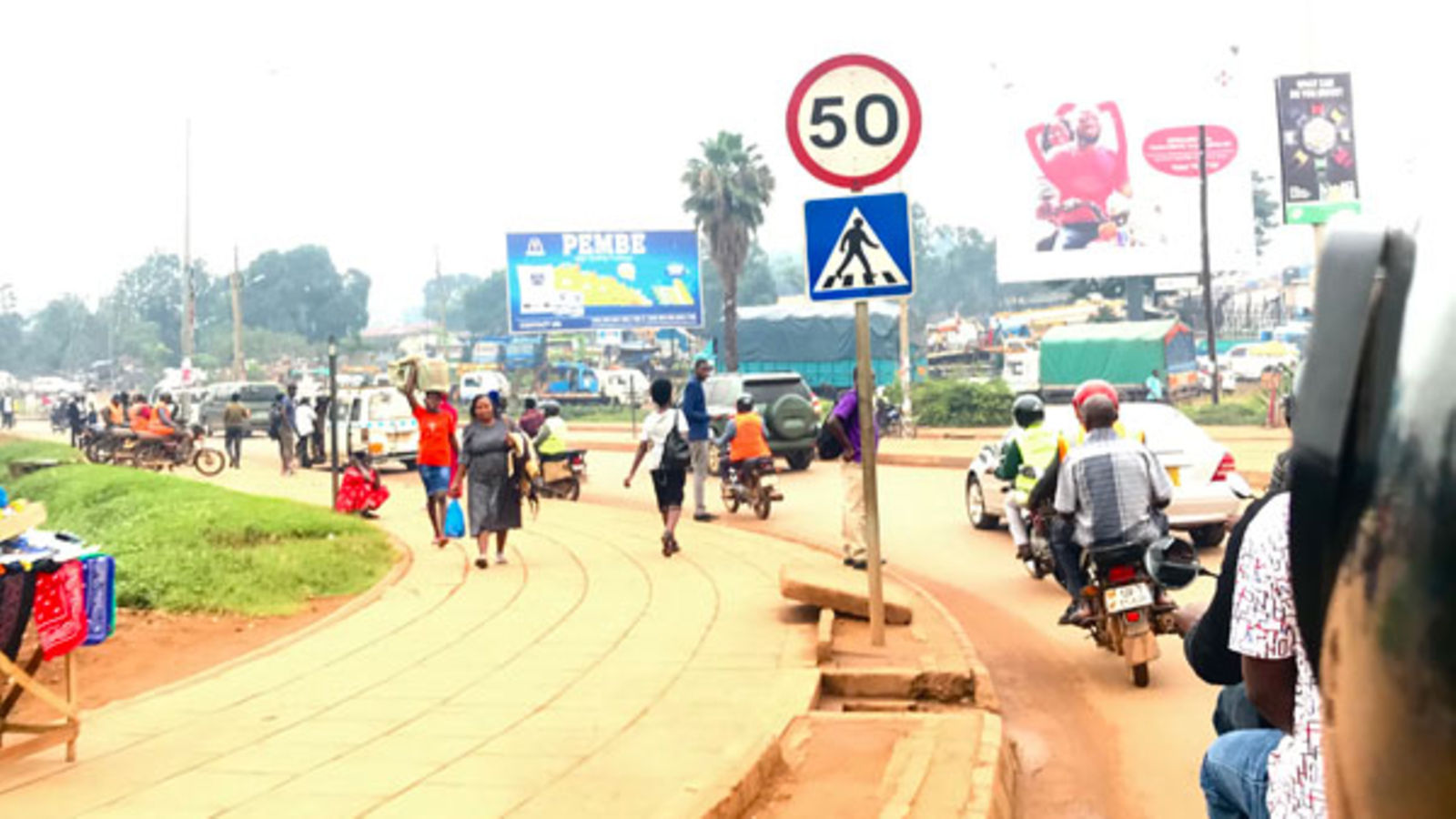
Urban Area Speed Limits
Within cities, towns, and built-up areas, speed limits are significantly reduced to protect the high concentration of pedestrians, cyclists, and other vulnerable road users.
Standard urban speed limit: 50 km/h
This applies to:
- Kampala central business district
- Residential neighborhoods in all cities and towns
- Market areas and commercial centers
- School zones (often lower, around 30 km/h when indicated)
- Areas with high pedestrian activity
Rationale for urban limits: The 50 km/h limit provides drivers with reasonable reaction time to unexpected hazards common in Ugandan urban environments—children darting into streets, boda bodas weaving through traffic, pedestrians crossing between vehicles, street vendors near roadways, and sudden obstacles like potholes or speed bumps.
Practical application: In reality, Kampala’s notorious traffic congestion means you’ll rarely reach 50 km/h during peak hours. However, during off-peak times—early mornings, late nights, or weekends—it’s easy to exceed this limit if you’re not paying attention. Modern vehicles feel comfortable at 60-70 km/h, but these speeds are illegal and dangerous in urban settings.
Highway and Rural Road Limits
Outside built-up areas, speed limits increase to allow more efficient travel between destinations.
Standard highway speed limit: 80 km/h
This applies to:
- National highways connecting major cities
- Well-maintained tarmac roads outside urban areas
- Rural roads with good visibility and minimal roadside development
Maximum speed limit: 100 km/h
Some modern highways, particularly newer sections with superior design and construction, permit speeds up to 100 km/h. These include:
- The Entebbe Expressway (certain sections)
- Select stretches of the Northern Bypass
- Newly constructed or upgraded highway sections with posted 100 km/h signs
Important clarification: The 100 km/h limit applies only where specifically posted. Assume 80 km/h unless signs indicate otherwise.
Vehicle-Specific Restrictions
Certain vehicle categories face additional restrictions regardless of road type.
Commercial vehicles (trucks, buses, trailers):
- Maximum 80 km/h on any road
- Some heavier vehicles restricted to 60 km/h
- Posted signs indicate specific restrictions
Motorcycles (including boda bodas):
- Subject to the same general limits as cars
- However, enforcement and compliance vary significantly
- Riders should adhere to posted limits for safety
Learner drivers:
- Must display “L” plates clearly
- Recommended to drive at conservative speeds
- Should avoid highways during learning phases when possible
Special Zone Considerations
School zones:
- Often 30 km/h when children are present
- Posted signs indicate reduced limits during school hours
- Strictly enforced in areas around schools
Construction zones:
- Temporary speed reductions posted on signage
- Usually 30-50 km/h depending on conditions
- Workers present make these areas high-risk
Hospital and pedestrian zones:
- Reduced limits for safety
- High pedestrian activity demands extra caution
- Even within legal limits, drive defensively
For updates on speed limit changes, new road regulations, and enforcement areas, automag.ug provides regular coverage of Uganda’s evolving traffic laws and road safety initiatives.
Essential Road Rules Every Driver Must Know
Beyond speed limits, Uganda’s traffic laws encompass numerous regulations governing driver behavior, vehicle operation, and road usage.
Right of Way and Priority Rules
Understanding who has priority in various situations prevents accidents and traffic violations.
Roundabout navigation:
- Traffic already in the roundabout has right of way
- Yield to vehicles approaching from your right
- Signal your exit intention
- Kampala’s roundabouts can be chaotic—defensive driving is essential
Uncontrolled intersections:
- Vehicle on the right has priority
- In practice, larger or faster vehicles often assume priority (not legal but common)
- Approach cautiously and make eye contact with other drivers
Traffic lights:
- Red means stop completely before the stop line
- Amber (yellow) means stop if safe to do so, not accelerate
- Green means proceed when safe (check for pedestrians and late runners of red lights)
- Turning vehicles must yield to pedestrians in crosswalks
Pedestrian crossings:
- Marked crosswalks (zebra crossings) give pedestrians absolute priority
- Stop completely and allow pedestrians to cross
- Unmarked crossings still require caution for crossing pedestrians
- School crossings demand particular attention
Emergency vehicles:
- Pull to the side and stop for ambulances, fire trucks, or police with sirens and lights
- Clear the way as quickly and safely as possible
- Don’t block intersections that emergency vehicles need to access
Overtaking Regulations
Overtaking maneuvers cause numerous accidents when performed incorrectly or illegally.
Legal overtaking:
- Only overtake on the right (passing on the left is illegal except in specific circumstances)
- Ensure clear visibility ahead (minimum 100 meters of clear road)
- Use indicators to signal intention
- Check mirrors and blind spots thoroughly
- Complete the maneuver efficiently without excessive speed
- Return to the left lane once safely past
Prohibited overtaking zones:
- Solid white line markings
- Corners and bends with limited visibility
- Crests of hills
- Near pedestrian crossings
- Within 30 meters of intersections
- Where signage specifically prohibits overtaking
Practical reality: Ugandan highways often feature impatient drivers overtaking in dangerous situations. Don’t feel pressured to follow illegal overtaking. Your safety matters more than arriving a few minutes earlier.
Lane Discipline and Road Positioning
Keep left:
- Uganda follows left-hand traffic (British system)
- Drive in the left lane except when overtaking
- Return to the left lane after completing overtakes
Lane markings:
- Solid white lines: No crossing or overtaking
- Broken white lines: Overtaking permitted when safe
- Double solid white lines: Absolutely no crossing
- Yellow edge lines: Road boundaries
Road shoulders:
- Not for regular driving (emergency use only)
- Boda bodas often use shoulders (illegal but common)
- Watch for vehicles pulling onto shoulders unexpectedly
Seat Belt and Safety Equipment Requirements
Seat belt regulations:
- Driver and all passengers must wear seat belts
- Children under certain ages require appropriate child restraints
- Both front and rear seat passengers covered by this law
- Penalties apply for non-compliance
Safety equipment requirements: All vehicles must carry:
- Functional spare tire (not a deflated or damaged spare)
- Working jack and wheel wrench
- Reflective warning triangle
- First aid kit
- Fire extinguisher (particularly for commercial vehicles)
Police may check for these items during routine stops. Missing equipment results in fines.
Mobile Phone Use While Driving
Strict prohibition:
- Handheld mobile phone use while driving is illegal
- This includes calls, texting, and app use
- Hands-free devices (Bluetooth, mounted speakers) are permitted
- Penalties include fines and potential license points
Practical enforcement: While enforcement varies, the law is clear. If stopped with a phone in hand while driving, expect a citation.
Safe practice:
- Pull over completely to take calls
- Use hands-free systems for necessary communication
- Designate a passenger to handle navigation and calls
- Turn phones to silent to avoid distraction temptation
Alcohol and Driving
Blood alcohol limit:
- Uganda’s legal limit is 0.08% BAC (blood alcohol content)
- Lower limits apply to commercial and learner drivers
- Police conduct random breath tests, particularly at night and weekends
Practical guidance:
- The safest approach is zero alcohol if driving
- Even small amounts can impair judgment and reaction time
- Use taxis, boda bodas, or designated drivers if drinking
- Penalties for DUI include heavy fines, license suspension, and potential imprisonment
Vehicle Condition and Roadworthiness
Legal requirements: Vehicles must maintain:
- Functioning lights (headlights, brake lights, indicators, reverse lights)
- Effective brakes
- Properly inflated tires with adequate tread depth
- Working horn
- Intact windscreen without obstructive cracks
- Functional steering system
- No excessive smoke emissions
Regular inspections: While Uganda doesn’t have mandatory annual vehicle inspections like some countries, police can and do conduct roadside vehicle checks. Vehicles failing basic safety standards face fines and potential impounding until rectified.
Maintaining your vehicle in good condition isn’t just about legal compliance—it’s essential for safety on Uganda’s challenging roads. For drivers considering reliable, well-maintained vehicles less likely to fail roadside inspections, platforms like auto24.ug feature options like the Toyota Premio, Honda Fit, and Nissan Note, known for their reliability and ease of maintenance.
Understanding Traffic Signs and Road Markings
Uganda uses internationally recognized traffic sign systems, making them familiar to most drivers worldwide.
Regulatory Signs (What You Must Do)
These signs indicate legal requirements that must be followed.
Common regulatory signs:
- Stop signs (octagonal red): Come to complete stop
- Yield signs (triangular): Give way to other traffic
- Speed limit signs (circular with red border): Maximum permitted speed
- No entry signs (circular red with white bar): Do not enter
- One-way signs: Direction of permitted travel
- No parking signs: Parking prohibited in area
Compliance: Violating regulatory signs results in fines and penalties. These aren’t suggestions—they’re legal requirements.
Warning Signs (Hazards Ahead)
Warning signs alert you to upcoming dangers requiring caution.
Common warning signs:
- Sharp curves ahead
- Steep hills (uphill or downhill)
- Slippery road surface
- Road narrows
- Pedestrian crossing ahead
- School zone
- Animal crossing
- Roadwork ahead
- Bumpy road
Response: Reduce speed, increase alertness, and prepare for the indicated hazard.
Informational Signs (Helpful Information)
These provide useful information without legal requirements.
Common informational signs:
- Distance to destinations
- Highway numbers and names
- Service areas (petrol stations, rest areas)
- Tourist attractions
- Hospital locations
- Parking areas
Road Markings Significance
Centerline markings:
- Broken white line: Overtaking permitted when safe
- Solid white line: No overtaking
- Double solid white: Absolutely no crossing
Edge markings:
- Yellow or white lines marking road edges
- Help with night visibility and road positioning
Pedestrian crossings:
- Zebra stripes indicate pedestrian priority
- Stop before the crossing to allow pedestrians
Box junctions:
- Yellow crossed lines at intersections
- Don’t enter unless your exit is clear (prevents blocking intersection)
For visual guides and detailed explanations of Uganda-specific signage, including regional variations and newly introduced signs, carkibanda.com offers comprehensive illustrated resources that help drivers recognize and respond appropriately to all traffic control devices.
Enforcement: Police Checks and Traffic Stops
Understanding how Uganda Police Force enforces traffic laws helps you navigate interactions professionally and legally.
Common Enforcement Locations
Police roadblocks and checkpoints:
- Major highways at strategic locations
- Entry and exit points for cities
- Areas with high accident rates
- Random locations for compliance checks
Traffic patrol operations:
- Mobile patrols on highways
- Urban traffic police at major intersections
- Motorcycle police in congested areas
- Speed camera zones (increasingly common)
What to Do When Stopped
Proper procedure:
- Slow down and pull over safely to the roadside
- Turn off your engine and remain in the vehicle unless instructed otherwise
- Have your documents ready (license, vehicle registration, insurance)
- Be polite and respectful
- Answer questions honestly and directly
- Don’t volunteer information beyond what’s asked
- If issued a ticket, accept it without arguing at the scene
Required documents:
- Valid driver’s license
- Vehicle registration documents (logbook)
- Valid insurance certificate
- For foreign visitors: International Driving Permit (IDP)
Don’t:
- Argue aggressively with officers
- Attempt to flee or ignore police signals to stop
- Offer bribes (this is illegal and can result in arrest)
- Refuse to provide required documents
- Make sudden movements that could be misinterpreted
Understanding Traffic Fines
Common violations and typical fines:
- Speeding: UGX 100,000-200,000 (varies by severity)
- No seat belt: UGX 40,000-80,000
- Mobile phone use: UGX 80,000-120,000
- Driving without insurance: UGX 200,000+ and potential vehicle impounding
- Drunk driving: UGX 500,000+ and potential imprisonment
- Running red light: UGX 80,000-150,000
- Dangerous driving: UGX 200,000+ and potential license suspension
Fine payment:
- Police issue Express Penalty tickets
- Payment made at designated banks, not to officers directly
- Retain receipts as proof of payment
- Failure to pay results in court summons
Dealing with Corruption
Unfortunately, some traffic stops involve solicitation for bribes. While Uganda is working to combat this, it remains a challenge.
If asked for an illegal payment:
- Politely request official documentation of the violation
- Ask for the Express Penalty ticket
- State that you’ll pay the fine through official channels
- Note the officer’s name and badge number if the situation seems clearly corrupt
- Don’t argue extensively—request official process and proceed accordingly
Reporting corruption: Uganda Police has anti-corruption units
- Report clear corruption cases through official channels
- The UPF Professional Standards Unit handles complaints
- Documentation (video, receipts, details) supports complaints
Most police interactions are professional and legitimate. Approaching them respectfully and having proper documentation makes most stops brief and straightforward.
Special Considerations for Different Road Users
Uganda’s roads host diverse users, each with specific rules and considerations.
Motorcycles and Boda Bodas
Motorcycles must follow the same general rules as cars, but face additional regulations.
Helmet requirements:
- Rider and passenger must wear helmets
- Helmets must meet safety standards
- No helmet results in fines
Licensing:
- Special motorcycle license required
- Different class from car licenses
- Learner restrictions apply
Boda boda specific issues:
- Commercial boda bodas require additional permits
- Rider must wear reflective vest
- Vehicle must have registration and insurance
- Many boda bodas operate outside regulations (enforcement challenge)
Safety when interacting with motorcycles:
- Check mirrors and blind spots carefully
- Give motorcycles adequate space
- Expect unpredictable movements
- Never open doors without checking for approaching motorcycles
Cyclists and Pedestrians
Cyclist rights:
- Entitled to road use
- Should ride as far left as practical
- Must use lights at night
- Should wear reflective gear
Motorist responsibilities:
- Give cyclists wide berth when overtaking (minimum 1 meter clearance)
- Watch for cyclists at intersections
- Never force cyclists off the road
Pedestrian priority:
- Pedestrians have right of way at marked crossings
- Exercise caution near schools, markets, and residential areas
- Slow down when pedestrians are near the roadway
- Uganda’s pedestrian traffic culture means people often cross anywhere—stay alert
Heavy Commercial Vehicles
Truck and bus regulations:
- Speed restrictions (maximum 80 km/h)
- Specific lane requirements on multi-lane roads
- Mandatory rest periods for drivers
- Load restrictions and securing requirements
Sharing roads with large vehicles:
- Allow extra following distance (they need more stopping distance)
- Be patient when they’re moving slowly on hills
- Exercise caution when overtaking (requires more time and space)
- Watch for blind spots (trucks have limited rear visibility)
Regional Variations and Local Practices
While laws are uniform across Uganda, enforcement and driving culture vary regionally.
Kampala Urban Driving
Characteristics:
- Extremely congested, particularly during rush hours (7-9 AM, 5-8 PM)
- Aggressive driving culture
- Boda bodas weaving between vehicles
- Frequent stops and slow movement
- Pedestrians crossing between traffic
- Numerous speed bumps and road obstacles
Adaptation strategies:
- Allow extra travel time
- Maintain patience and defensive driving
- Watch all directions constantly
- Use mirrors religiously
- Expect unexpected movements from other road users
Highway Driving
Characteristics:
- Higher speeds on open stretches
- Mix of vehicles from boda bodas to large trucks
- Variable road quality
- Rural hazards (livestock, pedestrians, cyclists)
- Fewer services between towns
Best practices:
- Maintain steady speed within limits
- Regular mirror checks for faster overtaking vehicles
- Anticipate road condition changes
- Plan fuel stops (stations can be sparse)
- Avoid night driving on unfamiliar routes
Rural and Murram Roads
Characteristics:
- Unpaved surfaces
- Narrower roads
- Minimal or no signage
- Local traffic (pedestrians, livestock, agricultural vehicles)
- Seasonal condition variations
Appropriate driving:
- Significantly reduced speeds
- Dust clouds limit visibility
- Expect sudden obstacles
- Greet and acknowledge local people (courtesy matters)
- Ask directions when uncertain (locals are generally helpful)
Practical Tips for Compliance and Safety
Following rules is important, but practical application requires additional awareness and skills.
Developing a Compliant Driving Mindset
Attitude matters:
- View rules as safety measures, not inconveniences
- Take responsibility for your actions
- Don’t justify violations because “everyone else does it”
- Model good driving behavior for other road users
Continuous learning:
- Traffic laws evolve—stay informed
- Learn from mistakes without repeating them
- Observe skilled, safe drivers
- Participate in defensive driving courses when available
Vehicle Selection for Rule Compliance
Some vehicles make it easier to drive within rules and safety margins.
Features supporting compliance:
- Working speedometer that’s easy to read
- Functional indicators and lights
- Good visibility (mirrors, window positioning)
- Responsive brakes
- Reliable mechanical condition
Modern vehicles available on platforms like auto24.ug, including models like the Toyota Axio, Honda Grace, and Nissan Sylphy, come equipped with features like digital speedometers, comprehensive safety equipment, and reliable systems that help drivers maintain legal compliance while enjoying comfortable, safe transportation.
Technology Aids
Helpful tools:
- GPS with speed limit warnings
- Dashcams (document road conditions and incidents)
- Smartphone apps showing traffic, speed limits, and police locations
- Maintenance reminder apps
Modern vehicle features:
- Speed limiters (can set maximum speed)
- Lane departure warnings
- Collision avoidance systems
- Adaptive cruise control
As Uganda’s vehicle market evolves toward smarter, safer technology, platforms like EV24.africa are introducing electric vehicles with advanced safety features as standard equipment. EVs typically include speed limiters, regenerative braking that naturally reduces speeds when lifting off the accelerator, and multiple driver assistance technologies that support legal, safe driving—representing the future of automotive safety and compliance.
Teaching New Drivers
For parents and driving instructors:
- Emphasize rules from the beginning
- Explain the reasons behind rules, not just the rules themselves
- Practice in varied conditions (urban, highway, rural)
- Model compliant driving yourself
- Discuss real situations and appropriate responses
For new drivers:
- Take professional driving lessons
- Study the highway code thoroughly
- Practice extensively before driving alone
- Start with easier conditions and progress to challenging ones
- Ask questions and seek guidance
Consequences of Violations Beyond Fines
While fines are the immediate consequence of traffic violations, other impacts can be more significant.
Accident Liability
Legal implications:
- Violating traffic laws at the time of an accident increases your liability
- Insurance may refuse claims if you were breaking laws
- Criminal charges possible for serious violations causing injury or death
- Civil lawsuits from injured parties
Example: If you run a red light and cause an accident, even if the other driver had some fault, your violation establishes liability. Insurance companies and courts view this seriously.
Insurance Implications
Premium increases:
- Multiple violations raise insurance costs
- Some violations trigger automatic premium increases
- Serious violations can make you uninsurable
Claim denials:
- Insurance may deny claims if you violated terms (drunk driving, no license, etc.)
- Even minor violations can complicate claim processes
License Suspension or Revocation
Point systems and penalties:
- Serious violations accumulate points
- Reaching certain point thresholds triggers license suspension
- Drunk driving, dangerous driving, and causing serious accidents can result in immediate license revocation
- Reinstatement requires meeting specific conditions and paying fees
Criminal Records
Serious violations:
- Drunk driving convictions create criminal records
- Causing death by dangerous driving is a criminal offense with imprisonment
- Hit and run is a serious crime
- Criminal records affect employment, travel, and other life aspects
These long-term consequences far exceed the immediate inconvenience of a fine, making compliance clearly worthwhile.
Staying Updated on Changing Regulations
Traffic laws evolve as Uganda modernizes its road network and addresses emerging safety challenges.
Recent and Upcoming Changes
New developments:
- Increased use of speed cameras and automated enforcement
- Stricter penalties for drunk driving
- Enhanced regulations for boda boda operations
- Improved road signage on major highways
- Introduction of digital licensing systems
Information Sources
Staying informed:
- Uganda Police Force traffic department announcements
- Ministry of Works and Transport updates
- Local news coverage of traffic law changes
- Automotive websites like automag.ug and carkibanda.com covering regulatory updates
- Driver education programs and refresher courses
When laws change:
- Grace periods often allow adjustment
- Public awareness campaigns typically accompany major changes
- Ignorance isn’t an acceptable defense—responsibility to stay informed lies with drivers
The Bigger Picture: Road Safety Culture
Traffic laws exist within a broader road safety culture that Uganda continues developing.
Current Challenges
Persistent issues:
- High accident rates, particularly on highways
- Pedestrian casualties in urban areas
- Motorcycle accidents and fatalities
- Driving behavior that prioritizes speed over safety
- Inadequate traffic education
- Enforcement challenges in rural areas
Positive Developments
Improvements underway:
- Modern road construction with better safety features
- Increased traffic police presence and training
- Public awareness campaigns
- School-based road safety education
- Community engagement in safety initiatives
- Technology adoption (cameras, better lighting)
Individual Responsibility
Your role: Each driver contributes to overall road safety culture through:
- Personal compliance with rules
- Modeling safe behavior for others
- Reporting dangerous driving
- Participating in safety initiatives
- Teaching new drivers properly
- Speaking up about road safety in communities
Uganda’s roads will become safer when collective driving culture values compliance, safety, and mutual respect among all road users.
Conclusion: Rules as Tools for Safety
Understanding Uganda’s speed limits and road rules goes far beyond memorizing numbers and regulations. These rules represent collective wisdom about how to navigate shared spaces safely, protecting yourself, your passengers, other road users, and pedestrians who depend on drivers following predictable, safe patterns.
The 50 km/h urban limit exists because at that speed, you can stop in time when a child runs into the street. The 80 km/h highway limit accounts for reaction time when livestock wander onto the road ahead. Seat belt requirements exist because they reduce fatality rates by 50% in accidents. Mobile phone prohibitions address the reality that distracted drivers cause countless preventable collisions.
Yes, enforcement varies, and yes, many drivers violate rules with apparent impunity. But this doesn’t diminish the wisdom of following them. Your decision to drive within speed limits, obey signs, yield appropriately, and maintain a roadworthy vehicle might not earn praise or recognition—but it significantly reduces your accident risk and sets an example for others.
Start with the basics: know the speed limits for different areas, understand priority rules, carry required documents, maintain your vehicle properly, and approach every journey with the mindset that rules exist for good reasons. As you gain experience, deepen your understanding through continued learning and observation.
Uganda’s roads present challenges, but they’re navigable safely when drivers commit to knowledge, compliance, and defensive practices. Your understanding of speed limits and road rules forms the foundation of that safety. Build on it through practice, continuous learning, and a genuine commitment to protecting yourself and others sharing Uganda’s roads.
The journey to safer roads starts with informed, responsible drivers—drivers who understand not just what the rules are, but why they matter and how to follow them consistently. Be that driver.