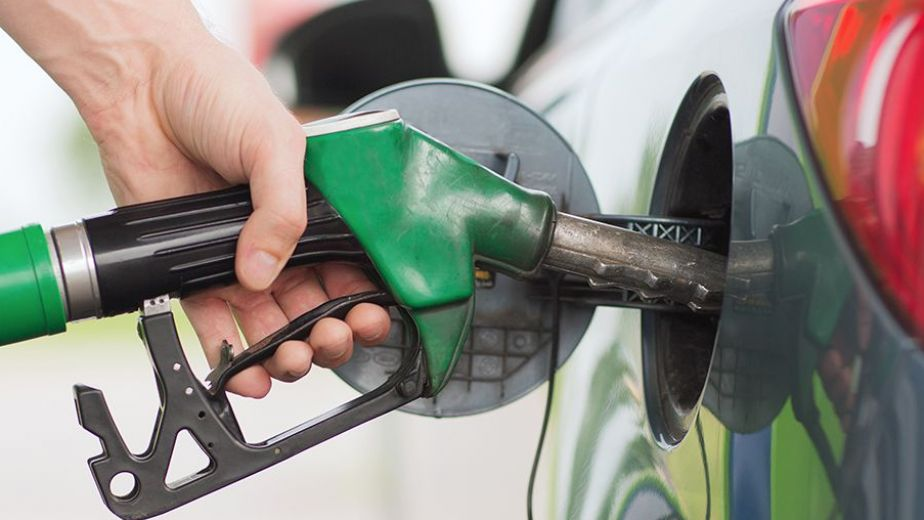
Fuel costs represent one of the largest ongoing expenses for Ugandan drivers, often consuming a significant portion of monthly budgets. With petrol and diesel prices fluctuating and generally trending upward, finding ways to reduce fuel consumption has become essential for anyone who depends on their vehicle for daily commuting, business, or family transportation. The good news is that you don’t need to buy a new, more efficient vehicle to dramatically reduce your fuel costs. Through smart driving habits, proper vehicle maintenance, and strategic choices, most Ugandan drivers can reduce fuel consumption by 20-30% or more, translating to savings of hundreds of thousands of shillings annually. This comprehensive guide reveals practical, proven fuel-saving secrets specifically tailored to Uganda’s driving conditions and road network.
Understanding Fuel Consumption in Ugandan Conditions
Before diving into specific fuel-saving techniques, it’s important to understand what actually drives fuel consumption in Uganda’s unique driving environment.
The Urban Traffic Reality
Kampala’s notorious traffic congestion creates one of the most fuel-inefficient driving conditions possible. Stop-and-go traffic forces your engine to repeatedly accelerate a stationary vehicle, which consumes far more fuel than steady-speed driving. Additionally, extended idling while stationary in traffic burns fuel without covering any distance, producing zero kilometers per liter during those periods.
A vehicle that achieves 12 km/l on the highway might drop to 6-7 km/l in heavy urban traffic. Understanding this reality helps you appreciate why driving behavior matters so much for fuel economy.
Road Condition Impact
Uganda’s mix of smooth tarmac, pothole-riddled urban roads, and rough murram surfaces affects fuel consumption significantly. Rough roads increase rolling resistance, forcing your engine to work harder. Constant speed adjustments to navigate potholes and obstacles also hurt efficiency.
Climate and Altitude Considerations
Uganda’s warm climate means air conditioning use is common, adding significant load to the engine and increasing fuel consumption by 10-20% when running. Additionally, driving at different altitudes affects engine efficiency and fuel mixture, though this is less impactful than other factors.
Secret #1: Master the Art of Smooth Acceleration
How you use the accelerator pedal has perhaps the single biggest impact on fuel consumption. Aggressive acceleration wastes fuel, while smooth, gradual acceleration optimizes efficiency.
The Science Behind Smooth Driving
When you press the accelerator pedal hard, you’re instructing the engine to inject more fuel to produce more power quickly. While necessary in emergency situations, this approach during normal driving consumes fuel at rates 30-40% higher than gentle acceleration.
The Smooth Acceleration Technique
Practical application:
- When pulling away from a stop, accelerate gently and progressively
- Imagine you have a raw egg under the accelerator pedal that you don’t want to break
- Aim to reach your desired speed over 10-15 seconds rather than 5 seconds
- Listen to engine sound—if it’s roaring, you’re accelerating too hard
- For manual transmissions, shift up earlier (around 2,000-2,500 RPM) rather than running the engine to 3,000+ RPM
In traffic:
- Anticipate stops by easing off the accelerator early rather than maintaining speed until the last moment
- Allow gaps to open ahead of you so traffic flows more smoothly without constant stopping
- Accelerate gently when traffic begins moving again
This technique requires patience and conflicts with the aggressive driving culture common in Kampala. However, the fuel savings are substantial and measurable. Drivers who adopt smooth acceleration typically see 15-25% improvement in fuel economy without adding significant time to their journeys.
Coasting Technique
When approaching stops or slowing down:
- Lift off the accelerator early and allow the vehicle to coast
- Use engine braking (leaving the car in gear) rather than neutral coasting in modern fuel-injected vehicles
- Only brake when necessary to complete the stop
Modern engines cut fuel supply completely during engine braking, meaning you use zero fuel while slowing down. In neutral, the engine continues burning fuel to maintain idle speed.
Secret #2: Maintain Optimal Tire Pressure
Tire pressure seems minor but significantly impacts fuel consumption through rolling resistance—the energy required to keep tires rolling.
The Pressure-Efficiency Connection
Under-inflated tires increase the contact patch with the road surface, creating more friction and requiring more engine power to maintain speed. Even moderately low pressure (just 5-10 PSI below recommended) can increase fuel consumption by 3-5%.
The Optimal Pressure Strategy
Check pressure weekly:
- Use a reliable tire pressure gauge (digital gauges are most accurate)
- Check when tires are cold (before driving or at least 3 hours after driving)
- Inflate to the manufacturer’s recommended pressure (found on a sticker inside the driver’s door or in the owner’s manual)
- Don’t use the maximum pressure stamped on the tire sidewall—this is the tire’s limit, not the optimal pressure
Adjust for conditions:
- For highway driving, inflate to the upper end of the recommended range
- For heavy loads, add 2-3 PSI above normal
- Never over-inflate significantly, as this reduces traction and ride comfort
Additional benefits:
- Proper pressure extends tire life by 25-30%
- Improves handling and safety
- Reduces risk of blowouts
Many petrol stations offer free air. Make checking and adjusting pressure part of your weekly routine. This five-minute task can save 3-5% on fuel costs—on a monthly fuel budget of UGX 400,000, that’s UGX 12,000-20,000 saved monthly just from proper tire inflation.
Secret #3: Reduce Unnecessary Weight and Drag
Every kilogram your vehicle carries requires fuel to move. While you can’t reduce the vehicle’s base weight, you can eliminate unnecessary cargo and modifications that increase consumption.
Weight Management
Clear out your vehicle:
- Remove items stored in the trunk that aren’t needed for current journeys
- Take out heavy tools, equipment, or materials after completing jobs requiring them
- Avoid using your vehicle as mobile storage
Weight impact: Every 50 kg of unnecessary weight increases fuel consumption by approximately 1-2%. If you’re carrying 100 kg of unneeded items, you’re wasting 2-4% of your fuel budget continuously.
Aerodynamic Considerations
Reduce drag:
- Remove roof racks when not in use—they create significant air resistance even when empty
- Avoid driving with windows fully open at highway speeds (increases drag more than air conditioning at speeds above 80 km/h)
- Close windows and use ventilation or air conditioning on highways
- Keep exterior modifications minimal—large spoilers, body kits, and other additions often worsen aerodynamics
Cargo carrying:
- When transporting large items, place them inside the vehicle rather than on the roof whenever possible
- If roof carrying is necessary, use aerodynamic cargo boxes rather than open racks
- Secure loads tightly to minimize movement and drag
These adjustments might seem minor, but combined they can improve highway fuel economy by 5-8%, making them worthwhile for drivers who frequently travel between cities or on longer routes.
Secret #4: Strategic Air Conditioning Use
Air conditioning is essential in Uganda’s warm climate, but it’s also one of the largest auxiliary loads on your engine, significantly impacting fuel consumption.
Understanding A/C Fuel Cost
Running air conditioning increases fuel consumption by 10-20% depending on system efficiency, outside temperature, and cooling demand. On a vehicle consuming 10 liters per 100 km, this adds 1-2 liters per 100 km—a substantial cost over time.
The Smart Cooling Strategy
Minimize A/C load:
- Park in shade when possible to reduce interior heat buildup
- Use window shades or reflective windscreen covers when parked
- Before starting A/C, open all windows and doors for 1-2 minutes to exhaust hot air
- Set temperature to a moderate level (23-24°C) rather than maximum cold
- Use fresh air mode initially, then switch to recirculation once the cabin cools
Strategic operation:
- At low speeds (below 50 km/h) in moderate heat, open windows instead of using A/C
- At highway speeds (above 80 km/h), use A/C rather than open windows (lower drag)
- Turn off A/C 2-3 minutes before reaching your destination
- Service the A/C system regularly to maintain efficiency
Maintenance for efficiency:
- Replace cabin air filters every 15,000-20,000 km (dirty filters reduce airflow, forcing A/C to work harder)
- Have the A/C system checked annually for refrigerant leaks
- Clean condenser fins to maintain cooling efficiency
By using air conditioning strategically rather than continuously at maximum, you can reduce its fuel consumption impact from 20% to just 5-10%, saving significant money while remaining comfortable.
Secret #5: Vehicle Maintenance for Fuel Efficiency
A poorly maintained vehicle consumes significantly more fuel than one kept in optimal condition. Regular maintenance isn’t just about reliability—it’s a fuel-saving investment.
Engine Air Filter
The air filter supplies clean air for combustion. A clogged filter restricts airflow, causing the engine to consume more fuel trying to maintain power.
Maintenance schedule:
- Inspect every 5,000 km in Uganda’s dusty conditions
- Replace when visibly dirty or clogged (typically every 10,000-15,000 km)
- Clean foam filters if your vehicle uses them
Fuel impact: A severely clogged air filter can increase fuel consumption by 5-10%. A new filter costs UGX 30,000-60,000 but can save this amount in fuel within weeks.
Engine Oil Quality
Using the correct grade of engine oil and changing it regularly reduces internal friction, allowing the engine to run more efficiently.
Oil selection:
- Use the manufacturer-recommended oil grade
- Consider synthetic oil, which reduces friction better than conventional oil
- Change oil every 7,000-8,000 km in Uganda’s dusty conditions (rather than the standard 10,000 km interval)
Fuel impact: Proper oil maintenance can improve fuel economy by 2-3%.
Spark Plugs
Worn spark plugs cause incomplete combustion, wasting fuel and reducing power.
Maintenance:
- Replace spark plugs every 30,000-40,000 km for standard plugs
- Platinum or iridium plugs last 80,000-100,000 km but cost more initially
- Have them inspected if you notice reduced performance or rough running
Fuel impact: Worn spark plugs can increase fuel consumption by 5-10% while also reducing power.
Fuel System Cleanliness
Dirty fuel injectors spray fuel inefficiently, causing poor combustion and increased consumption.
Maintenance:
- Use quality fuel from reputable stations
- Add fuel system cleaner every 5,000-8,000 km
- Have injectors professionally cleaned every 40,000-50,000 km if needed
For detailed maintenance schedules and guides specific to vehicles commonly driven in Uganda, automag.ug provides comprehensive resources tailored to local conditions and fuel quality challenges.
Wheel Alignment
Misaligned wheels cause tires to drag at angles rather than rolling straight, increasing resistance and fuel consumption.
Signs of misalignment:
- Vehicle pulls to one side
- Uneven tire wear
- Steering wheel off-center when driving straight
Maintenance:
- Check alignment annually or after hitting significant potholes
- Cost: UGX 50,000-80,000
- Fuel impact: Proper alignment can improve economy by 2-3%
Secret #6: Route Planning and Trip Consolidation
The routes you choose and how you organize trips significantly impact total fuel consumption.
Smart Route Selection
Use navigation apps strategically:
- Google Maps and other apps show real-time traffic conditions
- Choose routes that avoid heavy congestion even if slightly longer in distance
- A route that’s 2 km longer but avoids 30 minutes of stop-and-go traffic often uses less fuel
Time your travel:
- Avoid peak traffic hours (7:00-9:30 AM and 5:00-8:00 PM) when possible
- Early morning or mid-day travel often uses significantly less fuel for the same journey
- Weekend travel is generally more fuel-efficient than weekday commuting
Trip Consolidation
Combine errands:
- Plan routes that accomplish multiple tasks in one trip
- Group errands by location rather than making separate trips
- A single 10 km trip uses less fuel than two 5 km trips (the engine runs more efficiently when warm)
Cold start impact: Cold engines consume 30-40% more fuel until they reach operating temperature (usually 5-10 minutes of driving). Multiple short trips from a cold start waste substantial fuel compared to one longer trip.
Example savings:
- Five separate 3 km trips (total 15 km): Uses approximately 2.0 liters
- One consolidated 15 km trip: Uses approximately 1.3 liters
- Savings: 0.7 liters per consolidation
Over a month with regular errand running, trip consolidation can save 10-15 liters of fuel, worth UGX 50,000-75,000.
Secret #7: Speed Management on Highways
Speed has a dramatic impact on fuel consumption, particularly above certain thresholds where aerodynamic drag increases exponentially.
The Sweet Spot Speed Range
Most vehicles achieve optimal fuel economy between 70-90 km/h. Above this range, air resistance increases rapidly, forcing the engine to work much harder to maintain speed.
Fuel consumption by speed (typical sedan):
- 70 km/h: 6.0 liters/100 km
- 90 km/h: 6.5 liters/100 km
- 110 km/h: 7.8 liters/100 km
- 130 km/h: 9.5 liters/100 km
Practical application:
- On highways, maintain 80-90 km/h rather than 110-120 km/h when time permits
- Use cruise control if your vehicle has it to maintain steady speed
- Anticipate hills and maintain momentum rather than accelerating hard uphill
Time vs. fuel trade-off:
- Kampala to Mbarara (265 km) at 110 km/h: 2 hours 25 minutes
- Same journey at 85 km/h: 3 hours 7 minutes
- Time difference: 42 minutes
- Fuel saved: Approximately 4-5 liters (UGX 20,000-25,000)
For many drivers, the modest time increase is worthwhile for substantial fuel savings, particularly on regular routes.
Secret #8: Engine Idling Reduction
Idling—running the engine while stationary—produces zero kilometers per liter while burning fuel continuously.
The Idling Cost
A typical engine consumes 0.6-1.0 liters per hour while idling. This seems small until you calculate cumulative costs:
- 30 minutes daily idling: 0.3-0.5 liters per day
- Monthly: 9-15 liters (UGX 45,000-75,000)
- Annually: 108-180 liters (UGX 540,000-900,000)
The Stop-Start Strategy
When to turn off the engine:
- Stops expected to exceed 60 seconds (traffic lights, waiting for passengers, roadside stops)
- Any extended waiting period
- Modern fuel-injected engines restart efficiently with minimal fuel use
When to keep running:
- Very short stops (less than 30 seconds)
- In situations requiring quick departure for safety
- If your battery or starter motor is weak (restart draws heavy current)
Benefits beyond fuel savings:
- Reduces engine wear from extended idling
- Decreases emissions
- Quieter environment
Many modern vehicles feature automatic stop-start systems that shut down the engine at stops and restart when you release the brake. While some drivers find this annoying, it saves significant fuel in urban driving.
Secret #9: Choosing a Fuel-Efficient Vehicle
If you’re in the market for a vehicle or considering an upgrade, choosing a fuel-efficient model provides ongoing savings that dwarf any of the techniques discussed above.
Understanding Vehicle Efficiency Factors
Engine size matters:
- Smaller engines (1.3-1.5 liters) generally consume less fuel than larger ones (2.0+ liters)
- However, small engines struggle with heavy loads and require high RPMs, reducing efficiency
- Match engine size to your actual needs
Vehicle weight:
- Lighter vehicles require less energy to move
- Compact sedans typically achieve better fuel economy than large SUVs
- Consider whether you truly need an SUV or if a sedan would suffice
Transmission type:
- Modern automatic transmissions often match or exceed manual efficiency
- CVT (Continuously Variable Transmission) can be very efficient but requires specific maintenance
- Manual transmissions allow skilled drivers to maximize efficiency
Fuel-Efficient Models Popular in Uganda
If you’re considering a fuel-efficient vehicle suited to Ugandan conditions, platforms like auto24.ug feature various economical options:
Top efficiency choices:
- Toyota Passo/Vitz: 1.0-1.3L engines achieving 15-18 km/l in mixed driving
- Honda Fit: 1.3-1.5L engines with excellent space efficiency and 13-16 km/l
- Nissan Note: Compact with good ground clearance and 12-14 km/l
- Toyota Axio: 1.5L engine balancing efficiency (12-14 km/l) with comfort
- Mazda Demio: Reliable 1.3L engine with 14-16 km/l economy
Efficiency vs. practicality: While the most fuel-efficient vehicles are small compacts, they may not suit all needs. Consider:
- Road conditions you’ll encounter (rough roads favor slightly larger, higher vehicles)
- Passenger and cargo requirements
- Long-term reliability and parts availability
A slightly less efficient vehicle that’s more practical for your needs and reliable over time may actually cost less than a maximally efficient vehicle that’s impractical or unreliable.
The Electric Vehicle Option
For drivers looking to eliminate fuel costs entirely while embracing sustainable mobility, EV24.africa offers import options for electric cars, expanding choices in Uganda’s emerging EV market. While upfront costs are higher and charging infrastructure is still developing, EVs offer:
- Zero fuel costs (electricity is significantly cheaper than petrol)
- Minimal maintenance (no oil changes, fewer moving parts)
- Quiet, smooth operation
- Environmental benefits
As charging infrastructure expands and more affordable EV options become available, electric vehicles represent the ultimate fuel-saving solution, though they currently suit drivers with predictable routes and home charging capability.
Secret #10: Fuel Quality and Timing Strategies
Where and when you fuel can impact both cost and engine efficiency.
Station Selection for Quality
Choose reputable stations:
- Patronize well-known chains with consistent quality standards
- Avoid stations with suspiciously low prices (possible fuel contamination or dilution)
- Select busy stations with high turnover (fresher fuel)
Quality impact on efficiency:
- Contaminated fuel burns less efficiently
- Water in fuel reduces power and can damage injectors
- Correct octane rating ensures proper combustion
Optimal Fueling Practices
Fueling time considerations:
- Fuel early morning or late evening when fuel is cooler and denser (you get more energy per liter)
- Avoid fueling immediately after tanker delivery (wait 2-3 hours for sediment to settle)
- Don’t overfill the tank (fuel expands in heat and can overflow, wasting fuel)
Fuel level management:
- Keep tank above quarter-full to prevent fuel pump issues
- Don’t wait until empty—anxious driving to find a station wastes fuel
- Fill up rather than adding small amounts repeatedly (reduces trips to stations)
Fuel additives:
- Use fuel system cleaner every 5,000 km to maintain injector efficiency
- Quality additives cost UGX 15,000-25,000 but can improve efficiency by 2-3%
- Avoid generic additives from unknown sources
Secret #11: Driver Training and Awareness
Knowledge and awareness form the foundation of all fuel-saving techniques. Continuous learning and attention to driving behavior create lasting efficiency improvements.
Monitoring Your Consumption
Track fuel economy:
- Record each fuel purchase (liters and cost)
- Note odometer reading at each fill-up
- Calculate km/l for each tank: (kilometers driven) ÷ (liters used)
- Monitor trends over time
Digital tools:
- Many modern vehicles have trip computers showing real-time and average fuel economy
- Use this feedback to adjust driving behavior immediately
- Set goals for improvement and track progress
What good monitoring reveals:
- Which routes or driving times are most efficient
- Impact of specific behaviors (aggressive acceleration, excessive idling)
- When vehicle maintenance is needed (sudden economy decrease often indicates problems)
Eco-Driving Mindset
Develop efficiency awareness:
- Think of the accelerator as a fuel control, not just a speed control
- Anticipate traffic flow to minimize braking and acceleration
- Consider fuel cost of every driving decision
- Take pride in improving efficiency scores
Share knowledge:
- Teach family members who drive the vehicle
- Encourage efficient driving practices among employees if you provide company vehicles
- Create friendly competitions for best fuel economy
For comprehensive eco-driving courses and advanced techniques specific to Ugandan conditions, carkibanda.com offers detailed guides and video tutorials that go beyond basic advice to professional-level efficiency optimization.
The Cumulative Impact: Real Numbers
To understand the combined power of these fuel-saving secrets, consider a typical scenario:
Baseline scenario (inefficient driving):
- Vehicle: Medium sedan, 1.5L engine
- Monthly driving: 1,500 km (mix of urban and highway)
- Fuel economy: 8 km/l (poor urban efficiency)
- Monthly consumption: 188 liters
- Monthly cost (at UGX 5,000/liter): UGX 940,000
Optimized scenario (implementing all techniques):
- Same vehicle and mileage
- Improved fuel economy through:
- Smooth driving (+20% efficiency)
- Proper tire pressure (+3%)
- Weight reduction and aerodynamics (+5%)
- Smart A/C use (+8%)
- Regular maintenance (+5%)
- Route planning (+5%)
- Speed management (+7%)
- Reduced idling (+4%)
- Combined improvement: ~45% (realistic with disciplined application)
- New fuel economy: 11.6 km/l
- Monthly consumption: 129 liters
- Monthly cost: UGX 645,000
Monthly savings: UGX 295,000 Annual savings: UGX 3,540,000
These savings are substantial enough to cover vehicle maintenance, insurance, or even a vehicle upgrade over several years. The techniques work because they address multiple inefficiency sources simultaneously, creating compounding benefits.
Overcoming Common Obstacles
Implementing fuel-saving techniques faces several practical challenges in Ugandan driving culture.
Dealing with Aggressive Traffic
Kampala’s traffic culture often rewards aggressive driving—cutting in, rapid acceleration, and minimal following distances. Adopting fuel-efficient practices may feel like you’re losing ground.
Solutions:
- Remember your goal is financial efficiency, not winning traffic battles
- Maintain safe following distances despite pressure from behind
- Allow aggressive drivers to pass rather than competing
- Focus on steady progress rather than maximum speed
Family and Passenger Pressure
Passengers may complain about slower acceleration or reduced air conditioning.
Solutions:
- Explain the financial benefits and share savings goals
- Show monthly fuel cost reductions as evidence
- Compromise on comfort during shorter trips while maintaining efficiency
- Make fuel savings a family project with shared benefits
Time Pressure
Work and family obligations create time pressure that conflicts with efficient driving.
Solutions:
- Leave earlier to allow time for efficient driving speeds
- Recognize that aggressive driving rarely saves significant time (usually 2-5 minutes on typical commutes)
- Calculate time value vs. fuel cost for specific journeys
- Accept that some trips require speed over efficiency, but make these exceptions rather than rules
Long-Term Sustainability
Fuel-saving techniques only work if practiced consistently over time. Building sustainable habits ensures lasting benefits.
Start Small and Build
Don’t attempt to implement all techniques simultaneously—this leads to overwhelm and abandonment.
Sustainable approach:
- Choose 2-3 techniques to master first (smooth acceleration, proper tire pressure, and reduced idling are good starting points)
- Practice these for 2-3 weeks until they become automatic
- Add additional techniques gradually
- Celebrate small improvements in fuel economy
Make It Measurable
Track your progress visibly:
- Keep a fuel log in the vehicle
- Use apps that calculate efficiency
- Set monthly efficiency goals
- Reward yourself when achieving targets (the savings pay for rewards!)
Adapt to Circumstances
Recognize that perfect efficiency isn’t always possible or appropriate:
- Safety always supersedes fuel economy
- Emergency situations require responsive driving
- Some journeys prioritize speed over efficiency
- Balance efficiency with practical needs
The goal is maximizing efficiency within real-world constraints, not achieving perfect numbers at any cost.
Beyond Individual Savings
While this guide focuses on personal fuel savings, efficient driving creates broader benefits:
Environmental impact:
- Reduced fuel consumption means fewer emissions
- Lower carbon footprint per kilometer traveled
- Contributing to cleaner air in Uganda’s cities
Vehicle longevity:
- Gentle driving reduces wear on engine, transmission, and brakes
- Lower maintenance costs over vehicle lifetime
- Extended vehicle life before replacement needed
Improved safety:
- Smooth, anticipatory driving creates safer conditions
- Longer following distances improve reaction time
- Reduced aggressive driving lowers accident risk
These secondary benefits add value beyond direct fuel savings, making efficient driving worthwhile from multiple perspectives.
The Path Forward
Fuel costs will likely continue rising in the long term, making efficiency increasingly important for budget-conscious Ugandan drivers. The techniques outlined in this guide—from smooth acceleration and proper tire pressure to strategic route planning and vehicle selection—provide practical tools for reducing consumption by 20-40% or more.
The beauty of these fuel-saving secrets is that most require no financial investment, just awareness and changed behavior. Even the maintenance-related techniques pay for themselves quickly through fuel savings and extended vehicle life.
Start today by choosing just two or three techniques that seem most applicable to your driving situation. Practice them consistently for a month while tracking your fuel economy. As you see real savings appear in your monthly fuel budget, you’ll find motivation to incorporate additional techniques and refine your approach.
Remember: every liter saved is money in your pocket, reduced emissions in the air, and less wear on your vehicle. In Uganda’s challenging economic environment, these savings can make the difference between struggling with transportation costs and comfortably affording your vehicle’s operation.
Your journey toward greater fuel efficiency starts with a single tank of fuel and a commitment to driving smarter. The road ahead is paved with savings—all you need to do is follow the fuel-efficient path.