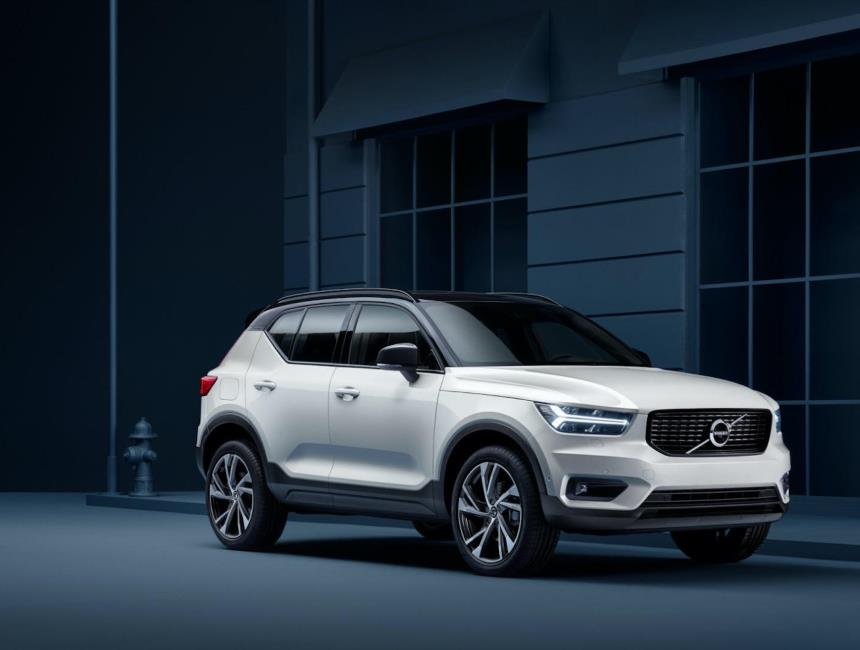
When it comes to luxury, safety, and tank-like build quality, few brands command as much respect as Volvo. In Uganda, the sight of a sleek XC90 or a sturdy XC60 is becoming increasingly common on the streets of Kampala. However, a lingering question often haunts potential buyers: Are Volvos expensive to maintain?
While Volvo offers a premium driving experience, owning one in East Africa requires a specific approach to maintenance. In this guide, we break down the costs, common issues, and how you can enjoy Swedish engineering without breaking the bank.
Understanding the Volvo Maintenance Reality
The short answer is: Yes, Volvos are generally more expensive to maintain than “budget” brands like Toyota or Nissan. This is because Volvos are precision-engineered luxury vehicles. They require specific synthetic oils, high-quality spare parts, and specialized diagnostic tools.
However, “expensive” is relative. When compared to other European rivals like BMW or Mercedes-Benz, Volvo often sits in a middle ground—offering robust reliability if serviced correctly. To understand more about how European cars compare to local favorites, you can check out automag.ug for the latest automotive news and driving tips tailored for Ugandan enthusiasts.
Common Maintenance Factors for Volvos in Uganda
1. Specialized Spare Parts
Unlike Japanese brands where you can find “common” parts in every corner of Kisekka Market, Volvo parts are more specialized. Genuine components often need to be sourced from reputable dealers or imported. Using “counterfeit” parts on a Volvo is a recipe for disaster, as the car’s complex electronic systems are sensitive to voltage and fitment variations.
2. Advanced Electronics
Volvos are pioneers in safety technology. Features like City Safety, Blind Spot Information Systems (BLIS), and advanced Airbag modules mean there are more sensors to look after. If a sensor fails, it requires a technician with the right OBDII software to recalibrate the system.
3. Suspension Wear and Tear
Ugandan roads can be unforgiving. Because Volvos are heavy cars built for smooth European motorways, their bushings and shock absorbers may wear out faster on bumpy terrain. Periodic suspension checks are vital to avoid costly “cascading” repairs where one bad part ruins another.
How to Reduce Volvo Maintenance Costs
Owning a Volvo doesn’t have to be a financial burden. Here are practical tips to keep your costs down:
- Preventative Maintenance: Never skip an oil change. Volvos use turbocharged engines that rely heavily on clean, high-grade synthetic oil to keep the turbo cooled and lubricated.
- Find a Volvo Specialist: Avoid “general” mechanics who guess their way through repairs. A specialist will save you money by diagnosing the problem correctly the first time.
- Buy Smart: If you are looking for a well-maintained Volvo or perhaps a more budget-friendly alternative to start with, you can find various second-hand cars suitable for Ugandan conditions by checking out auto24.ug. You might find popular models like the Volvo XC60 or even a rugged Toyota Land Cruiser that fits your maintenance budget.
- Read more here: Discover additional tips on car longevity and engine care.
Volvo and the Future of Mobility
As the world shifts toward greener energy, the maintenance conversation is changing. Electric vehicles (EVs) have fewer moving parts than traditional internal combustion engines, potentially lowering long-term service costs. For drivers looking to explore sustainable mobility, EV24.africa offers import options for electric cars, expanding choices in the Ugandan market for those ready to move away from fuel-heavy SUVs.
Is a Volvo Right for You?
If you value safety above all else and are willing to invest in high-quality fluids and parts, a Volvo is an excellent investment. It provides a level of comfort and security that few other brands can match. For more reviews on how these cars perform on Ugandan soil, visit carkibanda.com, a great platform for purchasing a car and staying updated on the latest automotive trends in Uganda.
Practical Car Care Tips for Volvo Owners
- Fuel Quality: Always use high-octane fuel from reputable stations to prevent carbon buildup in the valves.
- Cooling System: Ensure your coolant levels are topped up with the correct mixture; Swedish engines run hot and need efficient cooling.
- Battery Health: Volvo electronics demand a strong battery. If your start-stop system stops working, it’s usually a sign that your battery needs replacing.
In conclusion, while Volvos have a higher “entry fee” for maintenance, their longevity and safety make them worth every shilling for the informed owner.