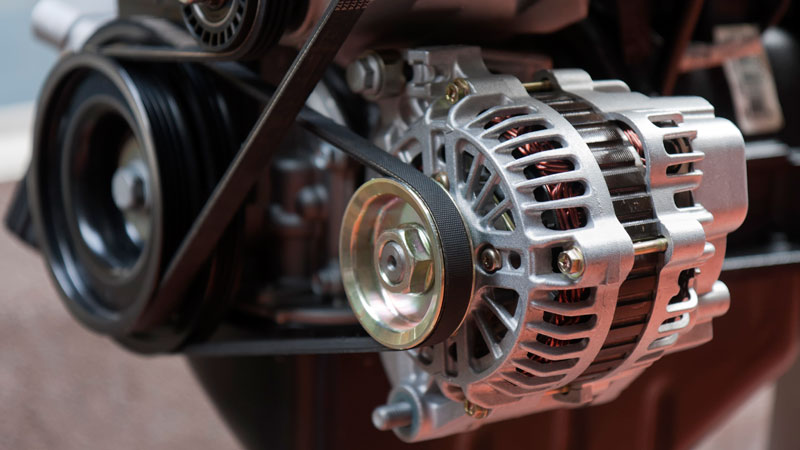
Every driver in Uganda knows that the reliability of your vehicle is paramount, especially when navigating the bustling streets of Kampala or embarking on a long trip upcountry. One small but critical component that keeps your car running is the alternator belt (often part of the serpentine belt system). When this belt loses its grip, your car’s electrical and cooling systems can quickly spiral into failure.
In this guide, we explore the most common loose alternator belt symptoms and provide actionable advice to keep you on the road safely.
1. High-Pitched Squealing or Chirping
The most “classic” sign of a loose belt is a loud, high-pitched squeal coming from the engine bay. This usually happens right after you start the car or when you accelerate.
Because the belt is loose, it slips against the metal pulleys instead of gripping them. The friction creates that unmistakable “screech.” You might notice it more on cold mornings or after driving through a deep puddle during the rainy season. If the noise persists, it’s time to check the tension.
2. Dimming or Flickering Headlights
The alternator’s job is to generate electricity to power your lights and charge the battery. If the belt is slipping, the alternator won’t spin at the required speed to produce consistent voltage.
You may notice your headlights dimming when you idle at a traffic light or flickering when you turn on the radio or air conditioning. To ensure your vehicle is equipped to handle these electrical demands, it’s wise to stay updated with car care guides on automag.ug.
3. The Battery Warning Light
If your dashboard suddenly shows a red battery icon while you are driving, don’t assume the battery is dead. Frequently, this light triggers because the alternator isn’t sending enough “juice” to the system due to a loose or slipping belt.
Ignoring this light can lead to a stalled vehicle in the middle of a busy highway. If you’re looking for a replacement vehicle that is known for robust electrical systems, you can check out auto24.ug to find reliable second-hand cars like the Toyota Rav4 or Subaru Forester that are well-suited for Ugandan roads.
4. Heavy or “Jerky” Steering
In many modern cars, the same belt that turns the alternator also powers the power steering pump. If the belt is loose and begins to slip, you might feel the steering wheel suddenly become very heavy or “stiff” during a turn. This is not just a maintenance issue; it’s a safety hazard that requires immediate attention.
5. Engine Overheating
On some engine designs, the alternator belt also drives the water pump, which circulates coolant to keep the engine from melting down. A loose belt might slip enough that the water pump fails to move enough fluid. If you see your temperature gauge rising into the red zone, pull over immediately.
For those looking to move away from these mechanical complexities, EV24.africa offers import options for electric cars, expanding choices in sustainable mobility where traditional belt issues are a thing of the past.
Practical Car Care Tips: How to Check Your Belt
Keeping your car in top shape doesn’t always require a trip to the mechanic. Here is how you can inspect your belt:
- The “Thumb Test”: With the engine off and cool, press down on the longest span of the belt. It should not deflect more than half an inch (about 1.25 cm). If it moves more, it’s too loose.
- Visual Inspection: Look for “glazing” (a shiny, burnt appearance on the sides) or small cracks. If you see these, the belt has been slipping for a while and needs replacement.
- Professional Advice: For more detailed reviews on which car models have the most durable belt systems, visit carkibanda.com for expert insights and a platform to purchase your next vehicle.
- Read more here: Discover additional tips on engine maintenance and belt care.
Summary Table: Symptoms at a Glance
| Symptom | Primary Cause | Severity |
| Squealing Noise | Friction from belt slippage | Moderate (Check soon) |
| Dim Lights | Low alternator output | High (Battery may drain) |
| Heavy Steering | Power steering pump losing power | Critical (Safety risk) |
| Battery Light | Charging system failure | High |
Conclusion
A loose alternator belt is a small problem that can lead to expensive repairs if ignored. By staying alert to noises and dashboard warnings, you can save yourself from being stranded. Whether you are driving a rugged SUV or a city hatchback, regular belt inspections should be a part of your monthly routine.
Diagnosing a Loose or Stuck Belt Tensioner