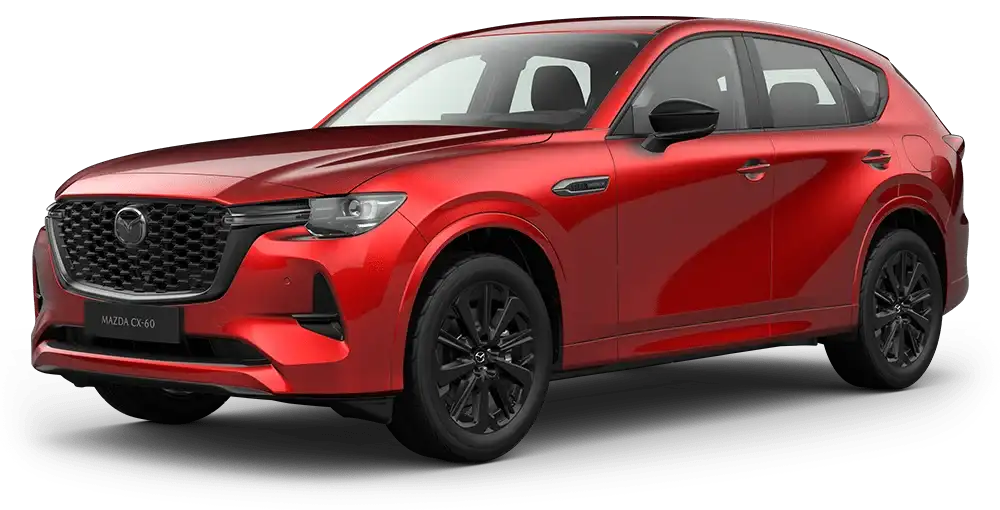
The Mazda CX-60 emerges as a standout premium mid-size SUV, combining Japanese engineering excellence with luxury appeal that’s increasingly relevant for Ugandan drivers navigating everything from Kampala’s bustling streets to the rugged routes toward national parks like Queen Elizabeth. Launched in 2022, it challenges European rivals with its rear-wheel-drive-based platform and innovative powertrains, offering a compelling option amid Uganda’s growing demand for efficient, versatile vehicles that handle poor roads and high fuel costs effectively. This review dives deep into its capabilities, tailored for local conditions where reliability and value matter most.
Detailed Model Specifications
Make, Model, and Variants
The Mazda CX-60 belongs to the brand’s premium lineup, sitting above the popular CX-5 as a mid-size crossover SUV built on a new rear-biased architecture emphasizing driving dynamics. Available trims include Exclusive-Line, Homura, and Takumi, with powertrain choices like the 3.3L inline-six diesel mild-hybrid (231hp/450Nm or 251hp/550Nm), a 3.3L petrol mild-hybrid (284hp/450Nm), and a plug-in hybrid (PHEV) blending a 2.5L petrol engine with an electric motor for 323hp and up to 76km electric-only range. All variants come standard with all-wheel drive (AWD), ideal for Uganda’s variable weather and unpaved roads.
Price Range in Uganda Context
New CX-60 models imported to East Africa typically range from UGX 200-350 million, varying by trim, engine, and importer duties—diesel variants often start lower due to better local fuel compatibility. Used 2023-2025 models from Japan via parallel imports appear around UGX 140-250 million, with Kenyan listings mirroring this at KSh 8-12 million (roughly UGX 220-330 million). Factor in Uganda Revenue Authority levies, which can add 25-40% on CBU imports, making pre-owned options from sites like
attractive for budget-conscious buyers scouting low-mileage units with verified histories.
Practical tip: When importing, insist on a pre-shipment inspection (PSI) certificate and budget UGX 5-10 million for initial registration, insurance, and underbody protection against red soils common in eastern Uganda.
Comprehensive Key Features Breakdown
The CX-60’s 3.3L inline-six engines mark Mazda’s return to this configuration, delivering smooth, turbine-like power with 48V mild-hybrid assistance for seamless stop-start and torque fill. Diesel efficiency shines at 5.0-6.5L/100km combined, crucial for Uganda’s diesel at UGX 5,500-6,000 per liter, while the PHEV suits urbanites with home charging for electric commutes. Chassis-wise, its double-wishbone front and multi-link rear suspension, plus adaptive dampers on top trims, provide composed handling over speed bumps and gravel.
Inside, the cabin rivals luxury brands: Nappa leather seats with heating/ventilation, a 12.3-inch driver display, 10.25-inch infotainment with wireless Apple CarPlay/Android Auto, Bose 12-speaker audio, and tri-zone climate control accommodate five passengers comfortably. Boot space offers 570L expanding to 1,799L, with roof rails for extra gear on safaris. Safety tech includes adaptive cruise, lane-keep assist, blind-spot monitoring, and a five-star Euro NCAP rating, vital for high-risk Ugandan highways.
Maintenance tip: Use 5W-30 synthetic oil for the diesel engine, changed every 10,000km or annually, and inspect the hybrid battery cooling system quarterly to prevent efficiency drops in dusty conditions—local Mazda service centers in Kampala stock genuine parts.
Optimal Use Cases for Ugandan Drivers
Families will love the CX-60 for weekend getaways, such as Kampala to Jinja or Fort Portal, where its 2,000kg+ towing capacity hauls trailers or boats effortlessly, and AWD grips rain-slicked tarmac. Urban professionals benefit from its 4.7m length maneuvering tight spaces, with parking sensors easing Entebbe Road congestion. For light off-roading to Lake Mburo, 175mm ground clearance and torque-vectoring AWD handle ruts better than softer crossovers, though it’s no hardcore 4×4.
Executives on business runs to Gulu or Soroti appreciate the quiet cabin and highway stability at 120km/h, with fuel stops every 800-900km on diesel models. PHEV owners near power grids can slash costs by 50% on short trips, aligning with Uganda’s green mobility push.
Balanced Pros and Cons Analysis
| Aspect | Pros | Cons |
| Performance | Inline-six torque (550Nm) excels in overtakes; AWD for wet/slippery roads | Firmer ride amplifies potholes; PHEV weight (2,200kg) dulls agility |
| Fuel Economy | Diesel 5L/100km; PHEV 1.5L/100km with charging | Petrol thirstier at 8L/100km unloaded; limited charging infrastructure |
| Interior/Comfort | Premium materials, supportive seats, advanced tech even in mid-trims | Rear space tight for three adults; infotainment menus occasionally lag |
| Reliability/Safety | Strong build, 5-star safety, Mazda’s rep for longevity | Early models had minor hybrid glitches; 3-yr/100,000km warranty shorter |
| Ownership Costs | Competitive servicing (UGX 1-2M/year); high resale in East Africa | High import taxes inflate entry price; parts wait times outside Kampala |
Strategic Recommendations and Conclusion
For Uganda’s mix of tarmac tears and dirt detours, prioritize the diesel CX-60 Exclusive-Line for value—its efficiency and power suit daily duties without premium excess. Test drive at importers like those featured on automag.ug, which offers the latest on service networks and driving guides for local enthusiasts. Avoid base trims if comfort matters; upgrade for adaptive suspension.
Ultimately, the CX-60 elevates daily driving with sophistication rarely found at its price, rewarding careful owners with low running costs and joy behind the wheel. Cross-check used deals on auto24.ug for models under 50,000km, and read more on East African imports here. Pair it with routine undercarriage washes to combat corrosion from humid climates.