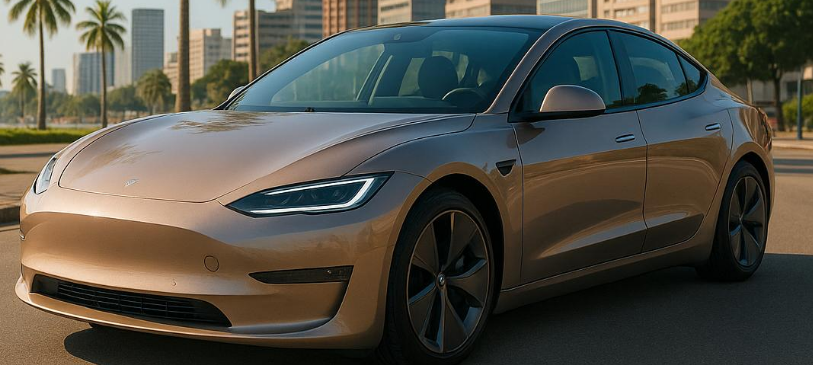
The shift to electric vehicles (EVs) is gaining momentum globally, and Kampala is no exception. With high and unpredictable petrol prices, many Ugandans are looking at electric cars as a way to save money and reduce their carbon footprint. However, switching to an EV is more than just swapping a petrol tank for a battery. It involves a different financial structure, with a higher initial price tag but significantly lower running costs. For the smart buyer in Kampala, understanding these “hidden” costs and long-term savings is the key to a successful transition.
Section 1: The Hidden Costs (The Upfront Investment)
While the promise of “fuel freedom” is exciting, the initial investment for an EV in Uganda is the highest hurdle. This is where most of the “hidden costs” are found.
1. High Purchase Price and Import Duties
The sticker price for a new EV is generally higher than a comparable petrol car. Furthermore, while the Ugandan government has offered incentives, import duties remain a significant factor for many models.
- Import Duty (The Big Tax): Since July 2024, the government re-introduced a 25% import duty on fully electric vehicles. For a popular imported model like a used Nissan Leaf, this single tax can add millions of shillings to the final landing cost in Mombasa before it even reaches Kampala.
- Logistics and Freight: The cost of shipping an EV from Asia or Europe, clearing it at the Port of Mombasa, and transporting it to Kampala (inland freight) is substantial and is usually paid upfront.
- Local Assembly Advantage: The one major exception is locally assembled vehicles, like those from Kiira Motors, which are often exempt from VAT and other duties, which makes their upfront cost more competitive.
2. Home Charging Installation
The convenience of “fueling” at home is a major selling point, but setting up this convenience requires an initial outlay.
- The Hardware: A Level 2 home charger, which is necessary for a reasonably quick overnight charge, can cost around $400 to over $1,000 for the unit itself.
- The Installation: You will need a certified electrician to install a dedicated, robust circuit to handle the power load. Depending on your home’s electrical system and the distance from the main panel to your parking spot, installation costs can add a significant amount.
3. The “Hidden” Battery Cost (Replacement and Degradation)
While EV batteries are designed to last 8-15 years, their eventual replacement represents a major expense that a petrol car owner never faces.
- Replacement Price: Replacing a full battery pack is a substantial investment, often costing $5,000 to $20,000 (UGX 18.5 million to UGX 74 million), depending on the vehicle model. This is an unavoidable cost that must be factored into the 8-to-15-year total cost of ownership.
- Loss of Range: Over time, the battery capacity degrades, which means a used EV will have less range than a new one. This degradation affects the resale value of older EVs.
4. Range Anxiety and Charging Infrastructure
A non-monetary, but significant, hurdle for Kampala drivers is the limited availability of public charging, especially when traveling long distances outside the city.
- Limited Public Network: While the first public charging stations are beginning to open in Kampala (the first one opened in May 2025), the network is still sparse. This forces nearly all owners to rely on home charging.
- The Logistical Cost: For inter-city travel (e.g., to Jinja or Mbale), the lack of reliable public fast chargers means trips require more logistical planning than simply pulling into a petrol station, creating “range anxiety” for long-haul drivers.
Section 2: The Savings (The Long-Term Rewards)
Once you are past the initial purchase and setup, the monthly and yearly savings begin to kick in, creating a compelling long-term financial case for the EV.
1. The Fuel Freedom: Immediate and Dramatic Savings
This is the most obvious and largest saving for EV owners in Kampala, as electricity is a far cheaper “fuel” than petrol.
- Home Charging Cost: Uganda’s electricity is among the most affordable in East Africa. Charging an EV battery for a 300 km trip costs an estimated UGX 15,000 – UGX 20,000.
- Petrol Cost Comparison: Covering the same 300 km distance in a typical petrol car would cost an estimated UGX 100,000 – UGX 200,000.
- The Difference: This means an EV is 5 to 10 times cheaper to run per kilometre than a petrol car, offering immediate and dramatic savings for daily commuters and ride-hailing drivers.
2. Significantly Lower Maintenance Costs
An EV is mechanically simpler than a traditional car. It has about 20 moving parts in its drivetrain, compared to over 2,000 in a petrol engine.
- No Engine Maintenance: Say goodbye to the grime and cost of oil changes, spark plug replacements, fuel filter servicing, and radiator flushes. This eliminates thousands of shillings in routine servicing costs.
- Longer-Lasting Brakes: EVs use regenerative braking, which slows the car by reversing the motor, putting far less strain on the traditional brake pads and discs. This can extend the life of your brakes by two or three times, drastically cutting repair costs.
- Estimated Savings: Studies globally estimate that EV maintenance costs are 40% to 60% lower over the vehicle’s lifespan compared to a petrol equivalent.
3. Indirect Financial and Environmental Perks
- Using Kampala’s Green Energy: Since over 90% of Uganda’s electricity comes from renewable hydro and thermal sources, charging an EV is using local, clean energy. This reduces the country’s dependency on imported fossil fuels, stabilizing the local economy—a benefit that trickles down to all citizens.
- Potential for Solar: For homeowners, coupling an EV charger with a solar panel setup can offer the ultimate energy independence, nearly eliminating both charging costs and utility bills, making the total running cost almost zero.
Conclusion: The Total Cost of Ownership (TCO)
For a prospective EV owner in Kampala, the question is not if you will save money, but when the savings will offset the initial costs.
The decision hinges on your driving habits and your willingness to invest upfront.
| Scenario | Upfront Cost | Running Cost (Per Month) | Payback Time |
| Petrol Car | Low | Very High | N/A |
| EV (Urban Commuter) | High | Low | 4-6 Years |
| EV (Taxi/Ride-Hail Driver) | High | Very Low | 2-3 Years |
Note: Payback Time is the estimated period required for the cumulative fuel and maintenance savings to offset the higher initial purchase price and charger installation cost, based on an average daily commute of 50km.
While the initial price and the cost of the home charger are significant hurdles, the ongoing savings in fuel and maintenance costs offer a compelling financial return. For the Kampala driver who covers significant daily distances, an EV quickly moves from an expensive luxury to a smart, long-term investment.